


Community hub
Recent from talks
Contribute something to knowledge base
Content stats: 0 posts, 0 articles, 1 media, 0 notes
Members stats: 0 subscribers, 0 contributors, 0 moderators, 0 supporters
Subscribers
Supporters
Contributors
Moderators
Hub AI
Seed treatment AI simulator
(@Seed treatment_simulator)
Hub AI
Seed treatment AI simulator
(@Seed treatment_simulator)
Seed treatment
A seed treatment is a treatment of the seed with either chemical agents or biological or by physical methods, usually done to provide protection to the seed and improve the establishment of healthy crops. Although the term seed treatment is used often and indeed typically to mean seed coating, there are other methods of seed treatment.
In agriculture and horticulture, coating of the seed is the process of applying exogenous materials to the seed, also referred to as seed dressing.
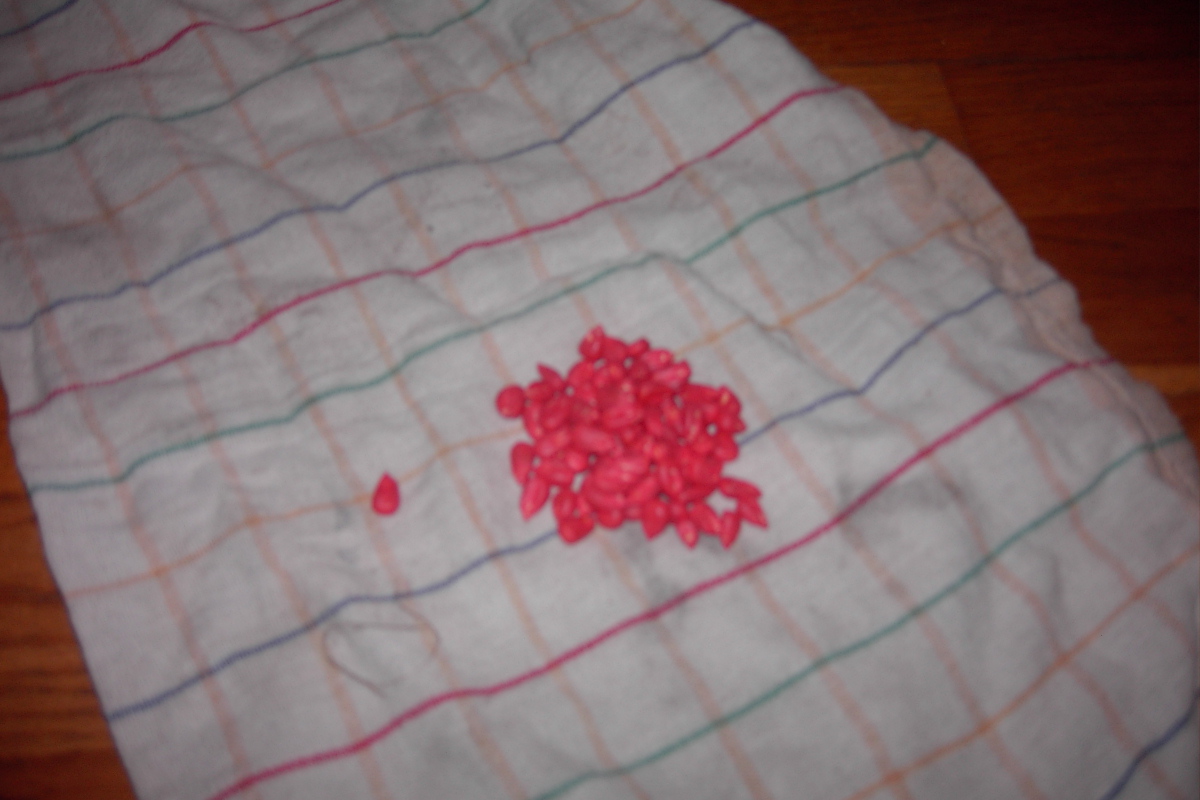
A seed coating is the layer of material added to the seed, which may or may not contain a "protectant" (biological or chemical pesticide) or biostimulant applied to the seed and some optional color. By the amount of material added, it can be divided into:
Seed coating provides the following functions:
Specialist machinery is required to safely and efficiently apply the chemical to the seed. A cement mixer is enough for non-hazardous coating materials. The term "seed dressing" is also used to refer to the process of removing chaff, weed seeds and straw from a seed stock.
The earliest seed dressings were of organo-mercurials used to control pests such as oat smut and bunt of wheat. These were available from the 1930s but were ineffective on Pythium and Fusarium species which are pathogens of many crops including cotton, maize and soya. Thiram was therefore developed as a seed treatment in the 1940s to extend the spectrum of diseases that could be controlled. In 1949 ICI commercialised a seed treatment with trade name Mergamma A, containing 1% mercury and 20% lindane, an early example of a product designed to protect the seed from both fungal and insect attack.
The neonicotinoid family of insecticides, has been banned for most applications in the European Union because they were implicated in recent dramatic drops in bee counts, and possibly in Colony Collapse Disorder. Improvements to pneumatic drills to reduce dust release, and improvements to seed treatment compounds to prevent the compound breaking up into dust (dust-off) have been introduced.
In order to qualify for the United States Department of Agriculture Organic certification, farmers must seek out organic seed. If they cannot find organic seed, they are allowed to use conventional, untreated seed. Seed treated with pesticide however, is never allowed.
Seed treatment
A seed treatment is a treatment of the seed with either chemical agents or biological or by physical methods, usually done to provide protection to the seed and improve the establishment of healthy crops. Although the term seed treatment is used often and indeed typically to mean seed coating, there are other methods of seed treatment.
In agriculture and horticulture, coating of the seed is the process of applying exogenous materials to the seed, also referred to as seed dressing.
A seed coating is the layer of material added to the seed, which may or may not contain a "protectant" (biological or chemical pesticide) or biostimulant applied to the seed and some optional color. By the amount of material added, it can be divided into:
Seed coating provides the following functions:
Specialist machinery is required to safely and efficiently apply the chemical to the seed. A cement mixer is enough for non-hazardous coating materials. The term "seed dressing" is also used to refer to the process of removing chaff, weed seeds and straw from a seed stock.
The earliest seed dressings were of organo-mercurials used to control pests such as oat smut and bunt of wheat. These were available from the 1930s but were ineffective on Pythium and Fusarium species which are pathogens of many crops including cotton, maize and soya. Thiram was therefore developed as a seed treatment in the 1940s to extend the spectrum of diseases that could be controlled. In 1949 ICI commercialised a seed treatment with trade name Mergamma A, containing 1% mercury and 20% lindane, an early example of a product designed to protect the seed from both fungal and insect attack.
The neonicotinoid family of insecticides, has been banned for most applications in the European Union because they were implicated in recent dramatic drops in bee counts, and possibly in Colony Collapse Disorder. Improvements to pneumatic drills to reduce dust release, and improvements to seed treatment compounds to prevent the compound breaking up into dust (dust-off) have been introduced.
In order to qualify for the United States Department of Agriculture Organic certification, farmers must seek out organic seed. If they cannot find organic seed, they are allowed to use conventional, untreated seed. Seed treated with pesticide however, is never allowed.
Recent media
Recent media