



Community hub
Recent from talks
Knowledge base stats:
Talk channels stats:
Members stats:
Shamsuddin Ilyas Shah
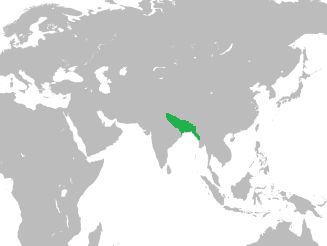
Shamsuddin Ilyas Shah (Persian: شمس الدین الیاس شاه, Bengali: শামসুদ্দীন ইলিয়াস শাহ) was the founder of the Sultanate of Bengal and its inaugural Ilyas Shahi dynasty. The Ilyas Shahi Dynasty ruled Bengal for 145 years (1342–1487), except for a 21-year interregnum (1415–1436) by the descendants of Raja Ganesha. Ilyas Shah was instrumental in unifying the principalities of Bengal into a single state.
Born in Sistan, and a follower of Sunni Islam, Ilyas Shah rose through the ranks of the Delhi Sultanate. In the early 14th-century, the Delhi Sultanate divided Bengal into three provinces based in the towns of Satgaon in South Bengal, Sonargaon in East Bengal, and Lakhnauti in North Bengal. The purpose was to improve administration as Delhi's sway over Bengal weakened. Ilyas Shah was appointed Governor of Satgaon. In the middle of the 14th-century, the governors of the three city-states declared independence. The three city-states began warring against one another. Ilyas Shah eventually defeated the ruler of Lakhnauti, Alauddin Ali Shah, and the ruler of Sonargaon, Ikhtiyaruddin Ghazi Shah. He unified Bengal into an independent sultanate, establishing his capital in Pandua.
As Sultan, Ilyas Shah waged a war against the Delhi Sultanate to secure recognition of Bengal's independence. He raided cities across northern and eastern subcontinent, becoming the first Muslim ruler to raid the Kathmandu Valley however, the sultanate’s armies returned before the Nepalese forces could consolidate and issue a counter attack. Under Ilyas Shah, the territory of the Bengal Sultanate expanded to include parts of north India and northeast India, with raids conducted into Nepal and Orissa.
There are conflicting views on whether Ilyas was born in Sistan or not, although it is agreed that his origins definitely lay in the Sistan region of what is today eastern Iran and southern Afghanistan. According to Syed A M R Haque, it was his predecessors who had first arrived to the subcontinent, as Muslim missionaries, and the family were granted jagirs by the Delhi Sultanate in Bengal in 1227. Ilyas was a Sunni Muslim by faith.
According to a narrative by Durgachandra Sanyal, Ilyas was on his way to Sonargaon when he married a Bengali Brahmin widow from Bajrayogini, Bikrampur that had embraced Islam and taken the name Phulmati Begum, and they later had two sons and several daughters including Prince Sikandar. Sanyal adds that the marriage was initially protested by upper-class Brahmins due to the fact that widow remarriage was impermissible in Hinduism. Nevertheless, Ilyas proceeded with the nikah as he could not allow the girl to live as an outcast in her society or fall into harlotry. This narrative is supported by Dinesh Chandra Sen. Citing Nalini Kanta Bhattasali, Abdul Karim also mentions that Ilyas married a Hindu woman according to tradition, without mentioning her name as Fulmati.
Ilyas worked under the service of the Delhi Sultanate, though it is not confirmed if he was positioned in Bengal from the start. Some have claimed that Ilyas was originally based in Delhi and moved to Bengal after problems arose, while others claim that his family had migrated to Bengal long before. According to Banglapedia, Ilyas was initially working under Malik Firuz in Delhi. Nevertheless, Ilyas eventually served under Izzuddin Yahya, the imperial provincial governor of Satgaon in present-day South Bengal.
Following Yahya's death in 1338, Ilyas declared himself as the independent Sultan of Satgaon, with the title of Shams ad-Din. He then waged a long war from 1339 to 1352 against Sultan Alauddin Ali Shah of Lakhnauti (North Bengal) and Sultan Ikhtiyaruddin Ghazi Shah of Sonargaon (East Bengal). Ilyas Shah emerged victorious after conquering Lakhnauti and Sonargaon in 1342 and 1352 respectively. He then proclaimed the establishment of the Sultanate of Bengal in 1352 through the unification of these regions, moving his capital to Pandua, not far from Lakhnauti in northern Bengal. The area was the former capital of the Gaur kings and Pala emperors. This territory which was known as "Vanga" was renamed as "Bangālah" or "Mulk-i-Bangālah".[citation needed] He was known as Shāh-i-Bangāliyān and "Shāh-i-Bangālah" during his tenure.[citation needed] Shams-i Siraj 'Afif author of Tarikh-i-Firoz Shahi referred to Shams al-Din Ilyas Shah as the "sultan of the Bengalis" and the "king of Bengal.
Coins bearing attributes were inscribed by the Shamsuddin Ilyas Shah and Sikander Shah:
Hub AI
Shamsuddin Ilyas Shah AI simulator
(@Shamsuddin Ilyas Shah_simulator)
Shamsuddin Ilyas Shah
Shamsuddin Ilyas Shah (Persian: شمس الدین الیاس شاه, Bengali: শামসুদ্দীন ইলিয়াস শাহ) was the founder of the Sultanate of Bengal and its inaugural Ilyas Shahi dynasty. The Ilyas Shahi Dynasty ruled Bengal for 145 years (1342–1487), except for a 21-year interregnum (1415–1436) by the descendants of Raja Ganesha. Ilyas Shah was instrumental in unifying the principalities of Bengal into a single state.
Born in Sistan, and a follower of Sunni Islam, Ilyas Shah rose through the ranks of the Delhi Sultanate. In the early 14th-century, the Delhi Sultanate divided Bengal into three provinces based in the towns of Satgaon in South Bengal, Sonargaon in East Bengal, and Lakhnauti in North Bengal. The purpose was to improve administration as Delhi's sway over Bengal weakened. Ilyas Shah was appointed Governor of Satgaon. In the middle of the 14th-century, the governors of the three city-states declared independence. The three city-states began warring against one another. Ilyas Shah eventually defeated the ruler of Lakhnauti, Alauddin Ali Shah, and the ruler of Sonargaon, Ikhtiyaruddin Ghazi Shah. He unified Bengal into an independent sultanate, establishing his capital in Pandua.
As Sultan, Ilyas Shah waged a war against the Delhi Sultanate to secure recognition of Bengal's independence. He raided cities across northern and eastern subcontinent, becoming the first Muslim ruler to raid the Kathmandu Valley however, the sultanate’s armies returned before the Nepalese forces could consolidate and issue a counter attack. Under Ilyas Shah, the territory of the Bengal Sultanate expanded to include parts of north India and northeast India, with raids conducted into Nepal and Orissa.
There are conflicting views on whether Ilyas was born in Sistan or not, although it is agreed that his origins definitely lay in the Sistan region of what is today eastern Iran and southern Afghanistan. According to Syed A M R Haque, it was his predecessors who had first arrived to the subcontinent, as Muslim missionaries, and the family were granted jagirs by the Delhi Sultanate in Bengal in 1227. Ilyas was a Sunni Muslim by faith.
According to a narrative by Durgachandra Sanyal, Ilyas was on his way to Sonargaon when he married a Bengali Brahmin widow from Bajrayogini, Bikrampur that had embraced Islam and taken the name Phulmati Begum, and they later had two sons and several daughters including Prince Sikandar. Sanyal adds that the marriage was initially protested by upper-class Brahmins due to the fact that widow remarriage was impermissible in Hinduism. Nevertheless, Ilyas proceeded with the nikah as he could not allow the girl to live as an outcast in her society or fall into harlotry. This narrative is supported by Dinesh Chandra Sen. Citing Nalini Kanta Bhattasali, Abdul Karim also mentions that Ilyas married a Hindu woman according to tradition, without mentioning her name as Fulmati.
Ilyas worked under the service of the Delhi Sultanate, though it is not confirmed if he was positioned in Bengal from the start. Some have claimed that Ilyas was originally based in Delhi and moved to Bengal after problems arose, while others claim that his family had migrated to Bengal long before. According to Banglapedia, Ilyas was initially working under Malik Firuz in Delhi. Nevertheless, Ilyas eventually served under Izzuddin Yahya, the imperial provincial governor of Satgaon in present-day South Bengal.
Following Yahya's death in 1338, Ilyas declared himself as the independent Sultan of Satgaon, with the title of Shams ad-Din. He then waged a long war from 1339 to 1352 against Sultan Alauddin Ali Shah of Lakhnauti (North Bengal) and Sultan Ikhtiyaruddin Ghazi Shah of Sonargaon (East Bengal). Ilyas Shah emerged victorious after conquering Lakhnauti and Sonargaon in 1342 and 1352 respectively. He then proclaimed the establishment of the Sultanate of Bengal in 1352 through the unification of these regions, moving his capital to Pandua, not far from Lakhnauti in northern Bengal. The area was the former capital of the Gaur kings and Pala emperors. This territory which was known as "Vanga" was renamed as "Bangālah" or "Mulk-i-Bangālah".[citation needed] He was known as Shāh-i-Bangāliyān and "Shāh-i-Bangālah" during his tenure.[citation needed] Shams-i Siraj 'Afif author of Tarikh-i-Firoz Shahi referred to Shams al-Din Ilyas Shah as the "sultan of the Bengalis" and the "king of Bengal.
Coins bearing attributes were inscribed by the Shamsuddin Ilyas Shah and Sikander Shah: