Hubbry Logo
ShewanellaShewanellaMain
Open search
Shewanella
Community hub
Shewanella
logo
8 pages, 0 posts
0 subscribers
Be the first to start a discussion here.
Shewanella
Shewanella
from Wikipedia

Shewanella
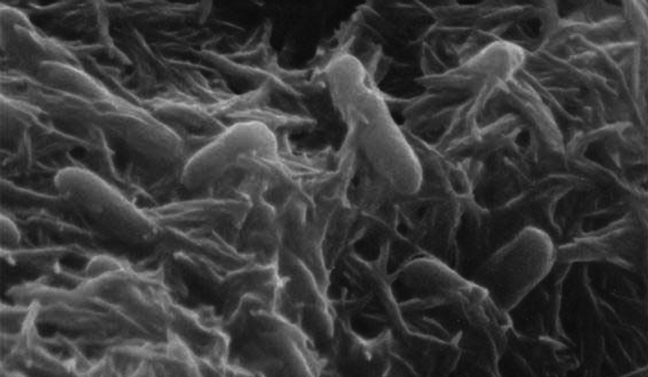
Shewanella oneidensis
Scientific classification Edit this classification
Domain: Bacteria
Kingdom: Pseudomonadati
Phylum: Pseudomonadota
Class: Gammaproteobacteria
Order: Alteromonadales
Family: Shewanellaceae
Ivanova et al. 2004
Genus: Shewanella
MacDonell and Colwell 1985
Type species
Shewanella putrefaciens
Species

Shewanella is the sole genus included in the marine bacteria family Shewanellaceae. Some species within it were formerly classed as Alteromonas. Shewanella consists of facultatively anaerobic Gram-negative rods, most of which are found in extreme aquatic habitats where the temperature is very low and the pressure is very high.[2] Shewanella bacteria are a normal component of the surface flora of fish and are implicated in fish spoilage.[3] Shewanella chilikensis is a species of the genus Shewanella commonly found in the marine sponges of Saint Martin's Island of the Bay of Bengal, Bangladesh.[4]

Shewanella oneidensis MR-1 is a widely used laboratory model to study anaerobic respiration of metals and other anaerobic extracellular electron acceptors, and for teaching about microbial electrogenesis and microbial fuel cells.[5]

Biochemical characteristics of Shewanella species

[edit]

Colony, morphological, physiological, and biochemical characteristics of Shewanella species are shown in the Table below.[4]

Test type Test Characteristics
Colony characters Size Small, Medium
Type Round
Color Brownish, Pinkish
Shape Convex
Morphological characters Shape Rod
Physiological characters Motility +
Growth at 6.5% NaCl +
Biochemical characters Gram's staining
Oxidase +
Catalase +
Oxidative-Fermentative Fermentative
Motility +
Methyl Red
Voges-Proskauer
Indole
H2S Production +
Urease +
Nitrate reductase
β-Galactosidase +
Hydrolysis of Gelatin
Aesculin +
Casein +
Tween 40 +
Tween 60 +
Tween 80 +
Acid production from Glycerol
Galactose
D-Glucose +
D-Fructose +
D-Mannose +
Mannitol +
N-Acetylglucosamine +
Amygdalin +
Maltose +
D-Melibiose +
D-Trehalose +
Glycogen +
D-Turanose +

Note: + = Positive; – =Negative

Metabolism

[edit]

Currently known Shewanella species are heterotrophic facultative anaerobes.[6] In the absence of oxygen, members of this genus possess capabilities allowing the use of a variety of other electron acceptors for respiration. These include thiosulfate, sulfite, or elemental sulfur,[7] as well as fumarate.[8] Marine species have demonstrated an ability to use arsenic as an electron acceptor as well.[9] Some members of this species, most notably Shewanella oneidensis, have the ability to respire through a wide range of metal species, including manganese, chromium, uranium, and iron.[10] Reduction of iron and manganese through Shewanella respiration has been shown to involve extracellular electron transfer through the employment of bacterial nanowires, extensions of the outer membrane.[11]

Applications

[edit]

The discovery of some of the respiratory capabilities possessed by members of this genus has opened the door to possible applications for these bacteria. The metal-reducing capabilities can potentially be applied to bioremediation of uranium-contaminated groundwater,[12] with the reduced form of uranium produced being easier to remove from water than the more soluble uranium oxide. Scientists researching the creation of microbial fuel cells, designs that use bacteria to induce a current, have also made use of the metal reducing capabilities some species of Shewanella possess as a part of their metabolic repertoire.[13]

Significance

[edit]

One of the roles that the genus Shewanella has in the environment is bioremediation.[14] Shewanella species have great metabolic versatility; they can reduce various electron acceptors.[2] Some of the electron acceptors they use are toxic substances and heavy metals, which often become less toxic after being reduced.[14] Examples of metals that Shewanella are capable of reducing and degrading include uranium, chromium, and iron.[15] Its ability to decrease toxicity of various substances makes Shewanella a useful tool for bioremediation. Specifically, Shewanella oneidensis strain MR-1 is often used to clean up contaminated nuclear weapon manufacturing sites.[15]

Shewanella also contributes to the biogeochemical circulation of minerals.[2] Members of this genus are widely distributed in aquatic habitats, from the deep sea to the shallow Antarctic Ocean.[14] Its diverse habitats, coupled to its ability to reduce a variety of metals, makes the genus critical for the cycling of minerals.[2] For instance, under aerobic conditions, various species of Shewanella are capable of oxidizing manganese.[16] When conditions are changed, the same species can reduce the manganese oxide products.[16] Hence, since Shewanella can both oxidize and reduce manganese, it is critical to the cycling of manganese.[16]

See also

[edit]

References

[edit]
[edit]
Revisions and contributorsEdit on WikipediaRead on Wikipedia
from Grokipedia
Shewanella is a genus of Gram-negative, rod-shaped, facultative anaerobic bacteria in the family Shewanellaceae of the class Gammaproteobacteria, comprising 101 validly published species as of 2025. These motile microorganisms, typically featuring a single polar flagellum, are renowned for their extraordinary respiratory versatility, allowing them to utilize a broad spectrum of electron acceptors—including oxygen, nitrate, nitrite, metals such as iron(III) and manganese(IV), sulfur compounds, and even electrodes in microbial fuel cells—under anaerobic conditions. The type species is Shewanella putrefaciens, originally described in 1931 and formally named in 1985 in honor of fisheries microbiologist James M. Shewan. Shewanella species are ubiquitous in aquatic habitats worldwide, thriving in marine sediments, freshwater systems, deep-sea vents, polar regions, and as part of the microbiota in fish, shellfish, and other aquatic organisms. They exhibit remarkable adaptability to environmental stresses, including low temperatures, high salinity, and pressure, with some species classified as psychrophilic or piezotolerant. Genomes of Shewanella typically range from 3 to 5 megabase pairs with a GC content around 40-50%, encoding genes for biofilm formation, quorum sensing, and siderophore production that facilitate survival and nutrient acquisition in diverse niches. Beyond their ecological roles in biogeochemical cycling—particularly the reduction of metals and organics, which influences carbon, nitrogen, and sulfur transformations—Shewanella have significant biotechnological and medical implications. Species like Shewanella oneidensis serve as model organisms for studying extracellular electron transfer, enabling applications in bioremediation of contaminated sites (e.g., reducing uranium and chromium) and in microbial electrochemistry for energy production and wastewater treatment. Conversely, certain species, notably Shewanella algae and Shewanella putrefaciens, act as opportunistic pathogens, causing rare but increasing infections in humans, such as bacteremia and wound infections, often linked to marine exposure, while also contributing to food spoilage in seafood and meats through hydrogen sulfide production.

Taxonomy and Phylogeny

Classification and History

Shewanella belongs to the domain Bacteria, phylum Pseudomonadota, class Gammaproteobacteria, order Alteromonadales, family Shewanellaceae, and is the sole genus within this family. This taxonomic placement reflects its position among aerobic, marine, and facultatively anaerobic Gram-negative bacteria, distinguished by their environmental adaptability. The genus traces its origins to 1931, when Derby and Hammer isolated a bacterium from spoiled butter during investigations of dairy contamination in Canada, initially classifying it as Achromobacter putrefaciens based on its morphological and biochemical traits. This early description highlighted its role in food spoilage but lacked phylogenetic context. In 1985, MacDonell and Colwell reclassified several Alteromonas-like species, including A. putrefaciens, into the new genus Shewanella, using 5S rRNA oligonucleotide cataloging to establish phylogenetic relationships within the Vibrionaceae and related groups; this reclassification emphasized respiratory versatility as a key trait distinguishing the group. The name Shewanella honors James M. Shewan, a Scottish microbiologist renowned for his contributions to marine and fisheries microbiology. By 2025, 101 species have been validly published within the genus. Phylogenetically, Shewanella forms a distinct clade within the Alteromonadales, closely related to genera such as Alteromonas and Moritella, as evidenced by 16S rRNA gene sequence analyses showing sequence similarities often exceeding 93% at the family level. Key divergences in these studies highlight early branching from Vibrionaceae ancestors, with Shewanella species exhibiting >98.65% interspecies 16S rRNA similarity, underscoring the need for multilocus approaches to resolve finer relationships.

Species Diversity

The genus Shewanella encompasses 101 validly published species as of 2025. Prominent examples include Shewanella oneidensis, a model organism widely studied for its electron transfer capabilities in bioremediation and bioenergy applications; Shewanella putrefaciens, known for its role in fish spoilage through hydrogen sulfide production; and Shewanella algae, an opportunistic pathogen. Species within Shewanella exhibit diverse adaptations, with many being marine or halophilic, thriving in saline environments such as coastal waters and sediments, while others are freshwater-adapted, isolated from lakes and rivers. For instance, Shewanella chilikensis, recovered from brackish lagoon sediments, demonstrates moderate alkaliphily and facultative anaerobiosis suited to estuarine conditions. In contrast, deep-sea species like Shewanella eurypsychrophilus are psychrophilic and piezotolerant, enabling growth at low temperatures (optimum around 4–10°C) and elevated pressures up to 40 MPa, as found in abyssal sediments. Identification of Shewanella species typically relies on a polyphasic taxonomy approach, integrating phenotypic, chemotaxonomic, and genotypic data to resolve closely related strains. Core methods include 16S rRNA gene sequencing for phylogenetic placement (with similarity thresholds often below 98.7–99% indicating novel species), matrix-assisted laser desorption/ionization time-of-flight mass spectrometry (MALDI-TOF MS) for rapid proteomic fingerprinting in clinical and environmental settings, and biochemical tests such as API 20E or Biolog systems to assess carbon utilization, oxidase activity, and motility. Recent discoveries from 2020 to 2025 have further expanded the genus, particularly with psychrophilic and piezotolerant strains from extreme environments like polar seas and ocean trenches. Notable additions include Shewanella psychropiezotolerans and Shewanella eurypsychrophilus, both isolated from deep-sea sediments in the Southwest Indian Ocean and characterized by adaptations to hydrostatic pressures exceeding 20 MPa and temperatures near 4°C. These emerging species underscore the genus's resilience in underrepresented niches, often identified through whole-genome sequencing to complement traditional polyphasic analyses.

Morphology and Physiology

Cellular Structure

Shewanella species are Gram-negative bacteria characterized by a straight or curved rod-shaped morphology, typically measuring 0.5–0.8 μm in diameter and 0.7–2.0 μm in length. These cells exhibit motility typically through a single polar flagellum, which enables swimming in liquid environments and is essential for their dispersal and colonization capabilities. The flagellum is composed of glycosylated flagellins, such as FlaA and FlaB, contributing to the bacterium's ability to navigate towards favorable conditions. The outer membrane of Shewanella cells is a key structural feature, featuring lipopolysaccharides (LPS) that form the outer leaflet and provide a protective barrier against environmental stresses. This membrane also contains porins, including the hydrophobic OmpW protein, which facilitates the passive diffusion of small hydrophobic molecules and contributes to tolerance mechanisms under various conditions. Additionally, efflux pumps are embedded in the outer membrane, actively transporting substrates such as antibiotics out of the cell to maintain intracellular homeostasis. Shewanella species form biofilms on surfaces, a process mediated by exopolysaccharides (EPS) that create a matrix for cell adhesion and protection, along with type IV pili that promote initial attachment and microcolony formation. The regulation of biofilm development and detachment is primarily controlled by intracellular cyclic di-GMP levels, which modulate the transition between motile and sessile lifestyles by influencing EPS production and pilus activity. This dynamic regulation allows cells to balance attachment and dispersal in response to environmental cues. Electron microscopy observations have revealed nanowire-like filamentous structures extending from Shewanella cell surfaces, particularly in species like S. oneidensis MR-1, which serve as conduits for extracellular electron transfer. These appendages, composed of outer membrane extensions rich in multiheme cytochromes, enable direct electron conduction to external acceptors such as minerals, facilitating respiration under anaerobic conditions. The facultative anaerobic nature of Shewanella influences the expression and deployment of these structures during shifts between aerobic and anaerobic environments.

Growth and Biochemical Traits

Shewanella species are facultative anaerobes capable of growth under both aerobic and anaerobic conditions, with optimal temperatures typically ranging from 20 to 30°C across most species, though some exhibit psychrophilic or thermotolerant adaptations extending the range to 0–42°C. Growth is favored at neutral to slightly alkaline pH values of 7–8, with a broader tolerance from pH 5–10, and they are halotolerant, requiring Na⁺ ions for optimal development at 0.5–6% NaCl while enduring up to 10% salinity without significant inhibition. These bacteria are motile via polar flagella, a trait that supports their dispersal in aqueous environments, though detailed motility mechanisms are addressed in cellular structure descriptions. Biochemically, Shewanella strains are characteristically oxidase-positive, facilitating electron transport in aerobic respiration, while catalase activity is generally positive but variable among species, aiding in the detoxification of reactive oxygen species. They exhibit weak or oxidative metabolism with glucose, rarely fermenting it to produce acid without gas, and many species reduce thiosulfate to hydrogen sulfide (H₂S), a key diagnostic feature observable as black precipitates in triple sugar iron agar. Nutrient requirements include organic carbon and nitrogen sources, with many strains dependent on amino acids or peptides for growth; representative carbon substrates utilized include lactate and formate, which serve as electron donors in respiratory pathways. In laboratory identification, Shewanella often yields distinctive profiles on API 20E strips, such as positive indole production in species like S. putrefaciens and negative urease activity across the genus, aiding differentiation from related vibrios or pseudomonads. Antibiotic susceptibility testing reveals consistent sensitivity to chloramphenicol, typically at MIC values below 8 μg/mL, alongside resistance to β-lactams like ampicillin, underscoring their clinical management considerations.

Habitat and Ecology

Natural Distribution

Shewanella species are ubiquitous in aquatic environments, inhabiting marine sediments, freshwater systems such as lakes and rivers, and extreme settings like deep-sea hydrothermal vents. These bacteria have been isolated from diverse marine habitats, including the water column, intertidal zones, estuaries, and sediments across all ocean depths. In freshwater ecosystems, Shewanella exhibits notable diversity, often surpassing previous estimates, with distinct distribution patterns compared to marine counterparts. Additionally, isolates have been recovered from oilfield wastewater and oil-polluted soils, highlighting their presence in contaminated terrestrial-aquatic interfaces. The genus displays a global geographic distribution, with representatives found in every ocean. Specific examples include isolates from Arctic Ocean sediments, Antarctic coastal areas, and Pacific Ocean sites such as the Nankai Trough and South China Sea. This widespread occurrence is influenced by the genus's adaptation to varied environmental conditions. Isolation of Shewanella commonly occurs from fish intestines, such as those of mackerel, and from wastewater treatment plant-influenced waters. These bacteria are particularly abundant in anoxic zones, including deep-sea sediments and oxygen-depleted freshwater layers. Recent investigations as of 2025 have detected Shewanella in bacterial communities of permafrost soils, including in Antarctic regions experiencing active layer thickening due to climate change.

Ecological Roles

Shewanella species play pivotal roles in nutrient cycling within aquatic and sedimentary ecosystems, particularly through the dissimilatory reduction of metals such as iron, manganese, and uranium. In anoxic sediments, these bacteria reduce Fe(III) oxides, facilitating the release of associated nutrients and influencing the bioavailability of phosphorus and other elements, which in turn affects primary productivity in overlying waters. Similarly, Mn(IV) reduction by Shewanella contributes to manganese cycling, preventing toxic accumulation of oxidized forms while mobilizing Mn-bound organics in marine environments. Uranium(VI) reduction to insoluble U(IV) by species like Shewanella oneidensis immobilizes this contaminant in subsurface sediments, mitigating its dispersal in groundwater systems. These processes are enabled by the genus's respiratory versatility, allowing adaptation to varying redox conditions. In sulfur cycling, Shewanella participates in the oxidation of thiosulfate under microaerobic to anoxic conditions, converting it to tetrathionate and supporting sulfur flux in stratified water columns and sediments where sulfide accumulates. Shewanella also contributes to nitrogen cycling through processes like denitrification and dissimilatory nitrate reduction to ammonium (DNRA) in low-oxygen environments. Regarding carbon flux, Shewanella degrades complex organic matter, such as lactate and amino acids, under low-oxygen regimes, channeling electrons to alternative acceptors and producing CO₂ as a byproduct of respiration under low-oxygen conditions, thereby contributing to greenhouse gas emissions in hypoxic zones. This activity enhances carbon remineralization, linking surface-derived organics to deeper biogeochemical loops in marine sediments. Symbiotic associations of Shewanella occur in fish microbiomes, where species like Shewanella putrefaciens colonize gill and skin surfaces, promoting spoilage through trimethylamine production from trimethylamine N-oxide, which alters fish tissue integrity post-mortem. In microbial consortia, Shewanella integrates into sediment communities, often forming biofilms that facilitate collective electron transfer. Community dynamics are shaped by competition with sulfate-reducing bacteria for shared electron donors like acetate in metal-rich anoxic niches, where Shewanella's faster metal reduction kinetics confer an advantage. Quorum sensing regulates these interactions, coordinating biofilm maturation and organic matter utilization to optimize resource partitioning in dense populations.

Metabolism

Respiratory Versatility

Shewanella species demonstrate exceptional respiratory versatility, allowing them to thrive in diverse redox environments by flexibly switching between aerobic and anaerobic modes of energy conservation. This adaptability is crucial for their survival at oxic-anoxic interfaces in aquatic sediments and other habitats, where oxygen availability fluctuates. Under aerobic conditions, Shewanella primarily respire using molecular oxygen (O₂) as the terminal electron acceptor, facilitated by a suite of terminal oxidases that couple the electron transport chain to proton translocation for ATP synthesis. In Shewanella oneidensis, the predominant aerobic pathway involves the cbb₃-type cytochrome c oxidase, which operates efficiently under oxygen-replete conditions, alongside contributions from aa₃-type cytochrome c oxidases and the bd-type quinol oxidase, particularly when utilizing substrates like pyruvate or acetate. This system enables high-affinity oxygen reduction even at low concentrations, ensuring robust growth in oxygenated environments. The seamless transition to anaerobiosis occurs without significant lag, as the bacteria repress aerobic genes and activate anaerobic ones, supporting respiration with alternative electron acceptors such as nitrate (via denitrification to ammonium), fumarate, dimethyl sulfoxide (DMSO), and trimethylamine N-oxide (TMAO). Over 20 such acceptors have been documented across Shewanella species, highlighting their broad metabolic flexibility beyond oxygen-dependent respiration. When external electron acceptors are unavailable under strict anaerobiosis, Shewanella shifts to fermentative metabolism to regenerate NAD⁺, primarily producing lactate and ethanol as end products in a mixed-acid fermentation pathway. For instance, in S. oneidensis grown on glucose, lactate accumulates as the major product (approximately 70% of fermented substrate), with ethanol, formate, and acetate also formed in balanced ratios to maintain cellular redox homeostasis. This fermentative capacity, though less efficient than respiration, sustains minimal growth and survival in electron-acceptor-poor conditions. These respiratory adaptations are tightly regulated by the ArcA/ArcS two-component system, where ArcS acts as the oxygen-sensing hybrid sensor kinase and ArcA as the response regulator, controlling the expression of over 1,000 genes involved in aerobic respiration, anaerobic alternatives, and fermentation. ArcA activation under low oxygen represses TCA cycle genes and induces anaerobic operons, such as those for DMSO reduction, while mutants lacking ArcA exhibit impaired aerobic growth and defective anaerobic shifts, underscoring the system's central role in redox-responsive gene expression. Additional regulators like CRP and CpdA fine-tune these transitions, ensuring coordinated metabolic reprogramming.

Electron Transfer Mechanisms

Shewanella species, particularly S. oneidensis MR-1, employ a sophisticated network for extracellular electron transfer (EET) that spans the inner membrane, periplasm, and outer environment, enabling respiration with insoluble electron acceptors such as metal oxides. At the inner membrane, the tetraheme cytochrome cymA serves as a central hub, oxidizing menaquinol from the quinone pool and transferring electrons to periplasmic carriers, including the decaheme cytochrome MtrA. This step initiates the flow toward extracellular destinations, with CymA exhibiting promiscuity toward multiple acceptors to support versatile EET pathways. In the periplasm, the MtrCAB complex facilitates transmembrane electron transfer across the outer membrane. Composed of the decaheme cytochrome MtrA (periplasmic), lipoprotein MtrB (transmembrane anchor), and porin MtrC (outer membrane-exposed decaheme cytochrome), this complex conducts electrons sequentially via heme-to-heme hopping, reducing extracellular flavins or directly contacting acceptors like Fe(III) oxides. The basic reduction of Fe(III) proceeds as: Fe(III)+eFe(II)\text{Fe(III)} + \text{e}^- \rightarrow \text{Fe(II)} Crystal structures of MtrCAB from Shewanella baltica at 2.7 Å resolution reveal a trimeric porin architecture with stacked hemes enabling efficient long-range transfer, confirming the conduit's role in insulating electrons from the lipid bilayer. Cyclic voltammetry studies on S. oneidensis mutants lacking mtrC or mtrA demonstrate diminished current peaks at potentials corresponding to flavin reduction (-0.3 to -0.4 V vs. Ag/AgCl), underscoring the complex's necessity for periplasmic-to-extracellular handover. Extracellularly, Shewanella utilizes flavins such as riboflavin and flavin mononucleotide (FMN) as soluble shuttles, secreted via mechanisms involving the phosphatase DushA, which hydrolyzes flavin adenine dinucleotide (FAD) into FMN. These molecules diffuse to reduce distant acceptors, with reduction-oxidation cycling described by: FMN+2H++2eFMNH2\text{FMN} + 2\text{H}^+ + 2\text{e}^- \rightleftharpoons \text{FMNH}_2 MtrC and OmcA cytochromes bind and reduce FMN directly, enhancing transfer rates by up to 70% in biofilm electrochemistry experiments, as evidenced by fluorescence quenching assays linking oxidized flavin states to EET efficiency. Additionally, type IV pili and cytochrome-rich outer membrane extensions (nanowires) enable direct contact over micrometer scales, conducting electrons via heme hopping with rates up to 10910^9 s1^{-1} at 100 mV, as measured by conductive atomic force microscopy on S. oneidensis filaments. These structures, often 5-10 nm in diameter, extend from the cell surface under anaerobic conditions, bridging bacteria to insoluble substrates without relying solely on soluble mediators.

Genomics

Genome Organization

Shewanella genomes typically feature a single circular chromosome with sizes ranging from approximately 3.5 to 6.5 Mb and G+C contents of 40-55%, though most fall within 40-50%; occasional plasmids are present in about 30% of strains, varying from 5 kb to over 300 kb. The reference strain Shewanella oneidensis MR-1, sequenced in 2002, has a 4,969,803 bp chromosome encoding 4,758 protein-coding genes, with annotations maintained via NCBI. Comparative genomics across Shewanella species identifies hotspots for horizontal gene transfer, including genomic islands (averaging 14 per genome, up to 100 kb each), prophages (intact in 25% of 144 analyzed strains and partial in 14%, with phage-related proteins in over 55%), and insertion sequences (19 families totaling 178 distinct elements, prominent in clades like S. baltica and S. putrefaciens). Pangenome analyses of over 100 strains, updated through 2024, delineate a core genome of essential housekeeping genes (e.g., ~1,500-3,000 clusters shared across species) from a vast accessory genome (~10,000-20,000 gene families) enriched in mobile elements that underpin ecological versatility; for example, a 2024 study of 21 S. algae strains revealed 1,563 core genes versus 12,054 accessory and 8,292 strain-specific genes.

Key Genetic Features

The metal reduction operon in Shewanella species, particularly the mtrDEF cluster, encodes key components of the extracellular electron transport pathway essential for dissimilatory metal reduction. The mtrD, mtrE, and mtrF genes produce outer membrane proteins that form a trans-outer membrane porin-cytochrome complex, facilitating electron transfer from the periplasm to extracellular acceptors such as iron oxides. Adjacent to this operon, omcA encodes a decaheme cytochrome that serves as a terminal reductase, interacting with the Mtr complex to directly reduce metals like Fe(III); mutants lacking omcA exhibit significantly reduced iron reduction rates, underscoring its role in efficient extracellular respiration. These genes are conserved across metal-reducing Shewanella strains, such as S. oneidensis MR-1, where they enable anaerobic growth on insoluble substrates. Anaerobic regulation in Shewanella is orchestrated by transcription factors like Fnr (also known as EtrA) and Crp, which fine-tune gene expression in response to oxygen availability and energy status. Fnr acts as a global regulator, activating operons for anaerobic respiration, including those for fumarate and metal reduction, by binding to promoter regions under low-oxygen conditions; its deletion impairs growth on non-fermentable electron acceptors. Crp, in conjunction with cyclic AMP, modulates the expression of respiratory genes, enhancing pathways for nitrate and arsenate reduction while repressing aerobic metabolism; for instance, Crp-dependent regulation increases outer membrane protein levels under anaerobiosis. These factors integrate environmental signals to prioritize versatile respiration, with Crp often overlapping with Fnr targets for coordinated control. Denitrification in Shewanella involves atypical periplasmic nitrate reductase systems encoded by nap and nrf gene clusters, enabling both nitrate reduction to nitrite (Nap) and dissimilatory nitrite reduction to ammonium (Nrf). The nap operon, present in two variants (Nap-α for denitrification and Nap-β for DNRA), includes napA (catalytic subunit) and napB (electron transfer subunit), with NapB preferentially linking to the CymA quinol dehydrogenase for electron delivery. The nrf cluster, featuring nrfA (ammonium-forming cytochrome c nitrite reductase) and accessory genes like nrfF and nrfGCD, supports nitrite detoxification and ammonium production under anaerobic conditions; this system is crucial for strains like S. oneidensis MR-1 that perform DNRA rather than complete denitrification. These genes distinguish Shewanella from typical denitrifiers, allowing flexible nitrogen metabolism in metal-rich environments. Biofilm formation and motility in Shewanella are governed by genes such as bpfA for pili-mediated adhesion and flg/flh clusters for flagellar assembly. The bpfA gene encodes a large RTX adhesin secreted via a type I system, promoting initial attachment and biofilm maturation; deletion of bpfA reduces biofilm biomass by over 80% on surfaces, highlighting its role in community structuring. The flg operon (e.g., flgA-L) encodes basal body, rod, and hook components of the polar flagellum, while flh genes (flhA, flhF, flhG) handle export and positioning; mutations in these abolish motility, as the single polar flagellum is essential for chemotaxis in aquatic habitats. Together, these systems enable Shewanella to alternate between planktonic dispersal and surface colonization. Evolutionarily, Shewanella genomes exhibit gene duplication in electron transport chains, expanding respiratory versatility through paralogous cytochromes like multiple decaheme proteins (e.g., MtrC, MtrF, OmcA homologs), which arose via duplication and divergence to handle diverse acceptors. This plasticity, driven by horizontal transfer and selection in redox-variable niches, has led to independent evolution of surface electron conduits across strains. Additionally, CRISPR-Cas systems, predominantly Type I-F in species like S. putrefaciens and S. algae, provide phage resistance by acquiring spacers targeting viral DNA; these minimal systems process crRNAs for interference, enhancing survival in phage-rich environments. Such adaptations underscore Shewanella's genomic flexibility for ecological persistence.

Pathogenicity and Applications

Human and Animal Infections

Shewanella species are opportunistic pathogens primarily causing rare infections in humans, with S. algae and S. putrefaciens identified as the main culprits responsible for the majority of cases. These infections typically manifest as bloodstream bacteremia, wound infections, and otitis externa, often following exposure to marine environments. For instance, in a series of 128 patients from China, 92.2% were infected with S. algae, predominantly presenting with skin and soft tissue infections or bacteremia. Risk factors for human infections include immunocompromised states, such as diabetes or malignancy, and direct contact with seawater or contaminated water, which facilitates entry through skin breaches. Case reports from 2020 to 2025 highlight an emerging trend of antibiotic resistance, with isolates showing multidrug resistance to beta-lactams, aminoglycosides, and quinolones in some instances, complicating treatment. A 2025 case of S. algae bacteremia secondary to necrotizing fasciitis demonstrated resistance to multiple agents, underscoring the pathogen's adaptability. In one study, approximately 10% of isolates exhibited resistance to third- or fourth-generation cephalosporins and carbapenems. In animals, Shewanella species contribute to fish spoilage through histamine production, leading to scombroid poisoning in consumers via biogenic amine accumulation in improperly stored seafood. S. putrefaciens is particularly implicated in the degradation of marine fish, producing off-odors and toxins during refrigerated storage. Infections also occur in shellfish, where Shewanella acts as a pathogen causing mortality in aquaculture settings, with hemolytic strains posing risks to both aquatic life and human handlers. Treatment of Shewanella infections generally involves antibiotics to which the isolates remain susceptible, such as fluoroquinolones (e.g., ciprofloxacin) and tetracyclines (e.g., doxycycline), often guided by susceptibility testing. Virulence factors, including hemolysins that enable red blood cell lysis and tissue invasion, contribute to the pathogen's severity, alongside biofilm formation and siderophore production for iron acquisition. In clinical practice, empirical therapy with third-generation cephalosporins combined with a fluoroquinolone has shown efficacy in resolving most cases.

Biotechnological Uses

Shewanella species, particularly S. oneidensis and S. putrefaciens, play a key role in bioremediation by reducing highly soluble and toxic U(VI) to insoluble U(IV), which precipitates as uraninite, thereby immobilizing uranium in contaminated environments. Similarly, these bacteria reduce Cr(VI) to the less mobile and toxic Cr(III) through dissimilatory metal reduction pathways involving cytochromes and flavins. This capability has been harnessed for treating heavy metal-polluted sites, with laboratory and microcosm studies demonstrating efficient contaminant removal under anaerobic conditions. Field trials at the Hanford Site in Washington have incorporated dissimilatory metal-reducing bacteria like Shewanella to stimulate U(VI) reduction in uranium-contaminated groundwater, often by injecting electron donors such as lactate to promote microbial activity. These efforts have shown measurable decreases in soluble uranium concentrations, highlighting the potential for in situ bioremediation, though challenges like reoxidation and competition with indigenous microbes persist. In microbial fuel cells (MFCs), S. oneidensis generates electricity from wastewater by transferring electrons from organic substrates to anodes via extracellular mechanisms, achieving power densities up to 1 W/m² in optimized systems. This application treats wastewater while producing bioelectricity, with strains engineered for improved substrate utilization enhancing performance in real-world effluents. Shewanella-based biosensors detect heavy metals such as cadmium, lead, and chromium by exploiting disruptions in extracellular electron transfer, where metal exposure inhibits current output in bioelectrochemical setups. These whole-cell sensors offer rapid, sensitive monitoring of water toxicity at low concentrations (e.g., 0.1 mg/L), providing an electrochemical signal proportional to contaminant levels. As of 2025, synthetic biology has advanced Shewanella strains through genetic modifications that overexpress flavin biosynthesis genes, boosting extracellular electron transfer rates by up to several fold and enabling applications in energy harvesting and remediation. Patents for bioelectrodes incorporating Shewanella biofilms, such as those for microbial electrolysis in hydrogen production, underscore growing industrial interest in these engineered systems.

Research Significance

Environmental Impact

Shewanella species significantly influence environmental pollutant dynamics through their capacity to transform metals via dissimilatory reduction processes, which can either mobilize or immobilize contaminants and thereby affect groundwater quality. For example, Shewanella oneidensis MR-1 reduces arsenate (As(V)) to arsenite (As(III)), altering arsenic speciation and facilitating its release from iron oxide-bound forms through reductive dissolution, which increases mobility in aquifers and soils. This mobilization poses risks to groundwater by elevating toxic metal concentrations, as observed in arsenic-contaminated sites where Shewanella activity correlates with higher soluble arsenic levels. Conversely, the bacterium can immobilize metals by precipitating reduced forms or forming stable complexes, such as siderite or vivianite from iron reduction, thereby reducing bioavailability and mitigating pollution spread. Similar mechanisms apply to other heavy metals like chromium(VI) and vanadium(V), where extracellular electron transfer via c-type cytochromes and flavins enables reduction and sequestration, influencing contaminant fate in subsurface environments. Shewanella also links to climate change processes by enhancing methane oxidation in anoxic sediments, serving as a natural sink for this potent greenhouse gas. In marine and freshwater sediments, S. oneidensis MR-1 couples iron reduction to anaerobic oxidation of methane (AOM) in syntrophic associations with denitrifying anaerobic methane-oxidizing (DAMO) archaea, oxidizing methane to CO2 while forming crystalline iron minerals. This iron-dependent AOM reduces methane efflux to the atmosphere, where methane's global warming potential is 28-34 times that of CO2 over a century, thus contributing to climate regulation in redox-stratified environments like coastal sediments. Furthermore, Shewanella exhibits resilience under elevated CO2 conditions, maintaining metal reduction activity despite pH drops from 6.7 to 5.0, which simulates acidification from geologic carbon sequestration leakage and supports its potential role in long-term carbon stabilization through mineral formation. The presence of Shewanella in polluted waters often drives shifts in microbial community composition, impacting biodiversity by favoring resilient degraders over sensitive taxa. In sewage and industrial effluents, species like Shewanella putrefaciens dominate, with upregulated outer membrane proteins and metabolic pathways (e.g., superoxide dismutase for oxidative stress) enabling biofilm formation and enrichment at the expense of diverse native communities. This proliferation alters ecosystem functions, as Shewanella engages in syntrophic interactions with sulfate-reducers and fermenters, recycling organic pollutants but potentially reducing overall microbial diversity in contaminated aquatic habitats. Such community restructuring has been documented in oil-spill and heavy metal-polluted sites, where Shewanella's hydrocarbon degradation and metal tolerance reshape biogeochemical cycles. Primer-based analyses using newly designed primers estimate Shewanella densities from 10^2 to 10^6 cells per liter in marine and freshwater systems.

Biomedical and Industrial Relevance

Shewanella species serve as reservoirs for antibiotic resistance genes, contributing to the spread of multidrug resistance in clinical settings. These bacteria harbor chromosomal and plasmid-borne genes encoding mechanisms such as efflux pumps, beta-lactamases (e.g., blaOXA and blaAmpC), and quinolone resistance determinants (e.g., qnrA and gyrA mutations), which enable resistance to beta-lactams, aminoglycosides, quinolones, and carbapenems. Understanding these mechanisms in Shewanella informs drug development strategies to combat emerging resistances, as the genus acts as a progenitor for clinically relevant genes transferred to pathogens like Enterobacteriaceae. In aquaculture, certain Shewanella strains function as probiotics to enhance fish health and disease resistance. Shewanella putrefaciens Pdp11, isolated from gilthead seabream, boosts immunity by increasing phagocytic activity, IgM levels, and resistance to pathogens such as Vibrio harveyi and Photobacterium damselae when administered at 10^8–10^9 CFU g^{-1} in feed. Dietary supplementation with Shewanella sp. MR-7 improves growth performance, stress tolerance, and gut microbiota composition in shrimp, promoting beneficial bacteria like Lactobacillus. These applications reduce mortality and cortisol levels under high-density conditions, supporting sustainable fish farming. Industrially, Shewanella enables the development of electrode materials for microbial fuel cells (MFCs), which function as bio-batteries for electricity generation from organic waste. Shewanella oneidensis MR-1, when integrated with redox mediators like FMN-Na, achieves power densities of 10.2–17.6 mW cm^{-2} in flow-based MFCs, far exceeding traditional setups, by facilitating efficient extracellular electron transfer without biofilm formation. Biosynthesis of nanomaterials, such as silver nanoparticles, further enhances charge extraction in these systems, improving coulombic efficiency to over 80%. Shewanella also supports enzyme production for biofuel applications through metabolic engineering. Strains like Shewanella arctica produce industrially relevant enzymes such as amylases and lipases suitable for biofuel processing, while engineered S. oneidensis variants yield hydrocarbons when paired with photosynthetic organisms for continuous sugar supply. This approach enables carbon-neutral fuel production compatible with existing infrastructure. Current research gaps in Shewanella studies include the need for multi-omics integration to elucidate electron transfer and metabolic pathways, as demonstrated in analyses of S. algae impacts on host models. Developing synthetic strains via tools like genome editing and the Design-Build-Test-Learn cycle remains a priority to overcome limitations in substrate utilization and genetic manipulability. The U.S. Department of Energy funds such efforts, including ARPA-E projects on Shewanella for biofuel and electroactive systems. Looking ahead, Shewanella's role in sustainable technologies positions it centrally in green energy transitions, powering MFCs for wastewater treatment and bioelectricity while enabling engineered electrosynthesis for hydrogen and biofuels.

References

Add your contribution
Related Hubs
User Avatar
No comments yet.