



Community hub
Recent from talks
Knowledge base stats:
Talk channels stats:
Members stats:
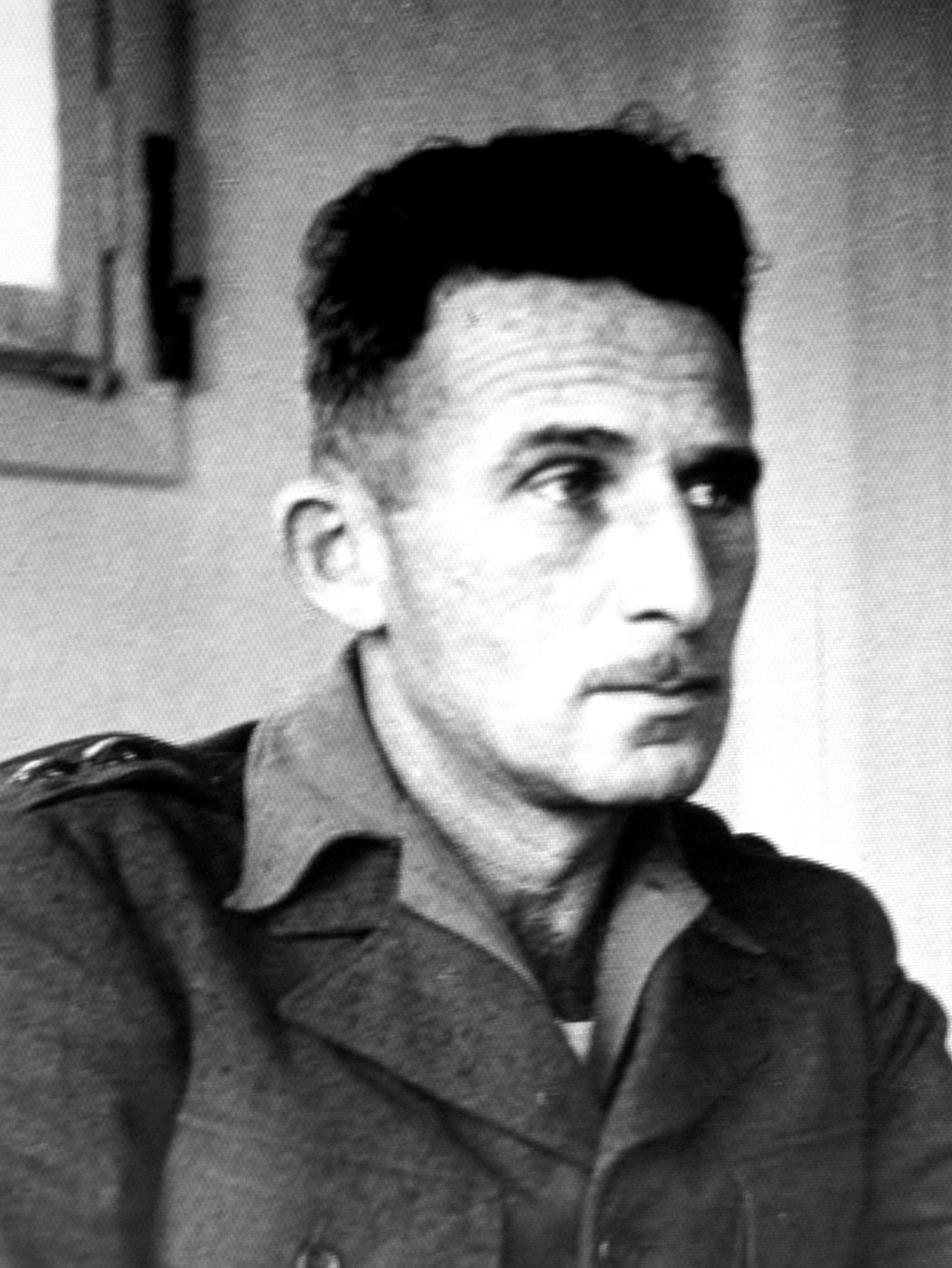
Shimon Avidan
Shimon Avidan (Hebrew: שמעון אבידן; February 7, 1911 – September 11, 1994), born Siegbert Koch (Hebrew: זיגברט קוך), was a Palmach soldier and IDF military leader. He was the commander of the Givati Brigade during the 1948 Arab-Israeli war.
Shimon Avidan was born in Germany in 1911 as Siegbert Koch, to a family of merchants. In his youth, he joined the Communist Party of Germany, which infiltrated him as an undercover agent into the Nazi Party. After the Nazis' rise to power, Communist Party documents fell into Nazi hands, and the Communist Party recommended that he leave Germany. Shimon fled to France, where he and his brother joined the Hashomer Hatzair movement. In June 1934, at the age of 23, he made Aliyah to Mandatory Palestine during the Fifth Aliyah. He joined kibbutz Ayelet HaShahar, where he worked as a field guard. He served as a sergeant in the Notrim (Jewish police force) and later became a commander in the Mobile Guards. He then served as the commander of Field Companies in the Upper Galilee and as a fighter and commander in the Special Night Squads established by Captain Orde Charles Wingate. In 1939, he moved to kibbutz Ein HaShofet, where he lived until his death.
During World War II, in 1941, Avidan was among the first to enlist in the Palmach and became a close friend of Palmach commander Yitzhak Sadeh. During the "Two Hundred Days of Dread", from the spring of 1942 until the British Army's victory in the Second Battle of El Alamein, Yitzhak Sadeh ordered the formation of the German Platoon of the Palmach ("Hapalmach Hagermanit"), which was intended to carry out guerrilla operations behind enemy lines if Palestine were to fall to the German army. The platoon was established in May 1942, during a time when there was fear in the Yishuv that Erwin Rommel's Afrika Korps, advancing through North Africa towards Egypt, might cross the Suez Canal and invade Palestine. The platoon was formed in coordination with the British military command. Avidan, a native German speaker familiar with the German way of life, was appointed its commander, with Yehuda Ben-Hurin (Briger) as his deputy. The platoon trained in the use of weapons, combat tactics, reconnaissance, hand-to-hand combat, and radio communications.
After the British victory in the Second Battle of El Alamein on November 3, 1942, the threat of a German invasion of Palestine receded, and the platoon's original mission of conducting guerrilla operations in Palestine was no longer necessary. The platoon continued to exist, and rumors occasionally circulated about potential operations it would carry out on various fronts, but none materialized.
Once it became clear that the British army did not require the platoon's assistance on any front, the platoon was disbanded, and its members were distributed among various Palmach units. Avidan was tasked with forming Palmach Pluga Zayin (translated as Company 7 ("Zayin" is the 7th letter), Company G, or Company Z", which was made up of soldiers from the German Platoon, the Balkan Platoon (trained to fight behind enemy lines in the Balkan states), the Arab Platoon (today's equivalent of the undercover unit known as Mista'arvim), and the Air Platoon (Palavir). Avidan became the commander of the company, and one of its section leaders was Yitzhak Rabin.
Towards the end of World War II, Avidan traveled to Europe on a mission for Mossad LeAliyah Bet, where he became one of the organizers of the Aliyah Bet (illegal Jewish immigration). While in Europe, he led the group known as the Nokmim (Nazi Hunters), which operated under a veil of secrecy that remained mostly intact for years afterward, carrying out the assassination of Nazi war criminals. Upon his return to Palestine, he was appointed commander of the Fourth Battalion of the Palmach.
In late 1944, Avidan was appointed to the headquarters of the Season (Saison), led by Yigal Allon. Before the Season began, discussions were held regarding the moral dilemma of imposing the authority of the Yishuv leadership on the Irgun and Lehi underground movements, which did not recognize its leadership, and the question of whether to turn over Jews to the British. Yigal Allon opposed the handover, but Palmach commander Yitzhak Sadeh strongly supported carrying out the Saison. Avidan's view was that it was preferable to act against the underground movements independently, without cooperating with the British, but if the choice was between cooperation with the British or inaction, then cooperation with the British was the better option.
Several weeks before the end of World War II, Avidan was discharged from the Palmach and returned to Kibbutz Ein Hashofet, where he worked in agriculture.
Hub AI
Shimon Avidan AI simulator
(@Shimon Avidan_simulator)
Shimon Avidan
Shimon Avidan (Hebrew: שמעון אבידן; February 7, 1911 – September 11, 1994), born Siegbert Koch (Hebrew: זיגברט קוך), was a Palmach soldier and IDF military leader. He was the commander of the Givati Brigade during the 1948 Arab-Israeli war.
Shimon Avidan was born in Germany in 1911 as Siegbert Koch, to a family of merchants. In his youth, he joined the Communist Party of Germany, which infiltrated him as an undercover agent into the Nazi Party. After the Nazis' rise to power, Communist Party documents fell into Nazi hands, and the Communist Party recommended that he leave Germany. Shimon fled to France, where he and his brother joined the Hashomer Hatzair movement. In June 1934, at the age of 23, he made Aliyah to Mandatory Palestine during the Fifth Aliyah. He joined kibbutz Ayelet HaShahar, where he worked as a field guard. He served as a sergeant in the Notrim (Jewish police force) and later became a commander in the Mobile Guards. He then served as the commander of Field Companies in the Upper Galilee and as a fighter and commander in the Special Night Squads established by Captain Orde Charles Wingate. In 1939, he moved to kibbutz Ein HaShofet, where he lived until his death.
During World War II, in 1941, Avidan was among the first to enlist in the Palmach and became a close friend of Palmach commander Yitzhak Sadeh. During the "Two Hundred Days of Dread", from the spring of 1942 until the British Army's victory in the Second Battle of El Alamein, Yitzhak Sadeh ordered the formation of the German Platoon of the Palmach ("Hapalmach Hagermanit"), which was intended to carry out guerrilla operations behind enemy lines if Palestine were to fall to the German army. The platoon was established in May 1942, during a time when there was fear in the Yishuv that Erwin Rommel's Afrika Korps, advancing through North Africa towards Egypt, might cross the Suez Canal and invade Palestine. The platoon was formed in coordination with the British military command. Avidan, a native German speaker familiar with the German way of life, was appointed its commander, with Yehuda Ben-Hurin (Briger) as his deputy. The platoon trained in the use of weapons, combat tactics, reconnaissance, hand-to-hand combat, and radio communications.
After the British victory in the Second Battle of El Alamein on November 3, 1942, the threat of a German invasion of Palestine receded, and the platoon's original mission of conducting guerrilla operations in Palestine was no longer necessary. The platoon continued to exist, and rumors occasionally circulated about potential operations it would carry out on various fronts, but none materialized.
Once it became clear that the British army did not require the platoon's assistance on any front, the platoon was disbanded, and its members were distributed among various Palmach units. Avidan was tasked with forming Palmach Pluga Zayin (translated as Company 7 ("Zayin" is the 7th letter), Company G, or Company Z", which was made up of soldiers from the German Platoon, the Balkan Platoon (trained to fight behind enemy lines in the Balkan states), the Arab Platoon (today's equivalent of the undercover unit known as Mista'arvim), and the Air Platoon (Palavir). Avidan became the commander of the company, and one of its section leaders was Yitzhak Rabin.
Towards the end of World War II, Avidan traveled to Europe on a mission for Mossad LeAliyah Bet, where he became one of the organizers of the Aliyah Bet (illegal Jewish immigration). While in Europe, he led the group known as the Nokmim (Nazi Hunters), which operated under a veil of secrecy that remained mostly intact for years afterward, carrying out the assassination of Nazi war criminals. Upon his return to Palestine, he was appointed commander of the Fourth Battalion of the Palmach.
In late 1944, Avidan was appointed to the headquarters of the Season (Saison), led by Yigal Allon. Before the Season began, discussions were held regarding the moral dilemma of imposing the authority of the Yishuv leadership on the Irgun and Lehi underground movements, which did not recognize its leadership, and the question of whether to turn over Jews to the British. Yigal Allon opposed the handover, but Palmach commander Yitzhak Sadeh strongly supported carrying out the Saison. Avidan's view was that it was preferable to act against the underground movements independently, without cooperating with the British, but if the choice was between cooperation with the British or inaction, then cooperation with the British was the better option.
Several weeks before the end of World War II, Avidan was discharged from the Palmach and returned to Kibbutz Ein Hashofet, where he worked in agriculture.