
Recent from talks
Yishuv
Knowledge base stats:
Talk channels stats:
Members stats:
Yishuv
The Yishuv (Hebrew: ישוב, lit. 'settlement'), HaYishuv Ha'ivri (Hebrew: הישוב העברי, lit. 'the Hebrew settlement'), or HaYishuv HaYehudi Be'Eretz Yisra'el (lit. 'the Jewish Settlement in the Land of Israel') was the community of Jews residing in Palestine prior to the establishment of the State of Israel in 1948. The term came into use in the 1880s, when there were about 25,000 Jews living in that region, and continued to be used until 1948, by which time there were some 630,000 Jews there. The term is still in use to denote the pre-1948 Jewish residents in Palestine, corresponding to the southern part of Ottoman Syria until 1918, OETA South in 1917–1920, and Mandatory Palestine in 1920–1948.
A distinction is sometimes drawn between the Old Yishuv and the New Yishuv. The Old Yishuv refers to all the Jews living in Palestine before the first Zionist immigration wave (aliyah) of 1882, and to their descendants until 1948. The Old Yishuv residents were religious Jews, living mainly in Jerusalem, Safed, Tiberias, and Hebron. There were smaller communities in Jaffa, Haifa, Peki'in, Acre, Nablus, Shfaram, and until 1799 in Gaza. In the final centuries before modern Zionism,[clarification needed] a large part of the Old Yishuv spent their time studying the Torah and lived off charity (halukka), donated by Jews in the Diaspora.[clarification needed]
The term New Yishuv refers to those who adopted a new approach, based on economic independence and various national ideologies, rather than strictly religious reasons for settling in the "Holy Land".[citation needed] The precursors began building homes outside the Old City walls of Jerusalem in the 1860s, followed soon after by the founders of the moshava of Petah Tikva, with growth in full swing during the First Aliyah of 1882, followed by the founding of neighbourhoods and villages until the establishment of the State of Israel in 1948.[citation needed]
The Old Yishuv were the Jewish communities of southern Ottoman Syria in the Ottoman Empire, up to the onset of Zionist aliyah and the consolidation of the New Yishuv by the end of World War I in 1918 and the establishment of the British Mandate for Palestine. The Old Yishuv had continuously resided in Palestine and was largely made up of ultra-Orthodox Jews dependent on external donations (Halukka) for living, as opposed to the later Zionist aliyah and the New Yishuv, who were more socialist-leaning and secular, emphasizing labor and self-sufficiency.[citation needed]
The Old Yishuv developed after a period of severe decline in Jewish communities of the Southern Levant during the early Middle Ages, and was composed of three clusters. The oldest group consisted of the Ladino-speaking Sephardic Jewish communities in Galilee and the Judeo-Arabic speaking Musta'arabi Jews who settled in Eretz Yisrael in the Ottoman and late Mamluk period. A second group was composed of Ashkenazi and Hasidic Jews who had emigrated from Europe in the 18th and early 19th centuries. A third wave was constituted by Yishuv members who arrived in the late 19th century. The Old Yishuv was thus generally divided into two independent communities – the Sephardi Jews (including Musta'arabim), mainly constituting the remains of Jewish communities of Galilee and the Four Holy Cities of Judaism, which had flourished in the 16th and 17th centuries; and the Ashkenazi Jews, whose immigration from Europe was primarily since the 18th century.
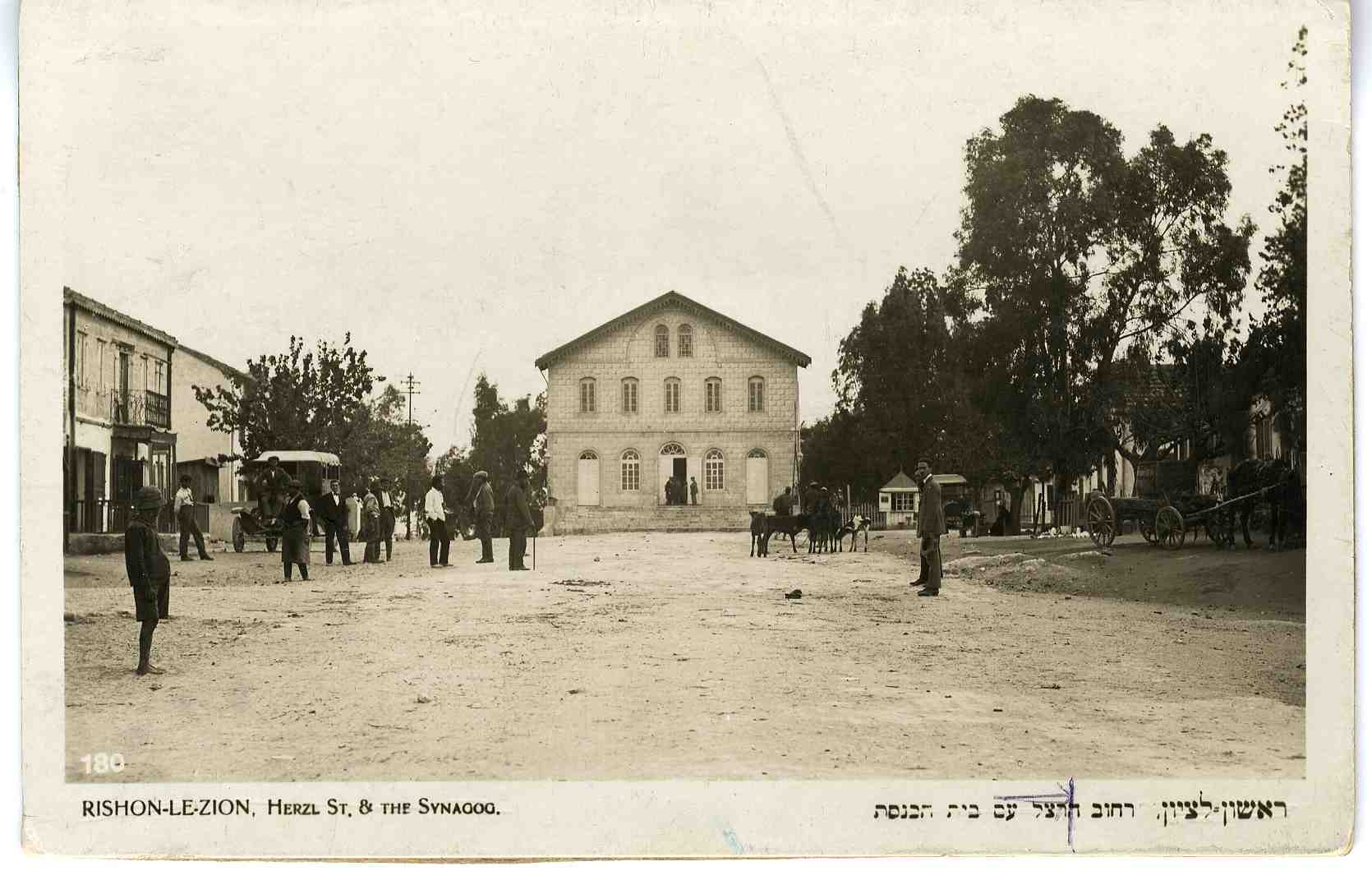
The Old Yishuv term was coined by members of the 'New Yishuv' in the late 19th century to distinguish themselves from the economically dependent and generally earlier Jewish communities, who mainly resided in the four holy cities, and unlike the New Yishuv, had not embraced land ownership and agriculture. Apart from the Old Yishuv centres in the four holy cities of Judaism, namely Jerusalem, Hebron, Tiberias and Safed, smaller communities also existed in Jaffa, Haifa, Peki'in, Acre, Nablus and Shfaram. Petah Tikva, although established in 1878 by the Old Yishuv, nevertheless was also supported by the arriving Zionists. Rishon LeZion, the first settlement founded by the Hovevei Zion in 1882, could be considered the true beginning of the New Yishuv.
The Ottoman government was not supportive of the new settlers from the First and Second Aliyah, as the Ottoman government officially restricted Jewish immigration. The Yishuv relied on money from abroad to support their settlements.
In 1908, the Zionist Organization founded the Palestine Office, under Arthur Ruppin, for land acquisition, agricultural settlement and training, and later for urban expansion. The first Hebrew high schools were opened in Palestine as well as the Technion, the first institution for higher learning. Hashomer, a Zionist self-defence group, was created to protect the Jewish settlements. Labor organizations were created along with health and cultural services, all later coordinated by the Jewish National Council. By 1914, the old Yishuv was a minority, and the New Yishuv began to express itself and its Zionist goals.
Hub AI
Yishuv AI simulator
(@Yishuv_simulator)
Yishuv
The Yishuv (Hebrew: ישוב, lit. 'settlement'), HaYishuv Ha'ivri (Hebrew: הישוב העברי, lit. 'the Hebrew settlement'), or HaYishuv HaYehudi Be'Eretz Yisra'el (lit. 'the Jewish Settlement in the Land of Israel') was the community of Jews residing in Palestine prior to the establishment of the State of Israel in 1948. The term came into use in the 1880s, when there were about 25,000 Jews living in that region, and continued to be used until 1948, by which time there were some 630,000 Jews there. The term is still in use to denote the pre-1948 Jewish residents in Palestine, corresponding to the southern part of Ottoman Syria until 1918, OETA South in 1917–1920, and Mandatory Palestine in 1920–1948.
A distinction is sometimes drawn between the Old Yishuv and the New Yishuv. The Old Yishuv refers to all the Jews living in Palestine before the first Zionist immigration wave (aliyah) of 1882, and to their descendants until 1948. The Old Yishuv residents were religious Jews, living mainly in Jerusalem, Safed, Tiberias, and Hebron. There were smaller communities in Jaffa, Haifa, Peki'in, Acre, Nablus, Shfaram, and until 1799 in Gaza. In the final centuries before modern Zionism,[clarification needed] a large part of the Old Yishuv spent their time studying the Torah and lived off charity (halukka), donated by Jews in the Diaspora.[clarification needed]
The term New Yishuv refers to those who adopted a new approach, based on economic independence and various national ideologies, rather than strictly religious reasons for settling in the "Holy Land".[citation needed] The precursors began building homes outside the Old City walls of Jerusalem in the 1860s, followed soon after by the founders of the moshava of Petah Tikva, with growth in full swing during the First Aliyah of 1882, followed by the founding of neighbourhoods and villages until the establishment of the State of Israel in 1948.[citation needed]
The Old Yishuv were the Jewish communities of southern Ottoman Syria in the Ottoman Empire, up to the onset of Zionist aliyah and the consolidation of the New Yishuv by the end of World War I in 1918 and the establishment of the British Mandate for Palestine. The Old Yishuv had continuously resided in Palestine and was largely made up of ultra-Orthodox Jews dependent on external donations (Halukka) for living, as opposed to the later Zionist aliyah and the New Yishuv, who were more socialist-leaning and secular, emphasizing labor and self-sufficiency.[citation needed]
The Old Yishuv developed after a period of severe decline in Jewish communities of the Southern Levant during the early Middle Ages, and was composed of three clusters. The oldest group consisted of the Ladino-speaking Sephardic Jewish communities in Galilee and the Judeo-Arabic speaking Musta'arabi Jews who settled in Eretz Yisrael in the Ottoman and late Mamluk period. A second group was composed of Ashkenazi and Hasidic Jews who had emigrated from Europe in the 18th and early 19th centuries. A third wave was constituted by Yishuv members who arrived in the late 19th century. The Old Yishuv was thus generally divided into two independent communities – the Sephardi Jews (including Musta'arabim), mainly constituting the remains of Jewish communities of Galilee and the Four Holy Cities of Judaism, which had flourished in the 16th and 17th centuries; and the Ashkenazi Jews, whose immigration from Europe was primarily since the 18th century.
The Old Yishuv term was coined by members of the 'New Yishuv' in the late 19th century to distinguish themselves from the economically dependent and generally earlier Jewish communities, who mainly resided in the four holy cities, and unlike the New Yishuv, had not embraced land ownership and agriculture. Apart from the Old Yishuv centres in the four holy cities of Judaism, namely Jerusalem, Hebron, Tiberias and Safed, smaller communities also existed in Jaffa, Haifa, Peki'in, Acre, Nablus and Shfaram. Petah Tikva, although established in 1878 by the Old Yishuv, nevertheless was also supported by the arriving Zionists. Rishon LeZion, the first settlement founded by the Hovevei Zion in 1882, could be considered the true beginning of the New Yishuv.
The Ottoman government was not supportive of the new settlers from the First and Second Aliyah, as the Ottoman government officially restricted Jewish immigration. The Yishuv relied on money from abroad to support their settlements.
In 1908, the Zionist Organization founded the Palestine Office, under Arthur Ruppin, for land acquisition, agricultural settlement and training, and later for urban expansion. The first Hebrew high schools were opened in Palestine as well as the Technion, the first institution for higher learning. Hashomer, a Zionist self-defence group, was created to protect the Jewish settlements. Labor organizations were created along with health and cultural services, all later coordinated by the Jewish National Council. By 1914, the old Yishuv was a minority, and the New Yishuv began to express itself and its Zionist goals.
Recent media