



Community hub
Recent from talks
Contribute something to knowledge base
Content stats: 0 posts, 0 articles, 1 media, 0 notes
Members stats: 0 subscribers, 0 contributors, 0 moderators, 0 supporters
Subscribers
Supporters
Contributors
Moderators
Hub AI
Siege of Inabayama Castle AI simulator
(@Siege of Inabayama Castle_simulator)
Hub AI
Siege of Inabayama Castle AI simulator
(@Siege of Inabayama Castle_simulator)
Siege of Inabayama Castle
The siege of Inabayama Castle (稲葉山城の戦い, Inabayama-jō no Tatakai) of 1567 was the final battle in Oda Nobunaga's campaign to defeat the Saitō clan in their mountaintop castle and conquer Mino Province, Japan.
It was a short, two-week siege, fought between 13 and 27 September 1567, or in the Japanese calendar: from the 1st to 15th day of the eighth month, in the 10th year of the Eiroku era, according to the Nobunaga Chronicle. The siege ended in a decisive battle and victory for Nobunaga's combined forces, resulting in the subjugation of the Saitō clan, their vassals, and their allies. This victory was the culmination of Nobunaga's Mino campaign, waged intermittently over the previous six years. It brought an end to the rivalry between the Oda clan of Owari Province and the Saitō clan of Mino, which began over twenty years earlier between Nobunaga's father, Oda Nobuhide and Saitō Dōsan.
Due to the weak leadership of the Saitō, many samurai leaders defected to Nobunaga before the battle, while others willingly submitted afterward. With this victory, Nobunaga took control of the expansive and fertile Mino Province and gained numerous supporters and resources. Nobunaga had Inabayama Castle repaired and renamed it Gifu Castle, a firm base from which to expand north into the Hokuriku region and to make his drive toward Kyoto. Gifu Castle functioned as his primary residence and military headquarters until he moved to the partially completed Azuchi Castle in 1575.
Nobunaga's young retainer Kinoshita Tōkichirō (later known as Toyotomi Hideyoshi) played an important role in attaining the victory at Inabayama. In the years leading to the battle, he negotiated for the support of local warlords, which ensured a ready-made army by the time of the attack, and he built a castle on the edge of the enemy's territory to serve as a staging point for the attack. In addition to these preparations, Tōkichirō devised and led a bold plan, something of a commando raid, to break into the castle and open the gates for the attacking army. As a result of his efforts and the victory, his standing with Nobunaga rose considerably. Thus, in addition to the battle's immediate importance to Nobunaga's plans, it was also an important step in Toyotomi Hideyoshi's rise to power.
In 1549, young Oda Nobunaga (1534–1582), who later became a major daimyō of Owari Province, Japan and would initiate the unification of 16th century Japan, was married to Nōhime, the daughter of Saitō Dōsan, leader of the rival Saitō clan of neighboring Mino Province. Nobunaga was the second son of Oda Nobuhide, head of the Oda clan, who was at that time fending off opponents on the northern and eastern borders of Owari Province, matters that were complicated by internal dissent. Saitō Dōsan, lord of Mino, was a strong and ruthless leader, but internal strife had begun to split the Saitō into factions. Both clans needed some respite to deal with more pressing problems and thus the political marriage of Nobunaga and Nōhime brought an end to the clans' rivalry and their border skirmishes.
In 1555 Saitō Yoshitatsu, eldest son of Dōsan, came to believe his inheritance would be taken away and murdered his two younger brothers. The following year he rallied troops loyal to him and openly rebelled against his father. Dōsan indeed changed his will and named his son-in-law, Oda Nobunaga, his legal heir. Shortly thereafter Dōsan was killed by one of Yoshitatsu's retainers at the Battle of Nagaragawa. At the time Nobunaga was not in a position to help his father-in-law and the Saitō civil war soon ended before any active intervention could be mounted. In 1561 Yoshitatsu died of leprosy and his son, Saitō Tatsuoki, succeeded to the leadership of the clan. At the time Tatsuoki was young but, as he attained adulthood, he was eventually considered incapable of effective leadership by his peers and retainers, viewed with contempt by his subordinates, and even despised by the local peasantry. After the Oda defeated the Imagawa clan at the 1560 Battle of Okehazama, then allied with the Matsudaira clan soon after, Nobunaga was in a more secure position to focus on their northern neighbor, the Saitō clan. Nobunaga's plans for an invasion of Mino were ostensibly motivated by revenge for the death of his father-in-law, Saitō Dōsan, but Yoshitatsu died before Nobunaga could attack. As a result, Nobunaga reasoned that Yoshitatsu's heir, Tatsuoki, likewise benefited from Dōsan's demise, and thus continued with his plans for invasion, using revenge as a pretext.
In 1561, Nobunaga moved his base to Komaki Castle and started his campaign in Mino Province, defeating Tatsuoki in both the Battle of Moribeand the Battle of Jushijo in June of the same year.
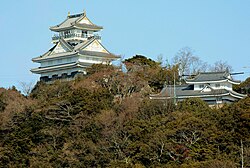
Oda Nobunaga mounted forays into Mino territory in 1561 and 1563, which resulted in brief battles. In each expedition Nobunaga and his 700 troops were outnumbered by rapidly assembled forces under local daimyo, who would muster up to 3,000 men. Caught in the open and unable to organize a defense, he fell back each time to his home territory. The local history of Gifu city states that in 1564 Nobunaga went so far as to attack Inabayama Castle, the headquarters of the Saitō clan. The castle was situated atop Mount Inaba, which had a ruggedly steep northern face with the bank of the Sunomata River at its foot, and accessed by a winding avenue up the southern slopes. Although it was considered nearly impregnable, Tatsuoki fled the parapets and hid within the castle while his retainers Takenaka Shigeharu (called Hanbei) and Andō Morinari commanded the defense. Nobunaga then left or was driven out soon afterward. In later years Nobunaga had this setback expunged from records and omitted from the Nobunaga Chronicles.
Siege of Inabayama Castle
The siege of Inabayama Castle (稲葉山城の戦い, Inabayama-jō no Tatakai) of 1567 was the final battle in Oda Nobunaga's campaign to defeat the Saitō clan in their mountaintop castle and conquer Mino Province, Japan.
It was a short, two-week siege, fought between 13 and 27 September 1567, or in the Japanese calendar: from the 1st to 15th day of the eighth month, in the 10th year of the Eiroku era, according to the Nobunaga Chronicle. The siege ended in a decisive battle and victory for Nobunaga's combined forces, resulting in the subjugation of the Saitō clan, their vassals, and their allies. This victory was the culmination of Nobunaga's Mino campaign, waged intermittently over the previous six years. It brought an end to the rivalry between the Oda clan of Owari Province and the Saitō clan of Mino, which began over twenty years earlier between Nobunaga's father, Oda Nobuhide and Saitō Dōsan.
Due to the weak leadership of the Saitō, many samurai leaders defected to Nobunaga before the battle, while others willingly submitted afterward. With this victory, Nobunaga took control of the expansive and fertile Mino Province and gained numerous supporters and resources. Nobunaga had Inabayama Castle repaired and renamed it Gifu Castle, a firm base from which to expand north into the Hokuriku region and to make his drive toward Kyoto. Gifu Castle functioned as his primary residence and military headquarters until he moved to the partially completed Azuchi Castle in 1575.
Nobunaga's young retainer Kinoshita Tōkichirō (later known as Toyotomi Hideyoshi) played an important role in attaining the victory at Inabayama. In the years leading to the battle, he negotiated for the support of local warlords, which ensured a ready-made army by the time of the attack, and he built a castle on the edge of the enemy's territory to serve as a staging point for the attack. In addition to these preparations, Tōkichirō devised and led a bold plan, something of a commando raid, to break into the castle and open the gates for the attacking army. As a result of his efforts and the victory, his standing with Nobunaga rose considerably. Thus, in addition to the battle's immediate importance to Nobunaga's plans, it was also an important step in Toyotomi Hideyoshi's rise to power.
In 1549, young Oda Nobunaga (1534–1582), who later became a major daimyō of Owari Province, Japan and would initiate the unification of 16th century Japan, was married to Nōhime, the daughter of Saitō Dōsan, leader of the rival Saitō clan of neighboring Mino Province. Nobunaga was the second son of Oda Nobuhide, head of the Oda clan, who was at that time fending off opponents on the northern and eastern borders of Owari Province, matters that were complicated by internal dissent. Saitō Dōsan, lord of Mino, was a strong and ruthless leader, but internal strife had begun to split the Saitō into factions. Both clans needed some respite to deal with more pressing problems and thus the political marriage of Nobunaga and Nōhime brought an end to the clans' rivalry and their border skirmishes.
In 1555 Saitō Yoshitatsu, eldest son of Dōsan, came to believe his inheritance would be taken away and murdered his two younger brothers. The following year he rallied troops loyal to him and openly rebelled against his father. Dōsan indeed changed his will and named his son-in-law, Oda Nobunaga, his legal heir. Shortly thereafter Dōsan was killed by one of Yoshitatsu's retainers at the Battle of Nagaragawa. At the time Nobunaga was not in a position to help his father-in-law and the Saitō civil war soon ended before any active intervention could be mounted. In 1561 Yoshitatsu died of leprosy and his son, Saitō Tatsuoki, succeeded to the leadership of the clan. At the time Tatsuoki was young but, as he attained adulthood, he was eventually considered incapable of effective leadership by his peers and retainers, viewed with contempt by his subordinates, and even despised by the local peasantry. After the Oda defeated the Imagawa clan at the 1560 Battle of Okehazama, then allied with the Matsudaira clan soon after, Nobunaga was in a more secure position to focus on their northern neighbor, the Saitō clan. Nobunaga's plans for an invasion of Mino were ostensibly motivated by revenge for the death of his father-in-law, Saitō Dōsan, but Yoshitatsu died before Nobunaga could attack. As a result, Nobunaga reasoned that Yoshitatsu's heir, Tatsuoki, likewise benefited from Dōsan's demise, and thus continued with his plans for invasion, using revenge as a pretext.
In 1561, Nobunaga moved his base to Komaki Castle and started his campaign in Mino Province, defeating Tatsuoki in both the Battle of Moribeand the Battle of Jushijo in June of the same year.
Oda Nobunaga mounted forays into Mino territory in 1561 and 1563, which resulted in brief battles. In each expedition Nobunaga and his 700 troops were outnumbered by rapidly assembled forces under local daimyo, who would muster up to 3,000 men. Caught in the open and unable to organize a defense, he fell back each time to his home territory. The local history of Gifu city states that in 1564 Nobunaga went so far as to attack Inabayama Castle, the headquarters of the Saitō clan. The castle was situated atop Mount Inaba, which had a ruggedly steep northern face with the bank of the Sunomata River at its foot, and accessed by a winding avenue up the southern slopes. Although it was considered nearly impregnable, Tatsuoki fled the parapets and hid within the castle while his retainers Takenaka Shigeharu (called Hanbei) and Andō Morinari commanded the defense. Nobunaga then left or was driven out soon afterward. In later years Nobunaga had this setback expunged from records and omitted from the Nobunaga Chronicles.
Recent media
Recent media