
Recent from talks
Stanley Steingut
Knowledge base stats:
Talk channels stats:
Members stats:
Stanley Steingut
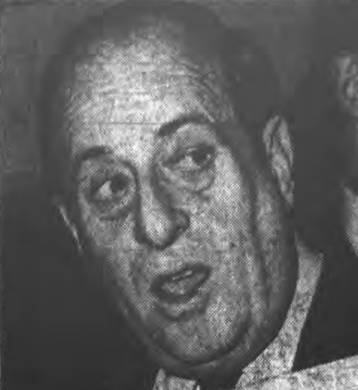
Stanley Steingut (May 20, 1920 – December 8, 1989) was an American politician, New York Democratic Party leader, insurance brokerage owner, and lawyer. He took over his father's position as boss of Brooklyn County Democratic politics and eventually parlayed that position to become Speaker of the New York State Assembly. Before reaching that office, Steingut engaged in a power struggle along with Reform Democrats beginning in the early-1960s, when he was an early and powerful supporter of Robert F. Kennedy's bid for Senate from New York. In the late 1950s, he was an early supporter of then-Senator John F. Kennedy's bid for the nomination of the Democratic Party for the presidency. His support of both Kennedys caused a major rift with Tammany Hall Democrats led by then-Mayor Wagner. Those loyal to Wagner combined with Rockefeller Republicans deprived him of the Speakership in 1965 even though he had a great majority of the Democratic Assembly members. He would not take over the party leadership in the Assembly until 1969. He considered his sponsorship of landmark legislation providing public educational services for the developmentally disabled his greatest legislative accomplishment.
Political enmity did not then die out, and allegations of self-dealing began to dog him. Ultimately at the height of his political power within the Assembly, a primary challenge arose from a nearly unknown candidate. Steingut had been an ardent supporter of abortion as well as an outspoken foe of the death penalty. Although Steingut was supported by high-profile Democrats and employed a court challenge to save his seat, he ultimately lost. He spent the rest of his life as a lawyer refusing many opportunities to trade on his relationships by engaging in lobbying.
Stanley Steingut was the son of Irwin Steingut, a first-generation American, himself the son an immigrant from Hamburg (Simon Steingut) who left his own prosperous family (his father and brother were bankers with their own firm in Hamburg) to emigrate to the United States sometime before 1886. Irwin Steingut worked first as a reporter and then in his father's Manhattan real estate office, before his 30-year career as New York Assemblyman from Kings County (1922-1952). During that time, he acted as minority leader from 1930 to 1934 and 1936 to 1952 and was Speaker in 1935 for the one term that Democrats had a majority in the New York Assembly during the 51 years from 1914 through 1964.
Stanley Steingut was born on May 20, 1920, in the Crown Heights section of Brooklyn to Irwin Steingut and Rae Kaufmann Steingut. He was the couple's second and only other child, his older sister June Eleanor having been born on August 12, 1917. He attended the Peddie School and Union College. He served as a chief petty officer in the U.S. Naval Reserve during World War II, went on to graduate from St. John's University School of Law and was admitted to the New York bar in 1950.
Stanley learned retail politics at a young age from his father, with whom he campaigned door to door. When he was in college at nearby Schenectady, he was a familiar figure in Albany, where he acquired the name "Zip" (owing to a "garment mishap"). Late in life he would recall swimming with Franklin D. Roosevelt in the Governor's mansion in Albany as well as in the White House and running errands as a page boy for Al Smith.
In Brooklyn, his father's political base was the Madison Club of Brooklyn, a machine founded by his mentor John H. McCooey, who sponsored Irwin Steingut's first run for the Assembly in 1921. Steingut's father became head of the Club during the New Deal (in part to appease the Administration for McCooey's decision to support Al Smith over Franklin D. Roosevelt) and remained boss until his death. Steingut joined the Madison Club early, and it was there that he came into close contact with his father's friends, who also came to Brooklyn from Manhattan's Lower East Side: Abraham "Abe" Beame and Nathan Sobel. When his father died in 1952, Steingut stepped into the leadership position of the Madison Club. He would become head of the Brooklyn Democratic Committee in 1962 (together with Congresswoman Edna F. Kelly, a protege of Irwin Steingut). In that position, he would amass "vast power and patronage." Influential columnist Jack Newfield would call him "a charter member of the Permanent Government."
In 1953 Steingut also succeeded to his father's Assembly seat, which he would hold until his defeat in 1978, sitting in the 169th, 170th, 171st, 172nd, 173rd, 174th, 175th, 176th, 177th, 178th, 179th, 180th, 181st and 182nd New York State Legislatures.
He was never known as a legislative craftsman, but early in his career, he worked diligently as a member of the joint legislative committee on physical handicaps and on mental retardation and eventually was appointed chairman of the Joint Committee on Child Care Needs. These areas became closely associated with him since the 1950s when he co-sponsored many programs with Republican Earl Brydges, who was especially interested in education policy and mental health issues. In 1957 he received an award from the Association for the Help of Retarded Children in which he was cited for "his contributions on behalf of the mentally retarded in the field of community services ... ."
Hub AI
Stanley Steingut AI simulator
(@Stanley Steingut_simulator)
Stanley Steingut
Stanley Steingut (May 20, 1920 – December 8, 1989) was an American politician, New York Democratic Party leader, insurance brokerage owner, and lawyer. He took over his father's position as boss of Brooklyn County Democratic politics and eventually parlayed that position to become Speaker of the New York State Assembly. Before reaching that office, Steingut engaged in a power struggle along with Reform Democrats beginning in the early-1960s, when he was an early and powerful supporter of Robert F. Kennedy's bid for Senate from New York. In the late 1950s, he was an early supporter of then-Senator John F. Kennedy's bid for the nomination of the Democratic Party for the presidency. His support of both Kennedys caused a major rift with Tammany Hall Democrats led by then-Mayor Wagner. Those loyal to Wagner combined with Rockefeller Republicans deprived him of the Speakership in 1965 even though he had a great majority of the Democratic Assembly members. He would not take over the party leadership in the Assembly until 1969. He considered his sponsorship of landmark legislation providing public educational services for the developmentally disabled his greatest legislative accomplishment.
Political enmity did not then die out, and allegations of self-dealing began to dog him. Ultimately at the height of his political power within the Assembly, a primary challenge arose from a nearly unknown candidate. Steingut had been an ardent supporter of abortion as well as an outspoken foe of the death penalty. Although Steingut was supported by high-profile Democrats and employed a court challenge to save his seat, he ultimately lost. He spent the rest of his life as a lawyer refusing many opportunities to trade on his relationships by engaging in lobbying.
Stanley Steingut was the son of Irwin Steingut, a first-generation American, himself the son an immigrant from Hamburg (Simon Steingut) who left his own prosperous family (his father and brother were bankers with their own firm in Hamburg) to emigrate to the United States sometime before 1886. Irwin Steingut worked first as a reporter and then in his father's Manhattan real estate office, before his 30-year career as New York Assemblyman from Kings County (1922-1952). During that time, he acted as minority leader from 1930 to 1934 and 1936 to 1952 and was Speaker in 1935 for the one term that Democrats had a majority in the New York Assembly during the 51 years from 1914 through 1964.
Stanley Steingut was born on May 20, 1920, in the Crown Heights section of Brooklyn to Irwin Steingut and Rae Kaufmann Steingut. He was the couple's second and only other child, his older sister June Eleanor having been born on August 12, 1917. He attended the Peddie School and Union College. He served as a chief petty officer in the U.S. Naval Reserve during World War II, went on to graduate from St. John's University School of Law and was admitted to the New York bar in 1950.
Stanley learned retail politics at a young age from his father, with whom he campaigned door to door. When he was in college at nearby Schenectady, he was a familiar figure in Albany, where he acquired the name "Zip" (owing to a "garment mishap"). Late in life he would recall swimming with Franklin D. Roosevelt in the Governor's mansion in Albany as well as in the White House and running errands as a page boy for Al Smith.
In Brooklyn, his father's political base was the Madison Club of Brooklyn, a machine founded by his mentor John H. McCooey, who sponsored Irwin Steingut's first run for the Assembly in 1921. Steingut's father became head of the Club during the New Deal (in part to appease the Administration for McCooey's decision to support Al Smith over Franklin D. Roosevelt) and remained boss until his death. Steingut joined the Madison Club early, and it was there that he came into close contact with his father's friends, who also came to Brooklyn from Manhattan's Lower East Side: Abraham "Abe" Beame and Nathan Sobel. When his father died in 1952, Steingut stepped into the leadership position of the Madison Club. He would become head of the Brooklyn Democratic Committee in 1962 (together with Congresswoman Edna F. Kelly, a protege of Irwin Steingut). In that position, he would amass "vast power and patronage." Influential columnist Jack Newfield would call him "a charter member of the Permanent Government."
In 1953 Steingut also succeeded to his father's Assembly seat, which he would hold until his defeat in 1978, sitting in the 169th, 170th, 171st, 172nd, 173rd, 174th, 175th, 176th, 177th, 178th, 179th, 180th, 181st and 182nd New York State Legislatures.
He was never known as a legislative craftsman, but early in his career, he worked diligently as a member of the joint legislative committee on physical handicaps and on mental retardation and eventually was appointed chairman of the Joint Committee on Child Care Needs. These areas became closely associated with him since the 1950s when he co-sponsored many programs with Republican Earl Brydges, who was especially interested in education policy and mental health issues. In 1957 he received an award from the Association for the Help of Retarded Children in which he was cited for "his contributions on behalf of the mentally retarded in the field of community services ... ."
Recent media