
Recent from talks
Strandzha Nature Park
Knowledge base stats:
Talk channels stats:
Members stats:
Strandzha Nature Park
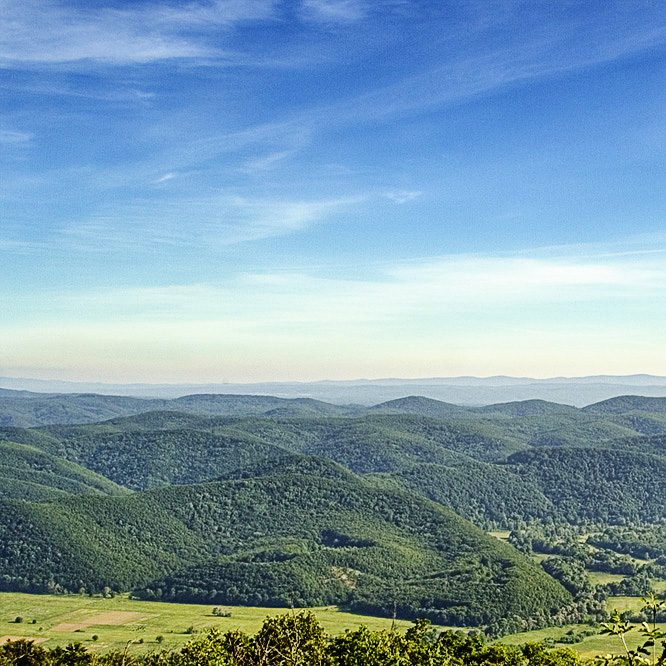
Strandzha Nature Park (Bulgarian: Природен парк Странджа Priroden park Strandzha, also transliterated as Stranja Nature Park) is the largest protected area in Bulgaria spanning a territory of 1,161 square kilometres (448 mi2) in the Strandzha Mountain in the extreme south-eastern corner of the country on the border with Turkey. It was established on 25 January 1995 to protect ecosystems and biodiversity of European importance, as well as the traditional cultural, historical and folklore heritage of the region. The altitude varies from 710 metres (780 yd) on Gradishte Peak to 0 metres (0 yd) at the Black Sea coast with average length of 50 kilometres (31 mi) from west to east and 20 kilometres (12 mi) from north to south.
The nature park is situated in Burgas Province with two towns, Malko Tarnovo and Ahtopol, and several villages within its territory. It includes five nature reserves: Silkosiya, Sredoka, Tisovitsa, Uzunbodzhak and Vitanovo. Silkosiya is the oldest one in Bulgaria, established in 1933, and Uzunbodzhak is included in the World Network of Biosphere Reserves under the UNESCO Man and Biosphere Programme. The whole territory is part of the network of nature protection areas of the European Union, Natura 2000.
Strandzha Nature Park falls within two terrestrial ecoregions of the Palearctic temperate broadleaf and mixed forest — the Balkan mixed forests and the Euxine-Colchic deciduous forests. Forests cover 80% of the park's area, with old-growth forest forming 30% of them. These woods are the last remaining temperate forests with evergreen laurel undergrowth in Europe. The park has the highest number of vertebrate species of all protected areas in Bulgaria, including 66 species of mammals, 269 species of birds, 24 species of reptiles, 10 species of amphibia and 41 species of freshwater fish, as well as 70 species of marine fish in the waters of the Black Sea. The invertebrate fauna is poorly researched and includes 84 Bulgarian endemic species, of which 4 are local, and 34 relict species.
The oldest traces of human habitation found in the territory of the park date from the Neolithic period in c. 6000 BC. By the mid-1st millennium BC Strandzha was inhabited by Thracian tribes, forming part of several Thracian kingdoms until the region was annexed by the Roman Empire in 45 AD. In the Middle Ages the area was contested between the Byzantine and the Bulgarian Empires until it was conquered by the Ottoman Turks in the late 14th century. After the Liberation of Bulgaria in 1878, Strandzha remained in the Ottoman Empire, which resulted in the 1903 Ilinden–Preobrazhenie Uprising by the local Bulgarian population. The region was liberated in 1912 during the First Balkan War. The rich history has left an important cultural heritage by several civilizations and folklore traditions unique for Bulgaria, such as Nestinarstvo that involves a barefoot dance on smouldering embers — a vestige from the pagan past. Traditional Strandzha wooden architecture from the mid-17th to the 19th century is preserved in the villages of Brashlyan and Kosti, as well as in the town of Malko Tarnovo.
Strandzha Nature Park was established on 25 January 1995 to protect ecosystems and biodiversity, as well as the traditional cultural, historical and folklore heritage of the region. Before 1995 the protection of the region had been fragmented, consisting of isolated nature reserves and protected areas. The park is administered by a directorate based in Malko Tarnovo and subordinated to the Executive Forest Agency of the Ministry of Environment and Water of Bulgaria. The directorate implements the state policy for the management and control of the protected area, aiming at the long-term conservation of the unique nature and ensuring the sustainable social and economic development of the region. It monitors the management and conservation of the forests, game, and fish resources while encouraging tourism and environmental protection.
The park falls within the International Union for Conservation of Nature management category V (protected landscape/seascape). The whole territory of the park and the adjacent Black Sea waters are included in the European Union network of nature protection areas Natura 2000 under the code Strandzha BG0001007. Strandzha Nature Park is listed as an important bird and biodiversity area by BirdLife International. There are two information centres for visitors: in Malko Tarnovo and in Gramatikovo.
Strandzha Nature Park is situated entirely in Burgas Province within the territory of two municipalities, Malko Tarnovo and Tsarevo, in the extreme south-eastern corner of Bulgaria. This area includes the 7,000 inhabitants of 19 villages, and the towns of Malko Tarnovo and Ahtopol. Strandzha is the least populated region in Bulgaria with a population density of 10 people per km2. It is accessible through the I-9 first class road to the west and the III-9901 third class road to the east which serves the park coastline. The two roads are linked by the II-99 second class road. With an area of 1,161 square kilometres (448 mi2), or approximately 1% of the national territory, the park is the largest protected territory in Bulgaria. Due to the geographic location of Strandzha in the immediate vicinity of Asia, the park contains biodiversity of European importance as well as a unique historical heritage.
The vegetation of Strandzha evolved before the formation of the Bosphorus Strait when the whole southern Black Sea coast was linked and represents the westernmost extension of the Euxine-Colchic ecoregion. Because of the proximity of three seas, the Black Sea, the Marmara Sea and the Aegean Sea, Strandzha remained unaffected by the Quaternary glaciation and retained its mild and relatively humid climate. Under those conditions the region has preserved relict species from the Neogene.
Hub AI
Strandzha Nature Park AI simulator
(@Strandzha Nature Park_simulator)
Strandzha Nature Park
Strandzha Nature Park (Bulgarian: Природен парк Странджа Priroden park Strandzha, also transliterated as Stranja Nature Park) is the largest protected area in Bulgaria spanning a territory of 1,161 square kilometres (448 mi2) in the Strandzha Mountain in the extreme south-eastern corner of the country on the border with Turkey. It was established on 25 January 1995 to protect ecosystems and biodiversity of European importance, as well as the traditional cultural, historical and folklore heritage of the region. The altitude varies from 710 metres (780 yd) on Gradishte Peak to 0 metres (0 yd) at the Black Sea coast with average length of 50 kilometres (31 mi) from west to east and 20 kilometres (12 mi) from north to south.
The nature park is situated in Burgas Province with two towns, Malko Tarnovo and Ahtopol, and several villages within its territory. It includes five nature reserves: Silkosiya, Sredoka, Tisovitsa, Uzunbodzhak and Vitanovo. Silkosiya is the oldest one in Bulgaria, established in 1933, and Uzunbodzhak is included in the World Network of Biosphere Reserves under the UNESCO Man and Biosphere Programme. The whole territory is part of the network of nature protection areas of the European Union, Natura 2000.
Strandzha Nature Park falls within two terrestrial ecoregions of the Palearctic temperate broadleaf and mixed forest — the Balkan mixed forests and the Euxine-Colchic deciduous forests. Forests cover 80% of the park's area, with old-growth forest forming 30% of them. These woods are the last remaining temperate forests with evergreen laurel undergrowth in Europe. The park has the highest number of vertebrate species of all protected areas in Bulgaria, including 66 species of mammals, 269 species of birds, 24 species of reptiles, 10 species of amphibia and 41 species of freshwater fish, as well as 70 species of marine fish in the waters of the Black Sea. The invertebrate fauna is poorly researched and includes 84 Bulgarian endemic species, of which 4 are local, and 34 relict species.
The oldest traces of human habitation found in the territory of the park date from the Neolithic period in c. 6000 BC. By the mid-1st millennium BC Strandzha was inhabited by Thracian tribes, forming part of several Thracian kingdoms until the region was annexed by the Roman Empire in 45 AD. In the Middle Ages the area was contested between the Byzantine and the Bulgarian Empires until it was conquered by the Ottoman Turks in the late 14th century. After the Liberation of Bulgaria in 1878, Strandzha remained in the Ottoman Empire, which resulted in the 1903 Ilinden–Preobrazhenie Uprising by the local Bulgarian population. The region was liberated in 1912 during the First Balkan War. The rich history has left an important cultural heritage by several civilizations and folklore traditions unique for Bulgaria, such as Nestinarstvo that involves a barefoot dance on smouldering embers — a vestige from the pagan past. Traditional Strandzha wooden architecture from the mid-17th to the 19th century is preserved in the villages of Brashlyan and Kosti, as well as in the town of Malko Tarnovo.
Strandzha Nature Park was established on 25 January 1995 to protect ecosystems and biodiversity, as well as the traditional cultural, historical and folklore heritage of the region. Before 1995 the protection of the region had been fragmented, consisting of isolated nature reserves and protected areas. The park is administered by a directorate based in Malko Tarnovo and subordinated to the Executive Forest Agency of the Ministry of Environment and Water of Bulgaria. The directorate implements the state policy for the management and control of the protected area, aiming at the long-term conservation of the unique nature and ensuring the sustainable social and economic development of the region. It monitors the management and conservation of the forests, game, and fish resources while encouraging tourism and environmental protection.
The park falls within the International Union for Conservation of Nature management category V (protected landscape/seascape). The whole territory of the park and the adjacent Black Sea waters are included in the European Union network of nature protection areas Natura 2000 under the code Strandzha BG0001007. Strandzha Nature Park is listed as an important bird and biodiversity area by BirdLife International. There are two information centres for visitors: in Malko Tarnovo and in Gramatikovo.
Strandzha Nature Park is situated entirely in Burgas Province within the territory of two municipalities, Malko Tarnovo and Tsarevo, in the extreme south-eastern corner of Bulgaria. This area includes the 7,000 inhabitants of 19 villages, and the towns of Malko Tarnovo and Ahtopol. Strandzha is the least populated region in Bulgaria with a population density of 10 people per km2. It is accessible through the I-9 first class road to the west and the III-9901 third class road to the east which serves the park coastline. The two roads are linked by the II-99 second class road. With an area of 1,161 square kilometres (448 mi2), or approximately 1% of the national territory, the park is the largest protected territory in Bulgaria. Due to the geographic location of Strandzha in the immediate vicinity of Asia, the park contains biodiversity of European importance as well as a unique historical heritage.
The vegetation of Strandzha evolved before the formation of the Bosphorus Strait when the whole southern Black Sea coast was linked and represents the westernmost extension of the Euxine-Colchic ecoregion. Because of the proximity of three seas, the Black Sea, the Marmara Sea and the Aegean Sea, Strandzha remained unaffected by the Quaternary glaciation and retained its mild and relatively humid climate. Under those conditions the region has preserved relict species from the Neogene.
Recent media