


Community hub
Recent from talks
Contribute something to knowledge base
Content stats: 0 posts, 0 articles, 1 media, 0 notes
Members stats: 0 subscribers, 0 contributors, 0 moderators, 0 supporters
Subscribers
Supporters
Contributors
Moderators
Hub AI
Thomas Graham Jackson AI simulator
(@Thomas Graham Jackson_simulator)
Hub AI
Thomas Graham Jackson AI simulator
(@Thomas Graham Jackson_simulator)
Thomas Graham Jackson
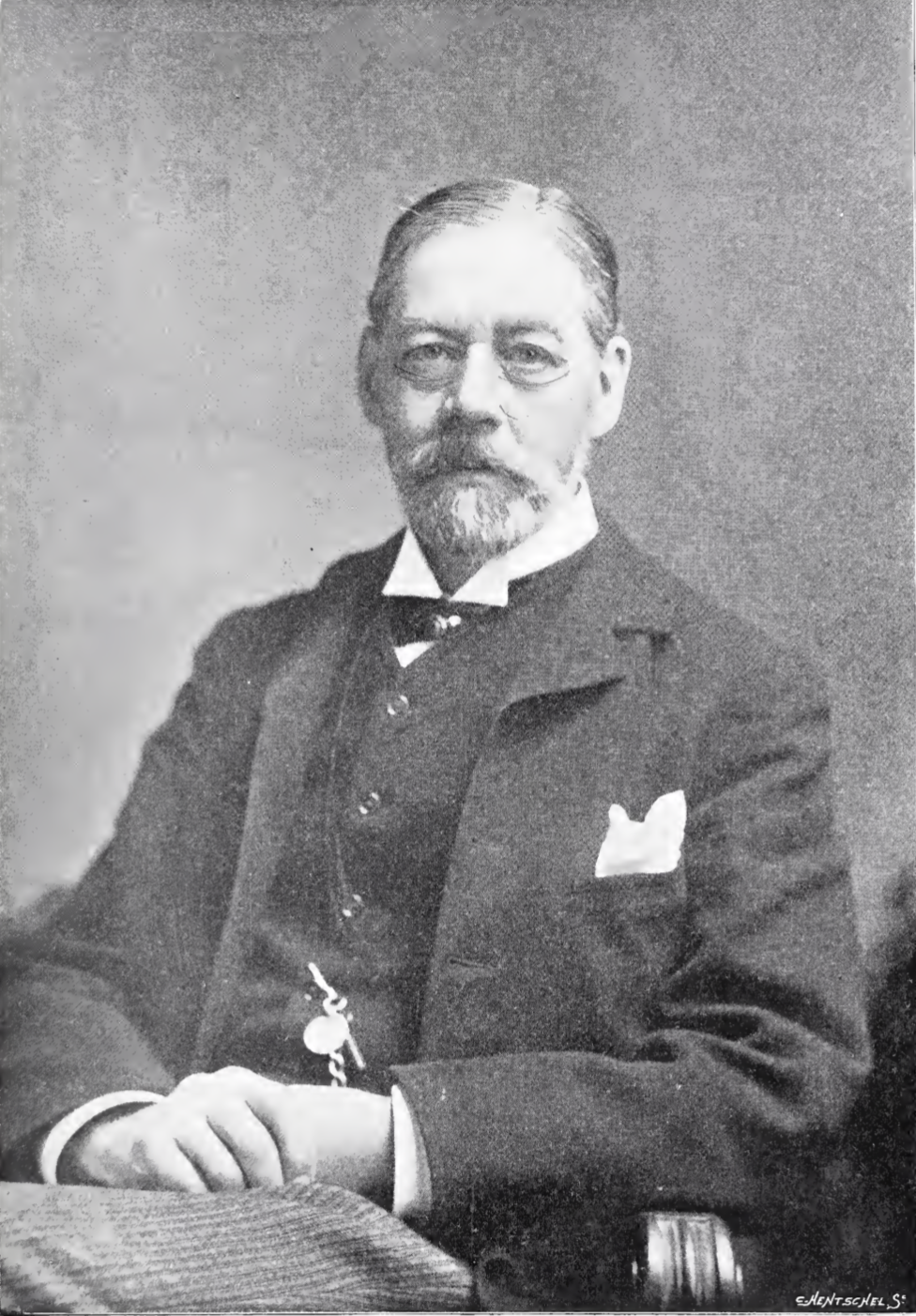
Sir Thomas Graham Jackson, 1st Baronet RA (21 December 1835 – 7 November 1924) was one of the most distinguished British architects of his generation. He is best remembered for his work at Oxford, including the Oxford Military College at Cowley, the university's Examination Schools, most of Hertford College (including the Bridge of Sighs over New College Lane), much of Brasenose College, ranges at Trinity College and Somerville College, the City of Oxford High School for Boys, and the Acland Nursing Home.
Jackson was born in Hampstead, but moved with his parents and sister Emily Jackson to Sevenoaks, Kent in 1872.
Much of his career was devoted to the architecture of education, and he worked extensively for various schools, notably Giggleswick and his own alma mater Brighton College. Jackson designed the former town hall in Tipperary Town, Ireland. He also worked on many parish churches and the college chapel at the University of Wales, Lampeter. He is also famous for designing the chapel (amongst other things) at Radley College.
He was educated at Brighton College and then Wadham College, Oxford, of which he wrote a history, before being articled as a pupil to Sir George Gilbert Scott.
Jackson was a prolific author of carefully researched works in architectural history, often illustrated with sketches made during his extensive travels. Jackson's travels in Dalmatia, in which he was accompanied by his intrepid wife, would result in Dalmatia, the Quarnero and Istria with Cettigne in Montenegro and the island of Grado (3 volumes), published by the Clarendon Press, Oxford, in 1887. It remains today a fundamental source of knowledge of the geography, art, architecture and social life of Dalmatia in those years.
He and Norman Shaw edited Architecture, A Profession or an Art published in 1892, to which William H. White replied by publishing The Architect and his artists, an essay to assist the public in considering the question is architecture a profession or an art.
This had been part of the course of events which resulted in the passing of the Architects (Registration) Acts, 1931 to 1938 which established the statutory Register of Architects and monopolistic restrictions on the use of the vernacular word "architect", imposed with threat of penalty on prosecution for infringement.
In 1889, Jackson was elected as a member of the Art Workers' Guild, and went to be elected Master of the Guild in 1896. In 1892, he was elected as an associate member of the Royal Academy before becoming an elected full member of the Academy in 1896, and holding roles of senior Royal Academician and treasurer.
Thomas Graham Jackson
Sir Thomas Graham Jackson, 1st Baronet RA (21 December 1835 – 7 November 1924) was one of the most distinguished British architects of his generation. He is best remembered for his work at Oxford, including the Oxford Military College at Cowley, the university's Examination Schools, most of Hertford College (including the Bridge of Sighs over New College Lane), much of Brasenose College, ranges at Trinity College and Somerville College, the City of Oxford High School for Boys, and the Acland Nursing Home.
Jackson was born in Hampstead, but moved with his parents and sister Emily Jackson to Sevenoaks, Kent in 1872.
Much of his career was devoted to the architecture of education, and he worked extensively for various schools, notably Giggleswick and his own alma mater Brighton College. Jackson designed the former town hall in Tipperary Town, Ireland. He also worked on many parish churches and the college chapel at the University of Wales, Lampeter. He is also famous for designing the chapel (amongst other things) at Radley College.
He was educated at Brighton College and then Wadham College, Oxford, of which he wrote a history, before being articled as a pupil to Sir George Gilbert Scott.
Jackson was a prolific author of carefully researched works in architectural history, often illustrated with sketches made during his extensive travels. Jackson's travels in Dalmatia, in which he was accompanied by his intrepid wife, would result in Dalmatia, the Quarnero and Istria with Cettigne in Montenegro and the island of Grado (3 volumes), published by the Clarendon Press, Oxford, in 1887. It remains today a fundamental source of knowledge of the geography, art, architecture and social life of Dalmatia in those years.
He and Norman Shaw edited Architecture, A Profession or an Art published in 1892, to which William H. White replied by publishing The Architect and his artists, an essay to assist the public in considering the question is architecture a profession or an art.
This had been part of the course of events which resulted in the passing of the Architects (Registration) Acts, 1931 to 1938 which established the statutory Register of Architects and monopolistic restrictions on the use of the vernacular word "architect", imposed with threat of penalty on prosecution for infringement.
In 1889, Jackson was elected as a member of the Art Workers' Guild, and went to be elected Master of the Guild in 1896. In 1892, he was elected as an associate member of the Royal Academy before becoming an elected full member of the Academy in 1896, and holding roles of senior Royal Academician and treasurer.
Recent media
Recent media