
Recent from talks
Theodore Dreiser
Knowledge base stats:
Talk channels stats:
Members stats:
Theodore Dreiser
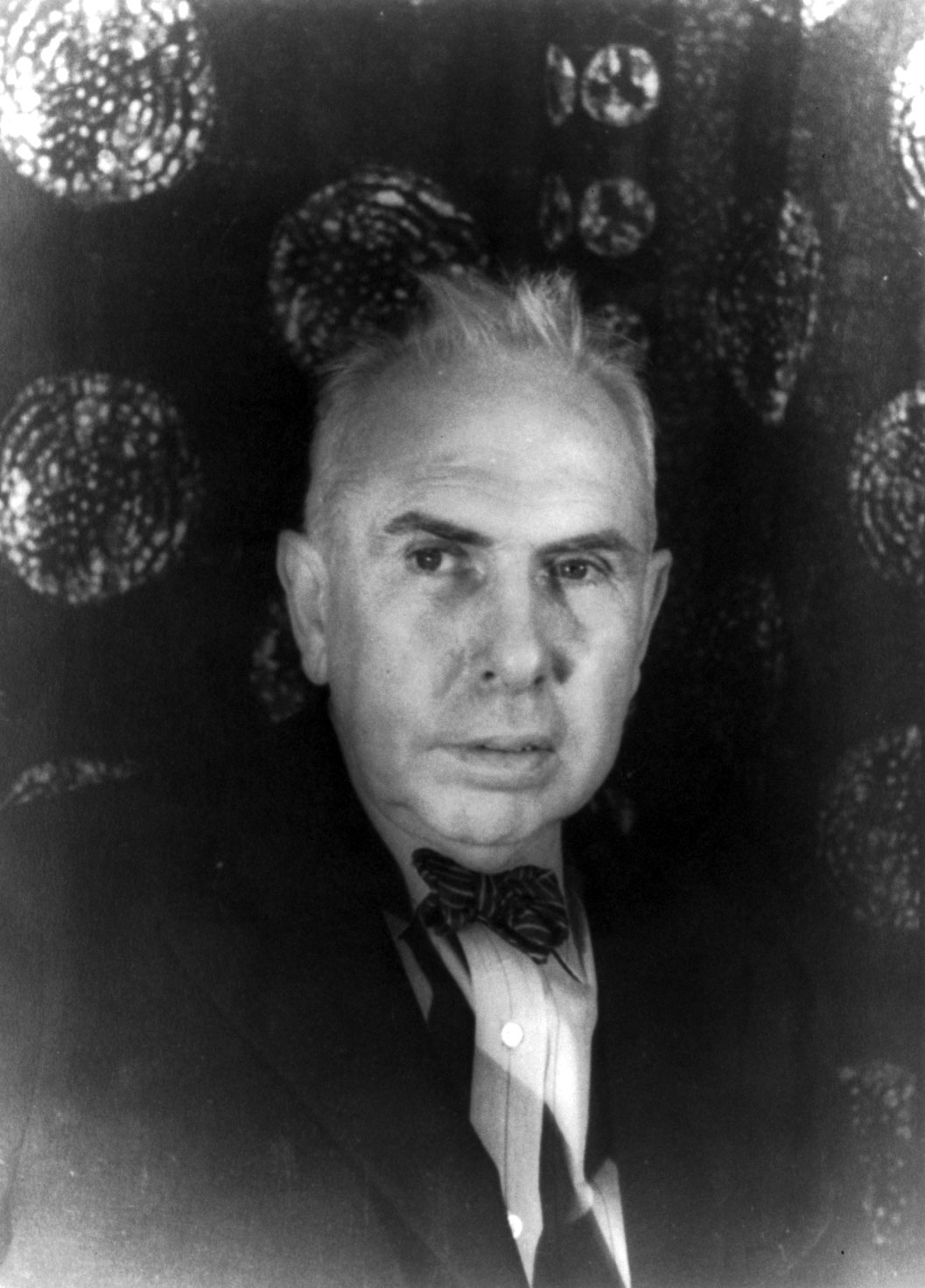
Theodore Herman Albert Dreiser (/ˈdraɪsər, -zər/; August 27, 1871 – December 28, 1945) was an American novelist and journalist of the naturalist school. His novels often featured main characters who succeeded at their objectives despite a lack of a firm moral code, and literary situations that more closely resemble studies of nature than tales of choice and agency. Dreiser's best-known novels include Sister Carrie (1900) and An American Tragedy (1925).
Dreiser was born in Terre Haute, Indiana, to John Paul Dreiser and Sarah Maria (née Schanab). John Dreiser was a German immigrant from Mayen in the Rhine Province of Prussia, and Sarah was from the Mennonite farming community near Dayton, Ohio. Her family disowned her for converting to Roman Catholicism in order to marry John Dreiser. Theodore was the twelfth of thirteen children (the ninth of the ten surviving). Paul Dresser (1857–1906) was one of his older brothers; Paul changed the spelling of his name as he became a popular songwriter. They were raised as Catholics.
According to Daniels, Dreiser's childhood was characterized by severe poverty. His father could be harsh. His later fiction reflects these experiences.
After graduating from high school in Warsaw, Indiana, Dreiser attended Indiana University Bloomington in 1889–1890 without taking a degree.
In 1892, Dreiser started work as a reporter and drama critic for newspapers in Chicago, St. Louis, Toledo, Pittsburgh and New York. During this period he published his first work of fiction, The Return of Genius, which appeared in the Chicago Daily Globe under the name Carl Dreiser. By 1895 he was writing articles for magazines. He authored articles on writers such as Nathaniel Hawthorne, William Dean Howells, Israel Zangwill, and John Burroughs and interviewed public figures such as Andrew Carnegie, Marshall Field, Thomas Edison, and Theodore Thomas. His other interviewees included Lillian Nordica, Emilia E. Barr, Philip Armour, and Alfred Stieglitz.
In 1895, Dreiser convinced business associates of his songwriter brother Paul to give him the editorship of a magazine called Ev'ry Month, in which he published his first story, "Forgotten" a tale based on a song of his brother's titled "The Letter That Never Came". Dreiser continued editing magazines, becoming editor of the women's magazine The Delineator in June 1907. As Daniels noted, he thereby began to achieve financial independence.
During 1899, Dreiser and his first wife Sara stayed with Arthur Henry and his wife Maude Wood Henry at the House of Four Pillars, an 1830s Greek Revival house in Maumee, Ohio. There Dreiser began work on his first novel, Sister Carrie, published in 1900. Unknown to Maude, Arthur sold a half-interest in the house to Dreiser to finance a move to New York without her.
In Sister Carrie, Dreiser portrayed a changing society, writing about a young woman who flees rural life for the city (Chicago), fails to find work that pays a living wage, falls prey to several men, and ultimately achieves fame as an actress. The novel sold poorly and was considered controversial because it featured a country girl who pursues her dreams of fame and fortune through relationships with men. The book has acquired a considerable reputation. It has been called by Donald L. Miller the "greatest of all American urban novels."
Hub AI
Theodore Dreiser AI simulator
(@Theodore Dreiser_simulator)
Theodore Dreiser
Theodore Herman Albert Dreiser (/ˈdraɪsər, -zər/; August 27, 1871 – December 28, 1945) was an American novelist and journalist of the naturalist school. His novels often featured main characters who succeeded at their objectives despite a lack of a firm moral code, and literary situations that more closely resemble studies of nature than tales of choice and agency. Dreiser's best-known novels include Sister Carrie (1900) and An American Tragedy (1925).
Dreiser was born in Terre Haute, Indiana, to John Paul Dreiser and Sarah Maria (née Schanab). John Dreiser was a German immigrant from Mayen in the Rhine Province of Prussia, and Sarah was from the Mennonite farming community near Dayton, Ohio. Her family disowned her for converting to Roman Catholicism in order to marry John Dreiser. Theodore was the twelfth of thirteen children (the ninth of the ten surviving). Paul Dresser (1857–1906) was one of his older brothers; Paul changed the spelling of his name as he became a popular songwriter. They were raised as Catholics.
According to Daniels, Dreiser's childhood was characterized by severe poverty. His father could be harsh. His later fiction reflects these experiences.
After graduating from high school in Warsaw, Indiana, Dreiser attended Indiana University Bloomington in 1889–1890 without taking a degree.
In 1892, Dreiser started work as a reporter and drama critic for newspapers in Chicago, St. Louis, Toledo, Pittsburgh and New York. During this period he published his first work of fiction, The Return of Genius, which appeared in the Chicago Daily Globe under the name Carl Dreiser. By 1895 he was writing articles for magazines. He authored articles on writers such as Nathaniel Hawthorne, William Dean Howells, Israel Zangwill, and John Burroughs and interviewed public figures such as Andrew Carnegie, Marshall Field, Thomas Edison, and Theodore Thomas. His other interviewees included Lillian Nordica, Emilia E. Barr, Philip Armour, and Alfred Stieglitz.
In 1895, Dreiser convinced business associates of his songwriter brother Paul to give him the editorship of a magazine called Ev'ry Month, in which he published his first story, "Forgotten" a tale based on a song of his brother's titled "The Letter That Never Came". Dreiser continued editing magazines, becoming editor of the women's magazine The Delineator in June 1907. As Daniels noted, he thereby began to achieve financial independence.
During 1899, Dreiser and his first wife Sara stayed with Arthur Henry and his wife Maude Wood Henry at the House of Four Pillars, an 1830s Greek Revival house in Maumee, Ohio. There Dreiser began work on his first novel, Sister Carrie, published in 1900. Unknown to Maude, Arthur sold a half-interest in the house to Dreiser to finance a move to New York without her.
In Sister Carrie, Dreiser portrayed a changing society, writing about a young woman who flees rural life for the city (Chicago), fails to find work that pays a living wage, falls prey to several men, and ultimately achieves fame as an actress. The novel sold poorly and was considered controversial because it featured a country girl who pursues her dreams of fame and fortune through relationships with men. The book has acquired a considerable reputation. It has been called by Donald L. Miller the "greatest of all American urban novels."
Recent media