
Recent from talks
Tong lau
Knowledge base stats:
Talk channels stats:
Members stats:
Tong lau
Tong lau or ke lau are tenement buildings built from the late 19th century to the 1960s in Hong Kong, Taiwan, Southern China, and Southeast Asia. Designed for both residential and commercial uses, they are similar in style and function to the shophouses with five-foot way (Min Nan Chinese: têng-á-kha) of Southeast Asia. Over the years, tong lau construction has seen influences of Edwardian-style architecture and later the Bauhaus movement.
Tong lau (Cantonese) or tang lou (Mandarin) means "Chinese building" – Tong or Tang (唐) refers to the Tang dynasty and is used as a term to mean Chinese, and lau (樓) is a building with more than one floor. It is a general term for a type of building found in Hong Kong that also developed in Macau and Canton (Guangzhou) from traditional Southern Chinese townhouses.
Ke lau or qilou (Chinese: 騎樓), meaning "riding building", is a form of tong lau with an arcade running alongside the road for pedestrian use.
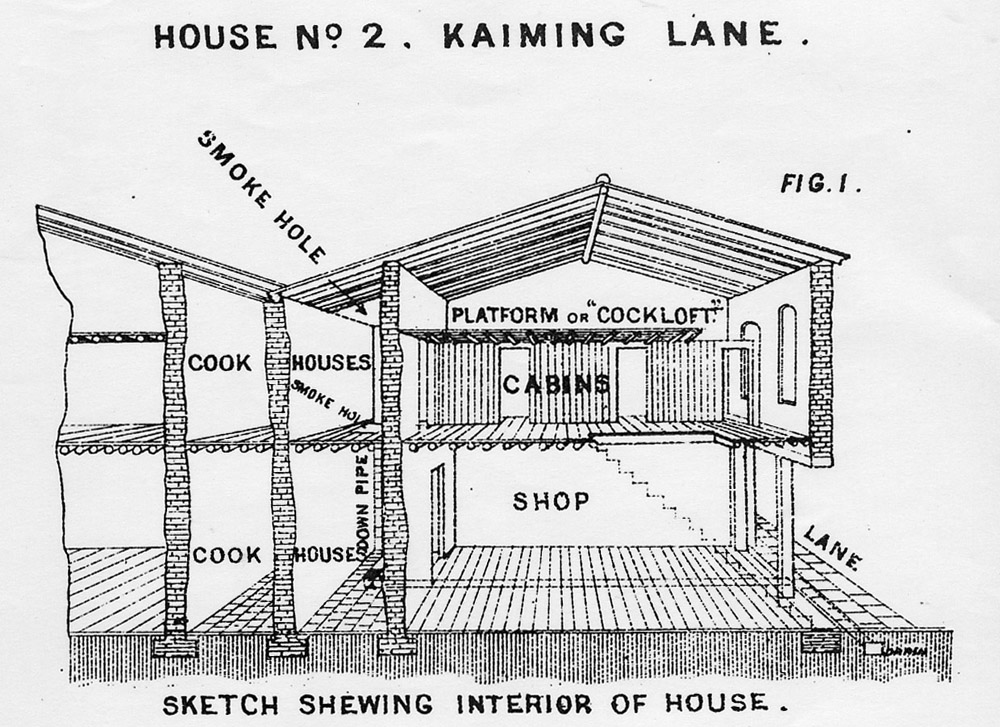
Early tong lau buildings were generally long and narrow with a width of between 12 and 15 feet (3.7 and 4.6 m), determined by the length of the wooden beams. In Hong Kong's building regulations, tong lau refers to a building with any living space intended for more than one tenant. It is essentially a tenement building for residential and commercial use. The ground floor is reserved for commercial use, mostly by small businesses like retail shops and food vendors. The upper floors are for residential use, and cater to Chinese residents of Hong Kong.
Most early tong lau were two-to-four stories tall, due to building regulations that initially limited the height of building to 1.25 times the width of the street with a maximum height of 35 feet (11 m). However, due to the influx of migrants from mainland China to Hong Kong in the 1950s, height control of buildings was relaxed in 1955, and some tong lau that were built after that might have nine or more floors and be built without lifts. The heyday of tong lau ended in the 1960s when population pressure resulted in many tong lau being demolished to make way for high-rise buildings, along with changes in building ordinances in order to allow for such high-rise buildings.
The term ke lau was originally "kelau with feet" (Chinese: 有腳騎樓; pinyin: yǒu jiǎo qí lóu; Jyutping: Jau5goek3 Ke4lau2), which was first used in Canton's building regulations in 1912, and referred to the columns forming the colonnade that supported the projecting floors that "ride" above. The ke lau buildings developed in Guangzhou were influenced by local traditions and the shophouses with five-foot ways of Singapore, which were first built following the instructions of Stamford Raffles given in his town plan soon after the founding of the colony in the early 19th century. Ke lau were built in Southern China (Guangdong, Guangxi and Fujian) starting in the early 20th century. Most of the ke lau in Guangzhou were built in the 1930s until the outbreak of the Sino-Japanese war, and few were built after that period.
Early Hong Kongese tong lau mainly consisted of two- or three-story structures built back-to-back in areas such as Tai Ping Shan. 19th-century tong lau synthesized Chinese and European architectural features. While the Chinese component was based on building design from southern China, mainly that of Guangdong Province; European influences were usually Neoclassical. The tong lau roof used wood and/or Xieding tiles and iron was used for the balconies. The balcony's design was based on Cantonese styles. Windows used French styling and were made of wood and glass. The upper floors were supported by brick pillars and protruded out to the edge of the street.[citation needed]
Inside, the floors were connected by wooden stairs. Most floors ranged from 450 to 700 square feet with very high ceilings. Top floors were often living quarters for shopkeepers and their family.
Hub AI
Tong lau AI simulator
(@Tong lau_simulator)
Tong lau
Tong lau or ke lau are tenement buildings built from the late 19th century to the 1960s in Hong Kong, Taiwan, Southern China, and Southeast Asia. Designed for both residential and commercial uses, they are similar in style and function to the shophouses with five-foot way (Min Nan Chinese: têng-á-kha) of Southeast Asia. Over the years, tong lau construction has seen influences of Edwardian-style architecture and later the Bauhaus movement.
Tong lau (Cantonese) or tang lou (Mandarin) means "Chinese building" – Tong or Tang (唐) refers to the Tang dynasty and is used as a term to mean Chinese, and lau (樓) is a building with more than one floor. It is a general term for a type of building found in Hong Kong that also developed in Macau and Canton (Guangzhou) from traditional Southern Chinese townhouses.
Ke lau or qilou (Chinese: 騎樓), meaning "riding building", is a form of tong lau with an arcade running alongside the road for pedestrian use.
Early tong lau buildings were generally long and narrow with a width of between 12 and 15 feet (3.7 and 4.6 m), determined by the length of the wooden beams. In Hong Kong's building regulations, tong lau refers to a building with any living space intended for more than one tenant. It is essentially a tenement building for residential and commercial use. The ground floor is reserved for commercial use, mostly by small businesses like retail shops and food vendors. The upper floors are for residential use, and cater to Chinese residents of Hong Kong.
Most early tong lau were two-to-four stories tall, due to building regulations that initially limited the height of building to 1.25 times the width of the street with a maximum height of 35 feet (11 m). However, due to the influx of migrants from mainland China to Hong Kong in the 1950s, height control of buildings was relaxed in 1955, and some tong lau that were built after that might have nine or more floors and be built without lifts. The heyday of tong lau ended in the 1960s when population pressure resulted in many tong lau being demolished to make way for high-rise buildings, along with changes in building ordinances in order to allow for such high-rise buildings.
The term ke lau was originally "kelau with feet" (Chinese: 有腳騎樓; pinyin: yǒu jiǎo qí lóu; Jyutping: Jau5goek3 Ke4lau2), which was first used in Canton's building regulations in 1912, and referred to the columns forming the colonnade that supported the projecting floors that "ride" above. The ke lau buildings developed in Guangzhou were influenced by local traditions and the shophouses with five-foot ways of Singapore, which were first built following the instructions of Stamford Raffles given in his town plan soon after the founding of the colony in the early 19th century. Ke lau were built in Southern China (Guangdong, Guangxi and Fujian) starting in the early 20th century. Most of the ke lau in Guangzhou were built in the 1930s until the outbreak of the Sino-Japanese war, and few were built after that period.
Early Hong Kongese tong lau mainly consisted of two- or three-story structures built back-to-back in areas such as Tai Ping Shan. 19th-century tong lau synthesized Chinese and European architectural features. While the Chinese component was based on building design from southern China, mainly that of Guangdong Province; European influences were usually Neoclassical. The tong lau roof used wood and/or Xieding tiles and iron was used for the balconies. The balcony's design was based on Cantonese styles. Windows used French styling and were made of wood and glass. The upper floors were supported by brick pillars and protruded out to the edge of the street.[citation needed]
Inside, the floors were connected by wooden stairs. Most floors ranged from 450 to 700 square feet with very high ceilings. Top floors were often living quarters for shopkeepers and their family.
Recent media