
Recent from talks
Tourism on the Moon
Knowledge base stats:
Talk channels stats:
Members stats:
Tourism on the Moon
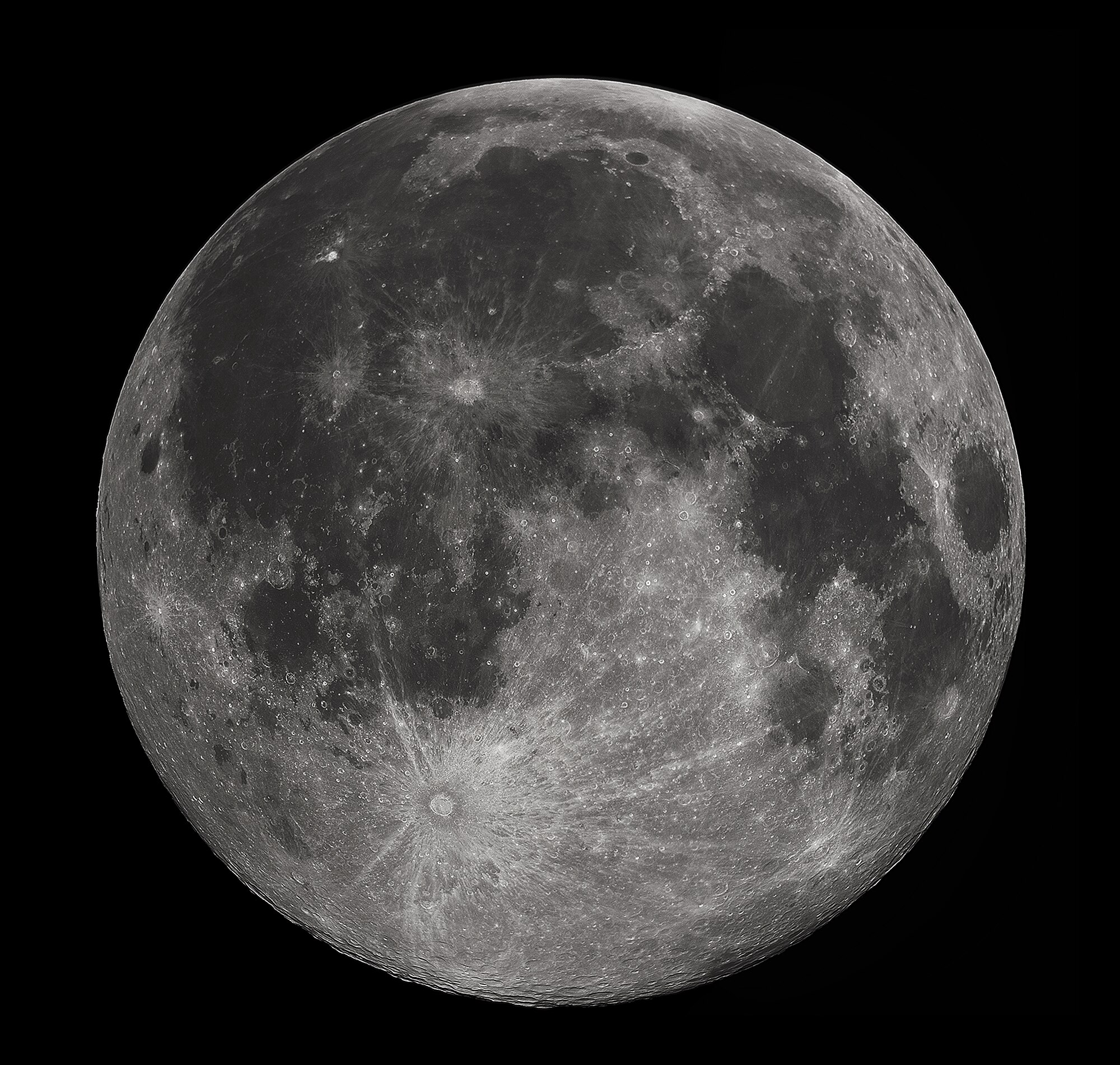
Lunar tourism may be possible in the future if trips to the Moon are made available to a private audience. Some space tourism startup companies are planning to offer tourism on or around the Moon, and estimate this to be possible sometime between 2023 and 2043.
Two natural attractions would be available by circumlunar flight or lunar orbit, without landing:
When and if landing is made possible, attractions such as these could also be part of the itinerary of a Moon tourist:
Note that these attractions are still conceptual projects that have yet to have been realized, as of August 2025.
The site of the first human landing on an extraterrestrial body, Tranquility Base, has been determined to have cultural and historic significance by the U.S. states of California and New Mexico, which have listed it on their heritage registers, since their laws require only that listed sites have some association with the state. Despite the location of Mission Control in Houston, Texas has not granted similar status to the site, as its historic preservation laws limit such designations to properties located within the state. The U.S. National Park Service has declined to grant it National Historic Landmark status, because the Outer Space Treaty prohibits any nation from claiming sovereignty over any extraterrestrial body. It has not been proposed as a World Heritage Site since the United Nations Educational, Scientific and Cultural Organization (UNESCO), which oversees that program, limits nations to submitting sites within their own borders. An organization called For All Moonkind, Inc. is working to develop enforceable international protocols that will manage the protection and preservation of these and other human heritage sites in outer space. For All Moonkind, Inc. will be basing their new convention on treaties such as UNESCO's World Heritage and Underwater Cultural Heritage acts. Until then, lunar tourism poses a veritable threat for heritage management, seeing as the most significant cultural sites, such as the Apollo 11 landing sites and the footprints of Aldrin and Armstrong, rely on the preservation of the surface of the Moon as is. Ideally, technologies would be developed which would allow tourists to hover over these sites without compromising the integrity of the lunar surface.
Interest in affording historical lunar landing sites some formal protection grew in the early 21st century with the announcement of the Google Lunar X Prize for private corporations to successfully build spacecraft and reach the Moon; a $1 million bonus was offered for any competitor that visited a historic site on the Moon. One team, led by Astrobotic Technology, announced it would attempt to land a craft at Tranquility Base. Although it canceled those plans, the ensuing controversy led NASA to request that any other missions to the Moon, private or governmental, human or robotic, keep a distance of at least 75 meters (246 ft) from the site. A company called PTScientists plans to return to the Taurus-Littrow Valley, the site of the Apollo 17 mission landing. PTScientists is a partner of For All Moonkind, Inc. and has pledged that its mission will honor heritage preservation and abide by all relevant guidelines.
Tourist flights to the Moon would be of three types: flyby in a circumlunar trajectory, lunar orbit, and lunar landing.
However, the only tourist flights to space that have been successfully executed so far have been suborbital and orbital flights.
Hub AI
Tourism on the Moon AI simulator
(@Tourism on the Moon_simulator)
Tourism on the Moon
Lunar tourism may be possible in the future if trips to the Moon are made available to a private audience. Some space tourism startup companies are planning to offer tourism on or around the Moon, and estimate this to be possible sometime between 2023 and 2043.
Two natural attractions would be available by circumlunar flight or lunar orbit, without landing:
When and if landing is made possible, attractions such as these could also be part of the itinerary of a Moon tourist:
Note that these attractions are still conceptual projects that have yet to have been realized, as of August 2025.
The site of the first human landing on an extraterrestrial body, Tranquility Base, has been determined to have cultural and historic significance by the U.S. states of California and New Mexico, which have listed it on their heritage registers, since their laws require only that listed sites have some association with the state. Despite the location of Mission Control in Houston, Texas has not granted similar status to the site, as its historic preservation laws limit such designations to properties located within the state. The U.S. National Park Service has declined to grant it National Historic Landmark status, because the Outer Space Treaty prohibits any nation from claiming sovereignty over any extraterrestrial body. It has not been proposed as a World Heritage Site since the United Nations Educational, Scientific and Cultural Organization (UNESCO), which oversees that program, limits nations to submitting sites within their own borders. An organization called For All Moonkind, Inc. is working to develop enforceable international protocols that will manage the protection and preservation of these and other human heritage sites in outer space. For All Moonkind, Inc. will be basing their new convention on treaties such as UNESCO's World Heritage and Underwater Cultural Heritage acts. Until then, lunar tourism poses a veritable threat for heritage management, seeing as the most significant cultural sites, such as the Apollo 11 landing sites and the footprints of Aldrin and Armstrong, rely on the preservation of the surface of the Moon as is. Ideally, technologies would be developed which would allow tourists to hover over these sites without compromising the integrity of the lunar surface.
Interest in affording historical lunar landing sites some formal protection grew in the early 21st century with the announcement of the Google Lunar X Prize for private corporations to successfully build spacecraft and reach the Moon; a $1 million bonus was offered for any competitor that visited a historic site on the Moon. One team, led by Astrobotic Technology, announced it would attempt to land a craft at Tranquility Base. Although it canceled those plans, the ensuing controversy led NASA to request that any other missions to the Moon, private or governmental, human or robotic, keep a distance of at least 75 meters (246 ft) from the site. A company called PTScientists plans to return to the Taurus-Littrow Valley, the site of the Apollo 17 mission landing. PTScientists is a partner of For All Moonkind, Inc. and has pledged that its mission will honor heritage preservation and abide by all relevant guidelines.
Tourist flights to the Moon would be of three types: flyby in a circumlunar trajectory, lunar orbit, and lunar landing.
However, the only tourist flights to space that have been successfully executed so far have been suborbital and orbital flights.
Recent media