
Recent from talks
Užice
Knowledge base stats:
Talk channels stats:
Members stats:
Užice
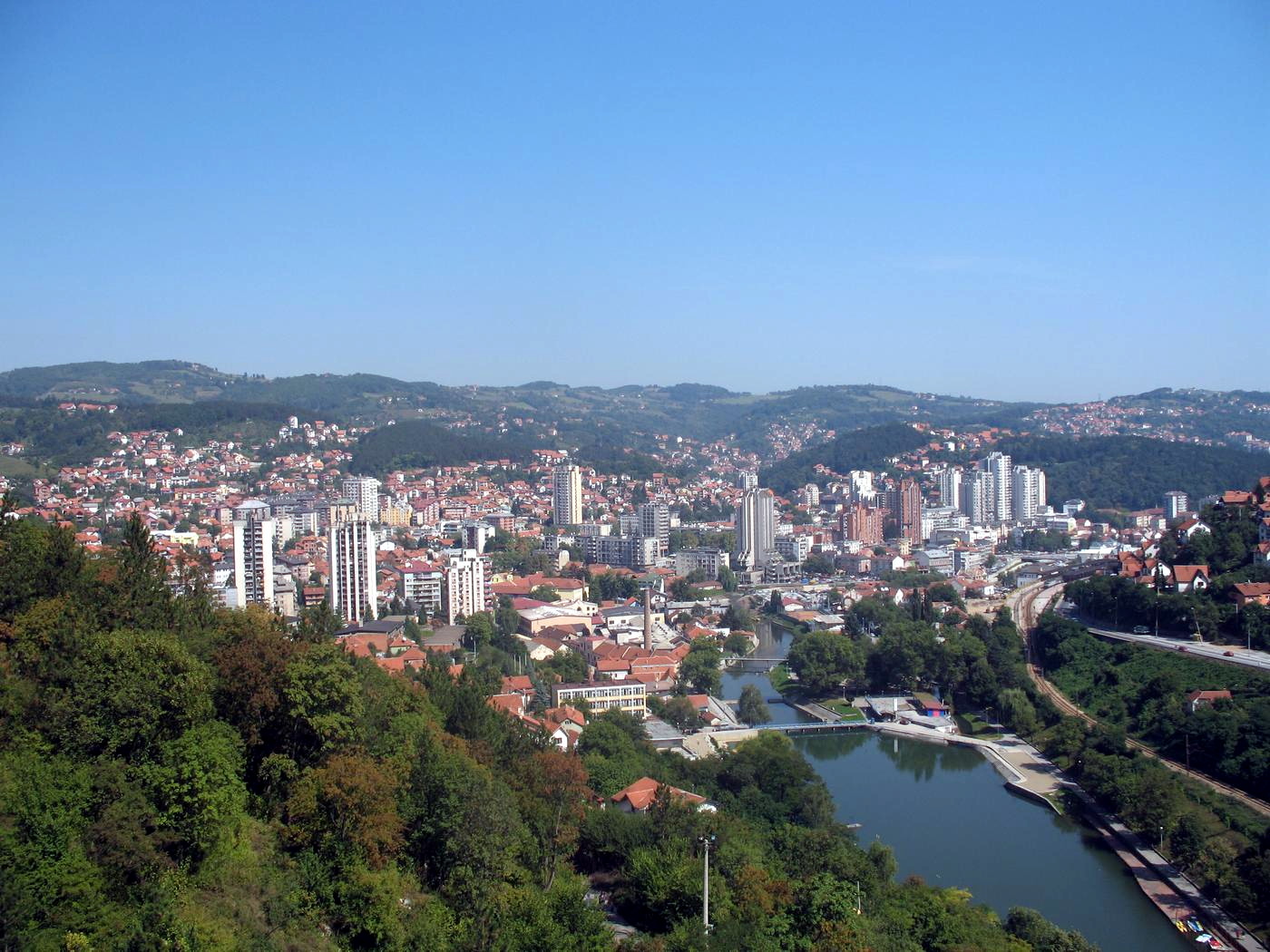
Užice (Serbian Cyrillic: Ужице, pronounced [ûʒit͡se] ⓘ) is a city and the administrative centre of the Zlatibor District in western Serbia. It is located on the banks of the river Đetinja. The City municipality of Užice (Serbian Cyrillic: Градска општина Ужице, romanized: Gradska opština Užice) is one of two city municipalities (with the City municipality of Sevojno) which constitute the City of Užice. According to the 2022 census, the city itself has a population of 48,539 while the city administrative area has 69,997 inhabitants.
The region surrounding Užice was settled by Illyrians, specifically the Parthini and the Celtic-influenced Autariatae tribes. Their tombs are found throughout the region. In the 3rd century BC, the Scordisci featured prominently after the Gallic invasion of the Balkans. The region was conquered by the Roman Empire in 168 BC, and was organized into the province of Illyricum in 32–27 BC and, after 10 AD, the province of Dalmatia. The Roman municipium (town) of Capedunum existed here during Roman times; its name indicates a Celtic origin (dun, fortress), similar to Singidunum, the founding name of Serbia's capital, Belgrade.
The settlement of Slavs in the region has been recorded since the 520s, when Slavic tribes pillaged the Eastern Roman Empire; during Justinian I's rule (527–565), up to 100,000 Slavs raided areas far to the south of the city in Thessalonica. The region (Drina županija) was part of the Vlastimirović dynasty when they established the medieval Principality of Serbia, the first Serb state. Across the Drina, in Bosnia, the army of Časlav fought the invading Magyars in the 950s. The region was annexed by the Byzantine Empire after 969, becoming part of the Catepanate of Ras. Later, the area around the city became a part of the Theme of Sirmium.
The first historical record mentioning Užice by its name dates back to 1329. During the reign of the Serbian Emperor Stefan Dušan, Užice is mentioned as a fortress, under the rule of the Vojinović noble family. After the death of Emperor Dušan the Mighty, in the period known as the 'fall of the Serbian Empire', Užice came under the control of Vojislav Vojinović, a nobleman in the service of Emperor Uroš the Weak. When Vojislav died, his nephew Nikola Altomanović controlled the region. When Uroš died childless, the former Imperial provincial lords begin fighting each other. Serbian Autokrator Lazar Hrebeljanović and Tvrtko I of Bosnia defeated Nikola Altomanović, and divided his lands between themselves. Nikola was blinded in the fortress on the orders of Stefan Musić. Užice came under the control of Lazar, then the Serbian Despotate under his son Stefan Lazarević.
Užice fell to the Ottoman Turks in 1463 and formed part of the Sanjak of Smederevo. It served as an important civilian and military locality for the Ottoman Empire, with the first Ottoman census in 1476-1478 listing Užice as a village. By the late 15th century, Ottoman authorities invested in the restoration of the local fortress and encouraged migration into Užice, turning the once village into a town. By the start of the 16th century, Užice became an administrative capital with a majority Turkish population. Local building's were erected in line with Ottoman architecture and a small Christian population lived in the mahallah of Carina. In 1690 during the Great Turkish War, Habsburg forces captured Užice and the city fell within the realms of Habsburg-occupied Serbia. The Great Turkish War and subsequent retreat of Habsburg forces uprooted the local Serbian population, with much of the Serbian population leaving Užice as part of the Great Migrations of the Serbs. During the Serbian Revolution, Užice fell to rebel forces; however, the city was recaptured by Ottoman forces in 1813. In 1844, the demographic makeup of the city consisted of 3,695 Turks and 707 Serbs, with the city housing one Serbian Orthodox church and 35 Islamic mosques. Between 1875 and 1877 during the Herzegovina uprising, Užice served as the main refuge site for Serbs fleeing Herzegovina. This mass migration, coupled with the mass emigration of the local Turks significantly changed the ethnic makeup of the town.
Užice was the first town in Serbia and one of the first towns in Europe with a hydroelectric power plant producing alternating current. It was built on the Đetinja river in 1900. In 1913, the first railway line was constructed into Užice, connecting the town to the Belgrade-Niš railway, via Stalać. In 1925, the railway was extended to Višegrad, connecting Belgrade to the Adriatic Sea.
In 1941, after Nazi occupation, Užice was liberated by the Yugoslav Partisans, who chose it as the capital of the Republic of Užice. This republic was a short-lived military mini-state that existed in the autumn of 1941 in the western part of Nazi-occupied Serbia.
The Republic of Užice comprised most of western Serbia, with a population of more than 300,000 people. It was located between the Skrapež river in the north, the river Drina in the west, the river Zapadna Morava in the east, and the Uvac river in the south.
Hub AI
Užice AI simulator
(@Užice_simulator)
Užice
Užice (Serbian Cyrillic: Ужице, pronounced [ûʒit͡se] ⓘ) is a city and the administrative centre of the Zlatibor District in western Serbia. It is located on the banks of the river Đetinja. The City municipality of Užice (Serbian Cyrillic: Градска општина Ужице, romanized: Gradska opština Užice) is one of two city municipalities (with the City municipality of Sevojno) which constitute the City of Užice. According to the 2022 census, the city itself has a population of 48,539 while the city administrative area has 69,997 inhabitants.
The region surrounding Užice was settled by Illyrians, specifically the Parthini and the Celtic-influenced Autariatae tribes. Their tombs are found throughout the region. In the 3rd century BC, the Scordisci featured prominently after the Gallic invasion of the Balkans. The region was conquered by the Roman Empire in 168 BC, and was organized into the province of Illyricum in 32–27 BC and, after 10 AD, the province of Dalmatia. The Roman municipium (town) of Capedunum existed here during Roman times; its name indicates a Celtic origin (dun, fortress), similar to Singidunum, the founding name of Serbia's capital, Belgrade.
The settlement of Slavs in the region has been recorded since the 520s, when Slavic tribes pillaged the Eastern Roman Empire; during Justinian I's rule (527–565), up to 100,000 Slavs raided areas far to the south of the city in Thessalonica. The region (Drina županija) was part of the Vlastimirović dynasty when they established the medieval Principality of Serbia, the first Serb state. Across the Drina, in Bosnia, the army of Časlav fought the invading Magyars in the 950s. The region was annexed by the Byzantine Empire after 969, becoming part of the Catepanate of Ras. Later, the area around the city became a part of the Theme of Sirmium.
The first historical record mentioning Užice by its name dates back to 1329. During the reign of the Serbian Emperor Stefan Dušan, Užice is mentioned as a fortress, under the rule of the Vojinović noble family. After the death of Emperor Dušan the Mighty, in the period known as the 'fall of the Serbian Empire', Užice came under the control of Vojislav Vojinović, a nobleman in the service of Emperor Uroš the Weak. When Vojislav died, his nephew Nikola Altomanović controlled the region. When Uroš died childless, the former Imperial provincial lords begin fighting each other. Serbian Autokrator Lazar Hrebeljanović and Tvrtko I of Bosnia defeated Nikola Altomanović, and divided his lands between themselves. Nikola was blinded in the fortress on the orders of Stefan Musić. Užice came under the control of Lazar, then the Serbian Despotate under his son Stefan Lazarević.
Užice fell to the Ottoman Turks in 1463 and formed part of the Sanjak of Smederevo. It served as an important civilian and military locality for the Ottoman Empire, with the first Ottoman census in 1476-1478 listing Užice as a village. By the late 15th century, Ottoman authorities invested in the restoration of the local fortress and encouraged migration into Užice, turning the once village into a town. By the start of the 16th century, Užice became an administrative capital with a majority Turkish population. Local building's were erected in line with Ottoman architecture and a small Christian population lived in the mahallah of Carina. In 1690 during the Great Turkish War, Habsburg forces captured Užice and the city fell within the realms of Habsburg-occupied Serbia. The Great Turkish War and subsequent retreat of Habsburg forces uprooted the local Serbian population, with much of the Serbian population leaving Užice as part of the Great Migrations of the Serbs. During the Serbian Revolution, Užice fell to rebel forces; however, the city was recaptured by Ottoman forces in 1813. In 1844, the demographic makeup of the city consisted of 3,695 Turks and 707 Serbs, with the city housing one Serbian Orthodox church and 35 Islamic mosques. Between 1875 and 1877 during the Herzegovina uprising, Užice served as the main refuge site for Serbs fleeing Herzegovina. This mass migration, coupled with the mass emigration of the local Turks significantly changed the ethnic makeup of the town.
Užice was the first town in Serbia and one of the first towns in Europe with a hydroelectric power plant producing alternating current. It was built on the Đetinja river in 1900. In 1913, the first railway line was constructed into Užice, connecting the town to the Belgrade-Niš railway, via Stalać. In 1925, the railway was extended to Višegrad, connecting Belgrade to the Adriatic Sea.
In 1941, after Nazi occupation, Užice was liberated by the Yugoslav Partisans, who chose it as the capital of the Republic of Užice. This republic was a short-lived military mini-state that existed in the autumn of 1941 in the western part of Nazi-occupied Serbia.
The Republic of Užice comprised most of western Serbia, with a population of more than 300,000 people. It was located between the Skrapež river in the north, the river Drina in the west, the river Zapadna Morava in the east, and the Uvac river in the south.
Recent media