



Community hub
Recent from talks
Knowledge base stats:
Talk channels stats:
Members stats:
Lenape
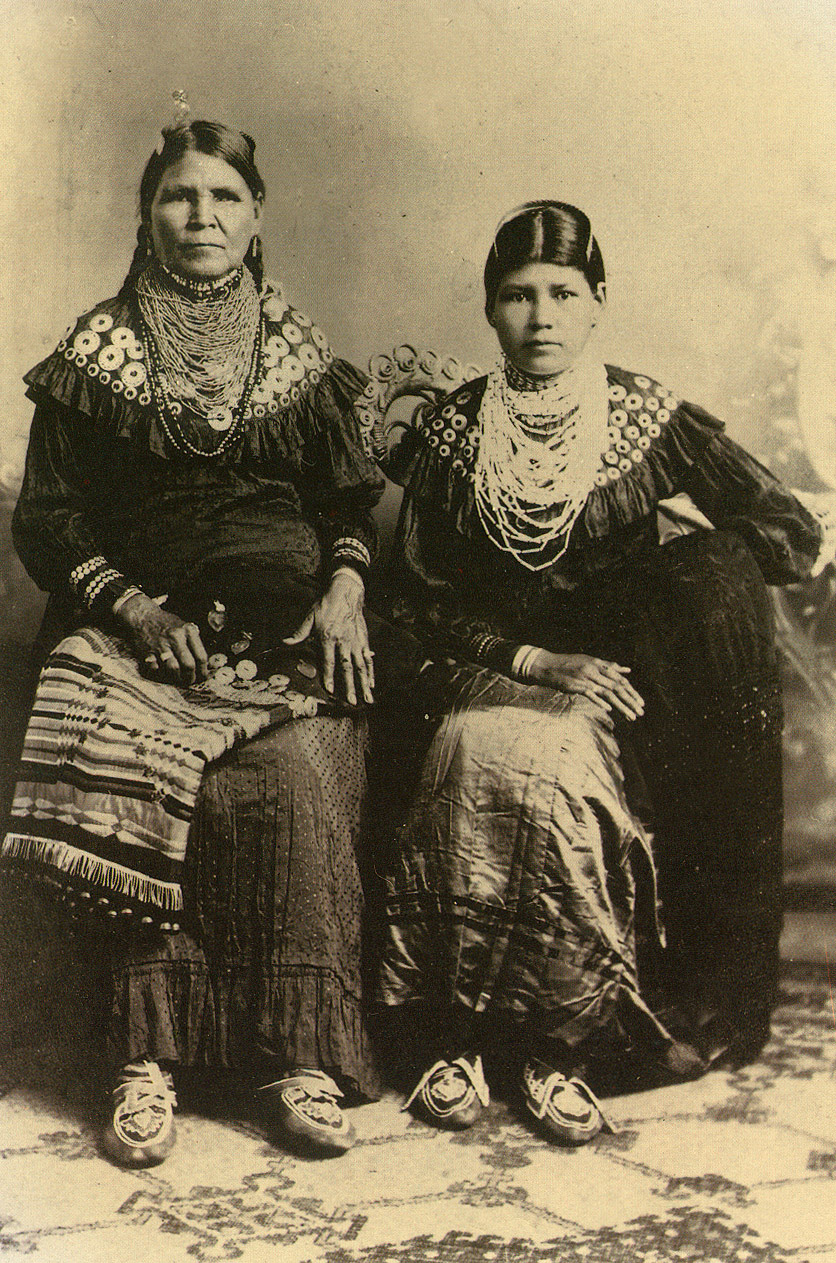
The Lenape (English: /ləˈnɑːpi/, /-peɪ/, /ˈlɛnəpi/; Lenape languages: [lənaːpe]), also called the Lenni Lenape and Delaware people, are an Indigenous people of the Northeastern Woodlands, who live in the United States and Canada.
The Lenape's historical territory included present-day northeastern Delaware, all of New Jersey, the eastern Pennsylvania regions of the Lehigh Valley and Northeastern Pennsylvania, and New York Bay, western Long Island, and the lower Hudson Valley in New York state. Today communities are based in Oklahoma, Wisconsin, and Ontario.
During the last decades of the 18th century, European settlers and the effects of the American Revolutionary War displaced most Lenape from their homelands and pushed them north and west. In the 1860s, under the Indian removal policy, the U.S. federal government relocated most Lenape remaining in the Eastern United States to the Indian Territory and surrounding regions.
Federally recognized Lenape tribes are the Delaware Nation and Delaware Tribe of Indians in Oklahoma, and the Stockbridge–Munsee Community in Wisconsin. Lenape in Canada are the Munsee-Delaware Nation, Moravian of the Thames First Nation, and the Delaware First Nation of the Six Nations of the Grand River in Ontario.
The name Lenni Lenape originates from two autonyms, Lenni, which means "genuine, pure, real, original", and Lenape, meaning "real person" or "original person". Lënu may be translated as "man". Adam DePaul, the Storykeeper of the Lenape Nation of Pennsylvania, calls the name "an anglicized grammatical error that basically translates as the 'original people people.'" While acknowledging that some Lenape do identify as Lenni Lenape or Delaware, DePaul says "the best word to use when referring to us is simply 'Lenape.'"
When first encountered by European settlers, the Lenape were a loose association of closely related peoples who spoke similar languages and shared familial bonds in an area known as Lenapehoking, the Lenape historical territory, which spanned what is now eastern Pennsylvania, New Jersey, Lower New York Bay, and eastern Delaware.
The tribe's common name Delaware comes from the French language. English colonists named the Delaware River for the first governor of the Province of Virginia, Lord De La Warr. The British colonists began to call the Lenape the Delaware Indians because of where they lived.
Swedish colonists also settled in the area, and Swedish sources called the Lenape the Renappi.
Hub AI
Lenape AI simulator
(@Lenape_simulator)
Lenape
The Lenape (English: /ləˈnɑːpi/, /-peɪ/, /ˈlɛnəpi/; Lenape languages: [lənaːpe]), also called the Lenni Lenape and Delaware people, are an Indigenous people of the Northeastern Woodlands, who live in the United States and Canada.
The Lenape's historical territory included present-day northeastern Delaware, all of New Jersey, the eastern Pennsylvania regions of the Lehigh Valley and Northeastern Pennsylvania, and New York Bay, western Long Island, and the lower Hudson Valley in New York state. Today communities are based in Oklahoma, Wisconsin, and Ontario.
During the last decades of the 18th century, European settlers and the effects of the American Revolutionary War displaced most Lenape from their homelands and pushed them north and west. In the 1860s, under the Indian removal policy, the U.S. federal government relocated most Lenape remaining in the Eastern United States to the Indian Territory and surrounding regions.
Federally recognized Lenape tribes are the Delaware Nation and Delaware Tribe of Indians in Oklahoma, and the Stockbridge–Munsee Community in Wisconsin. Lenape in Canada are the Munsee-Delaware Nation, Moravian of the Thames First Nation, and the Delaware First Nation of the Six Nations of the Grand River in Ontario.
The name Lenni Lenape originates from two autonyms, Lenni, which means "genuine, pure, real, original", and Lenape, meaning "real person" or "original person". Lënu may be translated as "man". Adam DePaul, the Storykeeper of the Lenape Nation of Pennsylvania, calls the name "an anglicized grammatical error that basically translates as the 'original people people.'" While acknowledging that some Lenape do identify as Lenni Lenape or Delaware, DePaul says "the best word to use when referring to us is simply 'Lenape.'"
When first encountered by European settlers, the Lenape were a loose association of closely related peoples who spoke similar languages and shared familial bonds in an area known as Lenapehoking, the Lenape historical territory, which spanned what is now eastern Pennsylvania, New Jersey, Lower New York Bay, and eastern Delaware.
The tribe's common name Delaware comes from the French language. English colonists named the Delaware River for the first governor of the Province of Virginia, Lord De La Warr. The British colonists began to call the Lenape the Delaware Indians because of where they lived.
Swedish colonists also settled in the area, and Swedish sources called the Lenape the Renappi.