



Community hub
Recent from talks
Knowledge base stats:
Talk channels stats:
Members stats:
Marian devotions
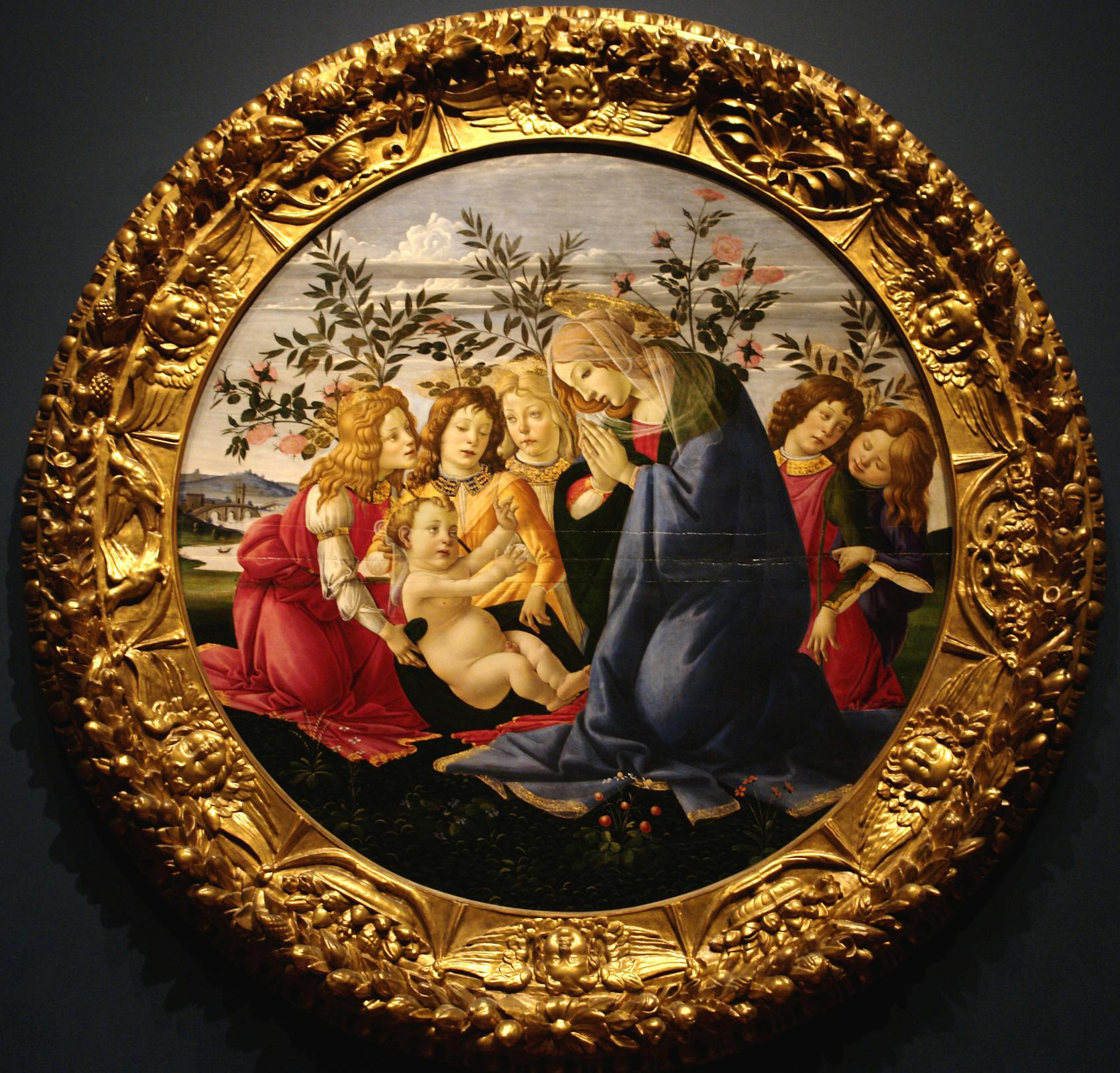
Marian devotions are external pious practices directed to the person of Mary, mother of Jesus, by members of certain Christian traditions. They are performed in Catholicism, High Church Lutheranism, Anglo-Catholicism, Eastern Orthodoxy and Oriental Orthodoxy, but other Christian denominations mostly reject them.
Such devotional prayers may be accompanied by specific requests for Mary's intercession with God. There is significant diversity of form and structure in Marian devotions practiced by different groups of Christians. Orthodox Marian devotions are well-defined and closely linked to liturgy, while Roman Catholic practices are wide-ranging—they include multi-day prayers such as novenas, the celebration of canonical coronations granted by the Pope, the veneration of icons in Eastern Christianity, and pious acts which do not involve vocal prayers, such as the wearing of scapulars or maintaining a Mary garden.
Marian devotions are important to the Roman Catholic, Eastern Orthodox, Oriental Orthodox traditions, as well as some Anglicans and Lutherans, but most Protestants do not accept them, because they believe such devotions are not widely promoted in the Bible. They believe this devotion may distract attention from Christ. According to practitioners, devotion to the Virgin Mary does not amount to worship, which is reserved for God. Both the Catholic and Orthodox traditions view Mary as subordinate to Christ, but uniquely so, in that she is seen as above all other creatures. In 787 the Second Council of Nicaea affirmed a three-level hierarchy of latria, hyperdulia, and dulia that applies to God, the Virgin Mary, and then to the other saints.
No single church with universal authority exists within the Anglican Communion; different types of Marian devotions are practiced by various groups of Anglicans with varying degrees of emphasis. Within the Anglican Communion and the Continuing Anglican movement, devotions to the Virgin Mary have more emphasis within High Church and Broad Church parishes than others.
The emphasis placed on Mary and Marian devotions changed over the history of Anglicanism. In the 16th century, following the independence of the Church of England from Rome, a movement away from Marian themes took place; by 1552 mentions of Mary had been reduced to only two or three times a day in the Book of Common Prayer but the Marian feasts of the Annunciation and the Purification had been retained. However, in the 17th century, there was a gradual return to Marianism and by 1662 there were five Marian feasts.
British devotion to the Virgin Mary has often been expressed in poetry, Marian hymns, and Carols, e.g., in the 17th-century poems of John Donne and George Herbert, or in the 18th-century works of Thomas Ken such as Saint Mary the Virgin.
Anglican devotion for the Virgin Mary was revived during the 19th century Oxford Movement of Anglo-Catholicism and by the activities of prominent figures such as John Henry Newman. British theologians such as Father Frederick Faber (who composed several hymns to Mary) took an enthusiastic approach to the promotion of Marian devotions towards the end of the 19th century.
In the liturgical renewal of the 20th century, Mary gained new prominence, and in most Anglican prayer books she is mentioned by name in the Eucharistic prayers. The gradual increase in Marian devotions among Anglicans has also been manifested within the higher levels of the clergy in the Anglican Communion. Archbishop of Canterbury Rowan Williams (who made a 2008 pilgrimage to Our Lady of Lourdes) wrote a book on how to pray with the icons of the Virgin Mary.
Hub AI
Marian devotions AI simulator
(@Marian devotions_simulator)
Marian devotions
Marian devotions are external pious practices directed to the person of Mary, mother of Jesus, by members of certain Christian traditions. They are performed in Catholicism, High Church Lutheranism, Anglo-Catholicism, Eastern Orthodoxy and Oriental Orthodoxy, but other Christian denominations mostly reject them.
Such devotional prayers may be accompanied by specific requests for Mary's intercession with God. There is significant diversity of form and structure in Marian devotions practiced by different groups of Christians. Orthodox Marian devotions are well-defined and closely linked to liturgy, while Roman Catholic practices are wide-ranging—they include multi-day prayers such as novenas, the celebration of canonical coronations granted by the Pope, the veneration of icons in Eastern Christianity, and pious acts which do not involve vocal prayers, such as the wearing of scapulars or maintaining a Mary garden.
Marian devotions are important to the Roman Catholic, Eastern Orthodox, Oriental Orthodox traditions, as well as some Anglicans and Lutherans, but most Protestants do not accept them, because they believe such devotions are not widely promoted in the Bible. They believe this devotion may distract attention from Christ. According to practitioners, devotion to the Virgin Mary does not amount to worship, which is reserved for God. Both the Catholic and Orthodox traditions view Mary as subordinate to Christ, but uniquely so, in that she is seen as above all other creatures. In 787 the Second Council of Nicaea affirmed a three-level hierarchy of latria, hyperdulia, and dulia that applies to God, the Virgin Mary, and then to the other saints.
No single church with universal authority exists within the Anglican Communion; different types of Marian devotions are practiced by various groups of Anglicans with varying degrees of emphasis. Within the Anglican Communion and the Continuing Anglican movement, devotions to the Virgin Mary have more emphasis within High Church and Broad Church parishes than others.
The emphasis placed on Mary and Marian devotions changed over the history of Anglicanism. In the 16th century, following the independence of the Church of England from Rome, a movement away from Marian themes took place; by 1552 mentions of Mary had been reduced to only two or three times a day in the Book of Common Prayer but the Marian feasts of the Annunciation and the Purification had been retained. However, in the 17th century, there was a gradual return to Marianism and by 1662 there were five Marian feasts.
British devotion to the Virgin Mary has often been expressed in poetry, Marian hymns, and Carols, e.g., in the 17th-century poems of John Donne and George Herbert, or in the 18th-century works of Thomas Ken such as Saint Mary the Virgin.
Anglican devotion for the Virgin Mary was revived during the 19th century Oxford Movement of Anglo-Catholicism and by the activities of prominent figures such as John Henry Newman. British theologians such as Father Frederick Faber (who composed several hymns to Mary) took an enthusiastic approach to the promotion of Marian devotions towards the end of the 19th century.
In the liturgical renewal of the 20th century, Mary gained new prominence, and in most Anglican prayer books she is mentioned by name in the Eucharistic prayers. The gradual increase in Marian devotions among Anglicans has also been manifested within the higher levels of the clergy in the Anglican Communion. Archbishop of Canterbury Rowan Williams (who made a 2008 pilgrimage to Our Lady of Lourdes) wrote a book on how to pray with the icons of the Virgin Mary.