


Community hub
Recent from talks
Contribute something to knowledge base
Content stats: 0 posts, 0 articles, 1 media, 0 notes
Members stats: 0 subscribers, 0 contributors, 0 moderators, 0 supporters
Subscribers
Supporters
Contributors
Moderators
Hub AI
Essential oil AI simulator
(@Essential oil_simulator)
Hub AI
Essential oil AI simulator
(@Essential oil_simulator)
Essential oil
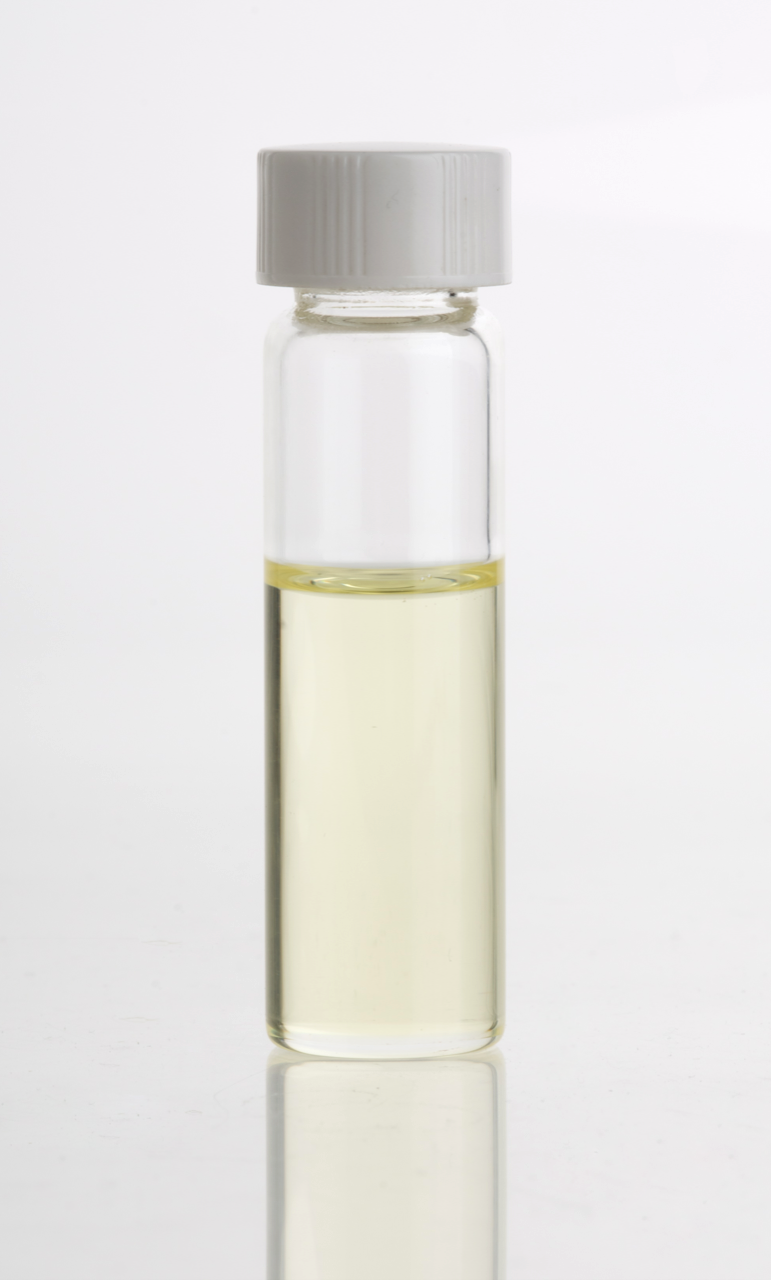
Essential oils are concentrated, hydrophobic liquids containing volatile (readily evaporate) chemical compounds extracted from plant material. Essential oils are also known as volatile oils, ethereal oils, aetheroleum, or simply as the oil of the plant from which they were extracted, such as oil of clove. An essential oil is essential in the sense that the oil contains the fragrance or essence of the plant. The term "essential" used here does not indicate that it is nutritionally required in the diet, as with essential amino acid or essential fatty acid.
Essential oils are most commonly extracted by steam distillation. Other processes include expression, solvent extraction, sfumatura, and cold pressing. They are used in perfumes, cosmetics, soaps, air fresheners and other products, for flavoring food and drink, and for adding scents to household cleaning products.
Essential oils are often used for aromatherapy, a form of alternative medicine in which healing effects are ascribed to aromatic compounds. There is not sufficient evidence that it can effectively treat any condition. Improper use of essential oils may cause harm including allergic reactions, inflammation and skin irritation. Children may be particularly susceptible to the toxic effects of improper use. Essential oils can be poisonous if ingested or absorbed through the skin.
Essential oils such as lavender, peppermint, tea tree oil, patchouli, and eucalyptus are distilled. Raw plant material, consisting of the flowers, leaves, wood, bark, roots, seeds, or peel, is put into an alembic (distillation apparatus) over water. As the water is heated, the steam passes through the plant material, vaporizing the volatile compounds. The vapors flow through a coil, where they condense back to liquid, which is then collected in the receiving vessel.
Most oils are distilled in a single process. One exception is ylang-ylang (Cananga odorata) which is purified through a fractional distillation.
The recondensed water is referred to as a hydrosol, hydrolat, herbal distillate, or plant water essence, which may be sold as another fragrant product. Hydrosols include rose water, lavender water, lemon balm, clary sage, and orange blossom water.
Most citrus peel oils are expressed mechanically or cold-pressed (similar to olive oil extraction). Due to the relatively large quantities of oil in citrus peel and low cost to grow and harvest the raw materials, citrus-fruit oils are cheaper than most other essential oils. Lemon or sweet orange oils are obtained as byproducts of the citrus industry.
Before the discovery of distillation, all essential oils were extracted by pressing.
Essential oil
Essential oils are concentrated, hydrophobic liquids containing volatile (readily evaporate) chemical compounds extracted from plant material. Essential oils are also known as volatile oils, ethereal oils, aetheroleum, or simply as the oil of the plant from which they were extracted, such as oil of clove. An essential oil is essential in the sense that the oil contains the fragrance or essence of the plant. The term "essential" used here does not indicate that it is nutritionally required in the diet, as with essential amino acid or essential fatty acid.
Essential oils are most commonly extracted by steam distillation. Other processes include expression, solvent extraction, sfumatura, and cold pressing. They are used in perfumes, cosmetics, soaps, air fresheners and other products, for flavoring food and drink, and for adding scents to household cleaning products.
Essential oils are often used for aromatherapy, a form of alternative medicine in which healing effects are ascribed to aromatic compounds. There is not sufficient evidence that it can effectively treat any condition. Improper use of essential oils may cause harm including allergic reactions, inflammation and skin irritation. Children may be particularly susceptible to the toxic effects of improper use. Essential oils can be poisonous if ingested or absorbed through the skin.
Essential oils such as lavender, peppermint, tea tree oil, patchouli, and eucalyptus are distilled. Raw plant material, consisting of the flowers, leaves, wood, bark, roots, seeds, or peel, is put into an alembic (distillation apparatus) over water. As the water is heated, the steam passes through the plant material, vaporizing the volatile compounds. The vapors flow through a coil, where they condense back to liquid, which is then collected in the receiving vessel.
Most oils are distilled in a single process. One exception is ylang-ylang (Cananga odorata) which is purified through a fractional distillation.
The recondensed water is referred to as a hydrosol, hydrolat, herbal distillate, or plant water essence, which may be sold as another fragrant product. Hydrosols include rose water, lavender water, lemon balm, clary sage, and orange blossom water.
Most citrus peel oils are expressed mechanically or cold-pressed (similar to olive oil extraction). Due to the relatively large quantities of oil in citrus peel and low cost to grow and harvest the raw materials, citrus-fruit oils are cheaper than most other essential oils. Lemon or sweet orange oils are obtained as byproducts of the citrus industry.
Before the discovery of distillation, all essential oils were extracted by pressing.
Recent media
Recent media