Hubbry Logo
CitrusCitrusMain
Open search
Citrus
Community hub
Citrus
logo
8 pages, 0 posts
0 subscribers
Be the first to start a discussion here.
Citrus
Citrus
from Wikipedia

Citrus
Temporal range: Tortonian–Present, 8–0 Ma[1]
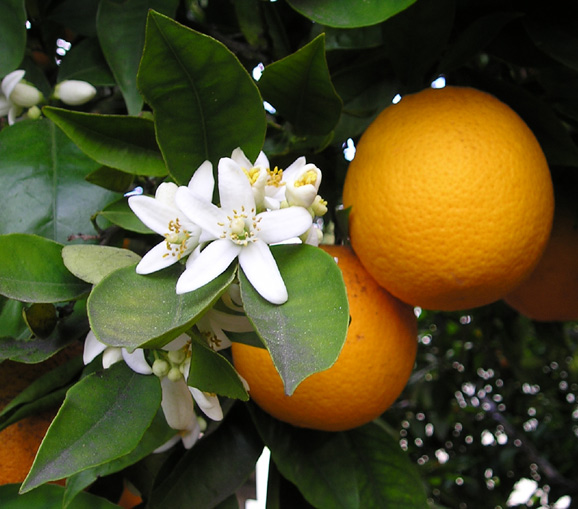
Sweet orange (Citrus × sinensis cultivar)
Scientific classification Edit this classification
Kingdom: Plantae
Clade: Tracheophytes
Clade: Angiosperms
Clade: Eudicots
Clade: Rosids
Order: Sapindales
Family: Rutaceae
Subfamily: Aurantioideae
Genus: Citrus
L.
Species and hybrids

Ancestral species:
Citrus maximaPomelo
Citrus medicaCitron
Citrus reticulataMandarin orange
Citrus micrantha – a papeda
Citrus hystrixKaffir lime
Citrus cavalerieiIchang papeda
Citrus japonicaKumquat


Important hybrids:
Citrus × aurantiifoliaKey lime
Citrus × aurantiumBitter orange
Citrus × latifoliaPersian lime
Citrus × limonLemon
Citrus × limoniaRangpur
Citrus × paradisiGrapefruit
Citrus × sinensisSweet orange
Citrus × tangerinaTangerine
See also List of citrus fruits.

Synonyms[2]
  • Aurantium Mill.
  • Citreum Mill.
  • ×Citrofortunella J.W.Ingram & H.E.Moore
  • ×Citroncirus J.W.Ingram & H.E.Moore
  • Citrophorum Neck.
  • Eremocitrus Swingle
  • Feroniella Swingle
  • Fortunella Swingle
  • Limon Mill.
  • Microcitrus Swingle
  • Oxanthera Montrouz.
  • Papeda Hassk.
  • Pleurocitrus Tanaka
  • Poncirus Raf.
  • Pseudaegle Miq.
  • Sarcodactilis C.F.Gaertn.

Citrus is a genus of flowering trees and shrubs in the family Rutaceae. Plants in the genus produce citrus fruits, such as citrons, mandarins, and pomelos. Many important citrus crops have been developed through extensive hybridization, including oranges, lemons, grapefruits, and limes, all of which have many cultivars.

Citrus is native to South Asia, East Asia, Southeast Asia, Melanesia, and Australia. Indigenous people in these areas have used and domesticated various species since ancient times. Its cultivation first spread into Micronesia and Polynesia through the Austronesian expansion (c. 3000–1500 BCE). Later, it was spread to the Middle East and the Mediterranean (c. 1200 BCE) via the incense trade route, and then from Europe to the Americas.

Renowned for their highly fragrant aromas and complex flavor, citrus are among the most popular fruits in cultivation. With a propensity to hybridize between species, making their taxonomy complicated, there are numerous varieties encompassing a wide range of appearance and fruit flavors.

Evolution

[edit]

Evolutionary history

[edit]

The large citrus fruit of today evolved originally from small, edible berries over millions of years. Citrus species began to diverge from a common ancestor about 15 million years ago, at about the same time that Severinia (such as the Chinese box orange) diverged from the same ancestor. About 7 million years ago, the ancestors of Citrus split into the main genus, Citrus, and the Poncirus group (such as the trifoliate orange), which some taxonomies consider a separate genus and others include in Citrus[3] Poncirus is closely enough related that it can still be hybridized with all other citrus and used as rootstock. These estimates are made using genetic mapping of plant chloroplasts.[4] A DNA study published in Nature in 2018 concludes that the genus Citrus evolved in the foothills of the Himalayas, in the area of Assam (India), western Yunnan (China), and northern Myanmar.[5]

Map of inferred original wild ranges of the main Citrus cultivars, and selected relevant wild taxa[6]

The three ancestral species in the genus Citrus associated with modern Citrus cultivars are the mandarin orange, pomelo, and citron. Almost all of the common commercially important citrus fruits (sweet oranges, lemons, grapefruit, limes, and so on) are hybrids between these three species, their main progenies, and other wild Citrus species within the last few thousand years.[7][8][9]

Citrus plants are native to subtropical and tropical regions of Asia, Island Southeast Asia, Near Oceania, and northeastern and central Australia. Domestication of citrus species involved much hybridization and introgression, leaving much uncertainty about when and where domestication first happened.[7] A genomic, phylogenic, and biogeographical analysis by Wu et al. (2018) has shown that the center of origin of the genus Citrus is likely the southeast foothills of the Himalayas, in a region stretching from eastern Assam, northern Myanmar, to western Yunnan. It diverged from a common ancestor with Poncirus trifoliata. A change in climate conditions during the Late Miocene (11.63 to 5.33 mya) resulted in a sudden speciation event. The species resulting from this event include the citrons (Citrus medica) of South Asia; the pomelos (C. maxima) of Mainland Southeast Asia; the mandarins (C. reticulata), kumquats (C. japonica), mangshanyegan (C. mangshanensis), and ichang papedas (C. cavaleriei) of southeastern China; the kaffir limes (C. hystrix) of Island Southeast Asia; and the biasong and samuyao (C. micrantha) of the Philippines.[7][6]

This was followed by the spread of citrus species into Taiwan and Japan in the Early Pliocene (5.33 to 3.6 mya), resulting in the tachibana orange (C. tachibana); and beyond the Wallace Line into Papua New Guinea and Australia during the Early Pleistocene (2.5 million to 800,000 years ago), where further speciation events created the Australian limes.[7][6]

Fossil record

[edit]

A fossil leaf from the Pliocene of Valdarno, Italy is described as †Citrus meletensis.[10] In China, fossil leaf specimens of †Citrus linczangensis have been collected from late Miocene coal-bearing strata of the Bangmai Formation in Yunnan province. C. linczangensis resembles C. meletensis in having an intramarginal vein, an entire margin, and an articulated and distinctly winged petiole.[11]

Taxonomy

[edit]

Many cultivated Citrus species are natural or artificial hybrids of a small number of core ancestral species, including the citron, pomelo, and mandarin. Natural and cultivated citrus hybrids include commercially important fruit such as oranges, grapefruit, lemons, limes, and some tangerines. The multiple hybridisations have made the taxonomy of Citrus complex.[12][13]

Many Citrus species are hybrids of citron, mandarin and pomelo.[13]

Apart from these core species, Australian limes and the recently discovered mangshanyegan are grown. Kumquats and Clymenia spp. are now generally considered to belong within the genus Citrus.[14] The false oranges, Oxanthera from New Caledonia, have been transferred to the Citrus genus on phylogenetic evidence.[15][16] A recent taxonomy reincorporates the trifoliate orange (Poncirus) into an enlarged Citrus, but recognizes that many botanists still follow Swingle in splitting it off.[3]

History

[edit]

The earliest introductions of citrus species by human migrations was during the Austronesian expansion (c. 3000–1500 BCE), where Citrus hystrix, Citrus macroptera, and Citrus maxima were among the canoe plants carried by Austronesian voyagers eastwards into Micronesia and Polynesia.[17]

The citron (Citrus medica) was also introduced early into the Mediterranean basin from India and Southeast Asia, via two ancient trade routes: an overland route through Persia, the Levant and the Mediterranean islands, and a maritime route through the Arabian Peninsula and Ptolemaic Egypt into North Africa. Although the exact date of the original introduction is unknown due to the sparseness of archaeobotanical remains, the earliest evidence is seeds recovered from the Hala Sultan Tekke site of Cyprus, dated to around 1200 BCE. Other archaea botanical evidence includes pollen from Carthage, dating back to the 4th century BCE, and carbonized seeds from Pompeii dated to around the 3rd to 2nd century BCE. The earliest complete description of the citron was written by Theophrastus, c. 310 BCE.[18][19][20]

Lemons, pomelos, and sour oranges were introduced to the Mediterranean by Arab traders around the 10th century CE. Sweet oranges were brought to Europe by the Genoese and Portuguese from Asia during the 15th to 16th century. Mandarins were not introduced until the 19th century.[18][19][20] Oranges were introduced to Florida by Spanish colonists.[21][22] In cooler parts of Europe, citrus fruit was grown in orangeries starting in the 17th century; many were as much status symbols as functional agricultural structures.[23]

Etymology

[edit]

The generic name Citrus originates from Latin, where it denoted either the citron (C. medica) or a conifer tree (Thuja). The Latin word is related to the ancient Greek word for the cedar of Lebanon, κέδρος (kédros), perhaps from a perceived similarity of the smell of citrus leaves and fruit with that of cedar.[24]

Description

[edit]

Tree

[edit]

Citrus plants are large shrubs or small to moderate-sized trees, reaching 5–15 m (16–49 ft) tall, with spiny shoots and alternately arranged evergreen leaves with an entire margin.[25] The flowers are solitary or in small corymbs, each flower 2–4 cm (0.79–1.57 in) diameter, with five (rarely four) white petals and numerous stamens; they are often very strongly scented, due to the presence of essential oil glands.[26]

Fruit

[edit]
Structure of the botanical hesperidium

The fruit is a hesperidium, a specialised berry with multiple carpels, globose to elongated,[26][27] 4–30 cm (1.6–11.8 in) long and 4–20 cm (1.6–7.9 in) diameter, with a leathery rind or "peel" called a pericarp. The outermost layer of the pericarp is an "exocarp" called the flavedo, commonly referred to as the zest. The middle layer of the pericarp is the mesocarp, which in citrus fruits consists of the white, spongy albedo or pith. The innermost layer of the pericarp is the endocarp. This surrounds a variable number of carpels, shaped as radial segments. The seeds, if present, develop inside the carpels. The space inside each segment is a locule filled with juice vesicles, or pulp. From the endocarp, string-like "hairs" extend into the locules, which provide nourishment to the fruit as it develops.[26][28] The genus is commercially important with cultivars of many species grown for their fruit. Some cultivars have been developed to be easy to peel and seedless, meaning they are parthenocarpic.[27]

The fragrance of citrus fruits is conferred by flavonoids and limonoids in the rind. The flavonoids include various flavanones and flavones.[29] The carpels are juicy; they contain a high quantity of citric acid, which with other organic acids including ascorbic acid (vitamin C) give them their characteristic sharp taste.[30] Citrus fruits are diverse in size and shape, as well as in color and flavor, reflecting their biochemistry;[31][32] for instance, grapefruit is made bitter-tasting by a flavanone, naringin.[30]


Cultivation

[edit]
Mediterranean Mandarin (Citrus × deliciosa) plantation, Mallorca

Most commercial citrus cultivation uses trees produced by grafting the desired fruiting cultivars onto rootstocks selected for disease resistance and hardiness.[33] The trees are not generally frost hardy. They thrive in a consistently sunny, humid environment with fertile soil and adequate water.[33]

The color of citrus fruits only develops in climates with a (diurnal) cool winter. In tropical regions with no winter at all, citrus fruits remain green until maturity, hence the tropical "green oranges".[34] The terms 'ripe' and 'mature' are widely used synonymously, but they mean different things. A mature fruit is one that has completed its growth phase. Ripening is the sequence of changes within the fruit from maturity to the beginning of decay. These changes involve the conversion of starches to sugars, a decrease in acids, softening, and a change in the fruit's color.[35] Citrus fruits are non-climacteric and respiration slowly declines and the production and release of ethylene is gradual.[36]

Production

[edit]
Major producing regions

According to the UN Food and Agriculture Organization, world production of all citrus fruits in 2016 was 124 million tonnes, with about half of this production as oranges.[37] At US $15.2 billion equivalent in 2018, citrus trade[38] makes up nearly half of the world fruit trade, which was US$32.1 billion that year.[39] According to the United Nations Conference on Trade and Development, citrus production grew during the early 21st century mainly by the increase in cultivation areas, improvements in transportation and packaging, rising incomes and consumer preference for healthy foods.[37] In 2019–20, world production of oranges was estimated to be 47.5 million tonnes, led by Brazil, Mexico, the European Union, and China as the largest producers.[40]

Pests and diseases

[edit]

Among the diseases of citrus plantations are citrus black spot (a fungus), citrus canker (a bacterium), citrus greening (a bacterium, spread by an insect pest), and sweet orange scab (a fungus, Elsinöe australis).[41] Citrus plants are liable to infestation by ectoparasites which act as vectors to plant diseases: for example, aphids transmit the damaging citrus tristeza virus,[42] while the aphid-like Asian citrus psyllid can carry the bacterium which causes the serious citrus greening disease.[43][44] This threatens production in Florida,[45][46] California,[44] and worldwide. Citrus groves are attacked by parasitic Nematodes including citrus (Tylenchulus semipenetrans) and sheath nematodes (Hemicycliophora spp.).[47][48]

Deficiency diseases

[edit]

Citrus plants can develop the deficiency condition chlorosis, characterized by yellowing leaves.[49] The condition is often caused by an excessively high pH (alkaline soil), which prevents the plant from absorbing nutrients such as iron, magnesium, and zinc needed to produce chlorophyll.[50]

Effects on humans

[edit]
Bergapten (5-methoxypsoralen) is a furanocoumarin in some citrus fruits that causes skin inflammation when followed by ultraviolet light.[51]

Some Citrus species contain significant amounts of furanocoumarins.[52][53] In humans, some of these act as strong photosensitizers when applied topically to the skin, while others interact with medications when taken orally in the grapefruit juice effect.[52] Due to the photosensitizing effects of certain furanocoumarins, some Citrus species cause phytophotodermatitis,[54] a potentially severe skin inflammation resulting from contact with a light-sensitizing botanical agent followed by exposure to ultraviolet light. In Citrus species, the primary photosensitizing agent appears to be bergapten,[51] a linear furanocoumarin derived from psoralen. This claim has been confirmed for lime[55][56] and bergamot. In particular, bergamot essential oil has a higher concentration of bergapten (3–3.6 g/kg) than any other Citrus-based essential oil.[57]

A systematic review indicates that citrus fruit consumption is associated with a 10% reduction of risk for developing breast cancer.[58]

Uses

[edit]

Culinary

[edit]

Many citrus fruits, such as oranges, tangerines, grapefruits, and clementines, are generally eaten fresh.[27] They are typically peeled and can be easily split into segments.[27] Grapefruit is more commonly halved and eaten out of the skin with a spoon.[59] Lemonade is a popular beverage prepared by diluting the juice and adding sugar.[60] Lemon juice is mixed in salad dressings[61] and squeezed over fruit salad to stop it from turning brown: its acidity suppresses oxidation by polyphenol oxidase enzymes.[62]

A variety of flavors can be derived from different parts and treatments of citrus fruits.[27] The colorful outer skin of some citrus fruits, known as zest, is used as a flavoring in cooking.[63] The whole of the bitter orange (and sometimes other citrus fruits) including the peel with its essential oils is cooked with sugar to make marmalade.[64]

As ornamental plants

[edit]
The Versailles Orangerie, 1686

By the 17th century, orangeries were added to great houses in Europe, both to enable the fruit to be grown locally and for prestige, as seen in the Versailles Orangerie.[65] Some modern hobbyists grow dwarf citrus in containers or greenhouses in areas where the weather is too cold to grow it outdoors; Citrofortunella hybrids have good cold resistance.[66]

In art and culture

[edit]
Giovanna Garzoni's Still Life with Bowl of Citrons, late 1640s

Lemons appear in paintings, pop art, and novels.[67] A wall painting in the tomb of Nakht in 15th century BC Egypt depicts a woman in a festival, holding a lemon. In the 17th century, Giovanna Garzoni painted a Still Life with Bowl of Citrons, the fruits still attached to leafy flowering twigs, with a wasp on one of the fruits. The impressionist Edouard Manet depicted a lemon on a pewter plate. In modern art, Arshile Gorky painted Still Life with Lemons in the 1930s.[67]

Citrus fruits "were the clear status symbols of the nobility in the ancient Mediterranean", according to the paleoethnobotanist Dafna Langgut.[68] In Louisa May Alcott's 1868 novel Little Women, the character Amy March states that "It's nothing but limes now, for everyone is sucking them in their desks in schooltime, and trading them off for pencils, bead rings, paper dolls, or something else… If one girl likes another, she gives her a lime; if she's mad with her, she eats one before her face, and doesn't offer even a suck."[68]

See also

[edit]

References

[edit]
[edit]
Revisions and contributorsEdit on WikipediaRead on Wikipedia
from Grokipedia
Citrus is a genus of flowering trees and shrubs in the rue family, Rutaceae, native to tropical and subtropical regions of South and Southeast Asia. These evergreen plants, typically growing 5–15 meters tall with thorny branches, produce characteristic hesperidium fruits—modified berries featuring a leathery rind and juicy, segmented pulp rich in citric acid and vitamin C. The genus encompasses about a dozen true species, primarily Citrus reticulata (mandarin), Citrus maxima (pummelo), and Citrus medica (citron), along with numerous hybrids such as sweet orange (Citrus × sinensis), lemon (Citrus × limon), lime (Citrus × aurantifolia), and grapefruit (Citrus × paradisi). Citrus plants are diploid with 18 chromosomes and a haploid genome of approximately 367 Mb, exhibiting high heterozygosity due to apomixis and frequent interspecific hybridization. Originating in the Himalayan foothills, including regions of present-day (), northeastern , and , wild Citrus ancestors date back millions of years, with beginning at least 4,000 years ago in through selection for desirable traits like reduced acidity and seedlessness. and trade—via ancient routes like the —facilitated the spread of Citrus to the Mediterranean by the 1st century CE, the in the 15th century, and worldwide cultivation by the 19th century. Today, Citrus is propagated mainly through onto rootstocks to enhance disease resistance and adaptability, thriving in subtropical climates with well-drained soils and requiring protection from frost. Economically, Citrus ranks among the world's most important crops, with global production reaching approximately 169 million metric tons in 2023 from over 10 million hectares across more than 140 countries, led by producers like , , , and . The fruits are valued for fresh consumption, juices, essential oils, and pharmaceuticals, contributing significantly to —providing essential vitamins, antioxidants, and fiber—while supporting industries worth billions annually; however, challenges like and climate variability threaten yields.

Taxonomy and Evolution

Phylogenetic History

The genus Citrus belongs to the subfamily within the family, which diverged from other angiosperm lineages during the Eocene approximately 47.6 million years ago (Ma), with the crown radiating in the early around 19.8 Ma. Within , Citrus emerged from ancestral lineages including genera such as Severinia and Atalantia, which form basal clades in the subtribe Citrinae and represent close relatives based on matK gene phylogenies. These ancestors likely originated in , with subsequent transoceanic dispersal events facilitating the spread to . Phylogenetic analyses, particularly a comprehensive 2018 genomic study of 60 Citrus accessions, reveal that the genus arose approximately 8 Ma in the from a common ancestor in the southeastern foothills of the , encompassing regions like eastern , northern , and western . This study identifies hybrid origins for most cultivated Citrus species, tracing them to interspecific crosses among four primary ancestral taxa: C. medica (citron), C. reticulata (mandarin), C. maxima (), and C. micrantha (a papeda relative). Genome-wide SNP data (362,748 loci) underscore the of Citrus and highlight discrepancies with chloroplast-based trees, attributed to rapid and incomplete lineage sorting. Speciation in Citrus involved two major radiation phases: an initial Southeast Asian burst 6–8 coinciding with climate shifts that promoted diversification, followed by Australian colonization around 4 via long-distance dispersal. Allopolyploidy contributed to this diversification by enabling novel genetic combinations through somatic chromosome doubling and interspecific hybridization, enhancing adaptability in polyploid forms such as allotetraploid hybrids that exhibit altered and stress tolerance. Overall, major milestones include the Rutaceae-Aurantioideae divergence (~20 ), Citrus crown formation (~7–8 ), and Pleistocene-era splits like that of C. tachibana (~2 ), shaping the genus's apomictic and hybrid-prone patterns.

Fossil Record

The fossil record of Citrus is sparse and primarily consists of leaf impressions, with attributions often debated due to morphological similarities with other genera in the family, such as , which has a more robust and earlier-documented history. The earliest potential Citrus-like s, representing broader , date to the Eocene epoch (approximately 56–33.9 million years ago) and occur in and . In western , winged fruits of rutaceous affinity, including those previously assigned to Ptelea, have been identified from Eocene deposits, providing evidence of early diversification within the family during a period of warm, subtropical climates. Similarly, in , s such as Embothrites borealis from Upper Eocene strata exhibit rutaceous characteristics, though precise generic placement remains uncertain. In , the record becomes more definitive for the Citrus during the (23–5.3 million years ago), indicating diversification and adaptation in tropical to subtropical environments. A key example is Citrus linczangensis, described from unifoliolate compound leaf fossils in sediments of the Bangmai Formation in Province, southwestern ; this species shares diagnostic features like crenate margins and petiolar articulation with modern Citrus, extending the confirmed geological range of the genus in Asia. Earlier and records in the region include and leaf fragments attributed to Citrus or close relatives, such as Citrophyllum azerbaidjanicum from deposits in , though some have been reclassified due to overlapping traits with non-Citrus . Fossil evidence, including pollen grains, leaf compressions, and rare fruit remains, supports the interpretation of Citrus ancestral lineages migrating from toward mainland during the to , facilitated by tectonic shifts and changing paleoclimates; however, direct fossils tracing this path are limited, with most reliable specimens concentrated in southeastern . Debates persist regarding fossil attribution, as many pre-Miocene records initially assigned to Citrus—such as Citrus niger from the –Eocene of southern —may instead represent stem-group , emphasizing the need for integrated morphological and molecular analyses to resolve generic boundaries. These fossils align with phylogenetic estimates placing divergence in the Eocene, informing timelines for Citrus evolution.

Classification and Hybrids

The classification of Citrus has historically relied on morphological and biogeographical traits, leading to divergent systems. The Swingle and Reece framework, established in 1943 and revised in 1967, delineates 16 "true" within the , emphasizing distinct wild progenitors and cultivated forms based on fruit morphology, leaf characteristics, and historical distribution. Key examples include Citrus maxima (), characterized by its large, thick-skinned fruits; Citrus reticulata (mandarin), noted for its small, easily peelable fruits; Citrus medica (), with its aromatic but low-pulp fruits; and Citrus aurantium (), valued for its hardy properties. This system prioritizes a conservative approach, grouping many hybrids under these primary to reflect their likely origins from interspecific crosses. In contrast, the Tanaka system, first proposed in and later expanded, adopts a more expansive , recognizing over 150 species—up to 162 in its final iteration—by assigning distinct names to numerous regional varieties and cultivars, often irrespective of hybrid status. This approach, rooted in detailed observations of Japanese and Asian , highlights subtle morphological variations but has been critiqued for over-splitting, as genetic analyses reveal that much of this diversity stems from hybridization among a limited set of wild ancestors rather than numerous independent . Modern genomic evidence supports the Swingle-Reece view of fewer foundational , typically tracing commercial Citrus to three or four primary wild types: , mandarin, , and occasionally papeda hybrids. Hybridization plays a central role in Citrus taxonomy, with most cultivated varieties arising from ancient and ongoing interspecific crosses that blur species boundaries. For instance, the sweet orange (Citrus sinensis), a dominant commercial type, is a natural hybrid of pomelo (C. maxima) and mandarin (C. reticulata), while lemons (Citrus limon) likely derive from citron (C. medica) and sour mandarin crosses. This reticulate evolution is further complicated by reproductive mechanisms such as apomixis through nucellar embryony, where seeds produce multiple embryos—predominantly maternal clones from somatic nucellar tissue—alongside rare zygotic ones, enabling true-to-type propagation but hindering genetic recombination in breeding programs. As a result, polyembryonic seeds maintain hybrid uniformity across generations, yet introduce challenges in tracking parentage and introducing novel traits. Recent post-2020 genomic studies have illuminated the extent of and in Citrus, reinforcing the hybrid nature of its . Analyses of tetraploid varieties, such as 'Chandler' pummelo and '' mandarin, demonstrate inheritance patterns influenced by chromosome doubling, which enhances vigor but alters segregation in crosses. from wild relatives has been detected through haplotype-resolved assemblies, revealing that contributes to adaptive traits like disease resistance. Tools like (SNP) markers, developed via genotyping-by-sequencing and high-density arrays (e.g., the 1.4M SNP Axiom Citrus HD array), enable precise parentage analysis of hybrids, identifying ancestry with high resolution and facilitating marker-assisted breeding to resolve taxonomic ambiguities. These advances underscore how and historical have driven Citrus diversification, favoring a that accounts for genomic mosaicism over strict morphological delineation.

Description

Plant Morphology

Citrus are shrubs or small trees typically reaching heights of 5 to 15 meters, with a single brownish stem that branches variably and develops a rounded or spreading canopy depending on the species and . Young trunks are green and tender, often featuring angular branchlets with axillary spines or thorns, which are more prominent in types and juvenile growth but reduced or absent in many cultivated varieties. The overall is upright to drooping, supporting dense foliage that contributes to the plant's ornamental and productive value. Leaves are simple and unifoliolate, alternately arranged, and elliptical to ovate in , measuring 4 to 8 cm in length with entire to crenate margins and characteristic pellucid oil glands that give a dotted appearance when held to light. The petiole is often winged, with wing breadth varying by —narrower in and mandarins, broader in lemons and citrons—serving as a taxonomic trait and aiding in water storage or . Leaf color is dark on the adaxial surface and lighter abaxially, with young leaves sometimes flushed in certain like lemons; they persist for about 15 months on productive shoots. Flowers are hermaphroditic and borne singly or in small clusters from axillary buds, featuring white (occasionally purple-tinged) fragrant petals that attract insect pollinators, primarily bees. Each flower measures 2 to 4 cm in diameter, with 4 to 5 sepals and petals in whorls, 20 to 40 stamens, and a superior ovary composed of 8 to 10 carpels; the nectariferous disk at the base enhances pollination efficiency. The is shallow and fibrous, consisting of extensive lateral concentrated in the top 30 to 60 cm of for absorption, supplemented by a deep for anchorage in some . Citrus form mutualistic associations with arbuscular mycorrhizal fungi (primarily Glomus ), which colonize cortical cells to enhance uptake of nutrients like and , compensating for the scarcity of root hairs.

Fruit Structure

The citrus fruit is classified as a , a type of modified characterized by a leathery rind derived from the wall. The outer layer, or exocarp (flavedo), is a pigmented rich in oil glands that secrete essential oils, providing aroma and protection. Beneath it lies the fibrous mesocarp (albedo), a white, composed of cells that contributes to structural support and water storage. The inner endocarp forms the juicy pulp, consisting of numerous hair-like vesicles filled with fluid that arise from epidermal invaginations of the carpels. The fruit's interior is divided into 8 to 12 segments, each corresponding to a carpel from the multi-carpellate , though some varieties like pummelos can have up to 17 or 18. Within each segment, pulp vesicles are arranged around a central axis, and seeds, when present, develop along the carpel walls or at the segment's core, typically numbering 1 to 10 per carpel depending on and variety. Seedless varieties, such as certain mandarins and navels, achieve fruit development through , where fruits form without fertilization, often enhanced by or . Biochemically, citrus fruits consist primarily of water, comprising 85% to 90% of their fresh weight, which maintains turgor in the pulp vesicles. Soluble sugars, mainly and glucose alongside , account for the sweetness, varying by species and maturity. Organic acids, predominantly at concentrations of 0.5% to 8% (highest in lemons and limes), impart the characteristic tartness and influence . Essential oils in the rind are dominated by , which constitutes 32% to 98% of the volatile fraction depending on the citrus type. Citrus fruit development progresses from the in three overlapping phases: an initial stage (phase I) where the pericarp and pulp structures form rapidly post-anthesis; a cell expansion stage (phase II) dominated by vacuolar enlargement in the pulp vesicles, increasing fruit size; and a maturation stage (phase III) involving changes, accumulation, and acid modulation until harvest ripeness. This process, spanning 6 to 9 months, relies on hormonal signals like auxins and to coordinate growth without dependency in parthenocarpic types.

History and Etymology

Domestication and Historical Spread

The domestication of citrus began several thousand years ago in , with the (Citrus medica) emerging as one of the earliest cultivated species around 4000 BCE in the northeastern regions of and adjacent areas of and . This fruit, valued for its aromatic peel and medicinal properties, was likely selected from wild progenitors in the Himalayan foothills for its distinctive form and scent. Concurrently, the mandarin (Citrus reticulata) and (Citrus maxima) were domesticated in southern approximately 3000 BCE, where ancient texts and genomic evidence indicate early human selection for sweeter, larger fruits from wild varieties in subtropical river valleys. These initial domestications marked the transition from foraging wild citrus to intentional propagation, driven by their uses in , , and rituals in ancient Asian societies. From their Asian origins, citrus fruits spread westward along trade routes, including the , reaching the Mediterranean by the 3rd century BCE, primarily through Persian intermediaries who introduced the to the . The Romans further disseminated citrus across , incorporating the into elite gardens and Jewish religious rituals, such as the festival where it symbolized abundance and was waved in ceremonies. Archaeological evidence from Pompeii, including carbonized and mineralized seeds dated to the 3rd–2nd centuries BCE, confirms early cultivation in , where citrus was grown in ornamental gardens as a luxury import. In the medieval period, Arab traders played a pivotal role in expanding citrus cultivation, introducing the sour orange (Citrus × aurantium), a hybrid of and mandarin, to the around the CE via North African routes. This variety thrived in the of (Muslim ), where it was propagated in irrigated orchards for perfume, medicine, and hedging. European monasteries, particularly in southern regions like and the , preserved and expanded Roman horticultural traditions, cultivating citrus in cloistered gardens for both practical and symbolic purposes during the 11th–14th centuries. These monastic efforts helped sustain citrus amid the fragmentation of classical knowledge, blending it into Christian herbal traditions. The Age of Exploration accelerated global dissemination, with Portuguese and Spanish colonizers transporting citrus seeds and seedlings to the in the , establishing the first orchards in regions like , , and the to combat among sailors. Prior to this, sweet orange (Citrus × sinensis), a hybrid of and mandarin, originated through natural hybridization and human selection in southern several thousand years ago, with cultivation records dating back to the (circa 200 BCE); genomic studies confirm its complex admixture history involving multiple introgressions. This hybrid, initially green-skinned and smaller than modern varieties, spread slowly through Asian trade networks before reaching in the .

Linguistic Origins

The generic name Citrus originates from the Latin citrus, which denoted the citron tree (Citrus medica), the first citrus species known to the ancient Mediterranean world. This Latin term likely derives from the Greek kitron (referring to the citron fruit) or is connected to kédros (cedar), possibly through an Etruscan intermediary from a pre-Indo-European Mediterranean substrate language. The word entered scientific usage in the 18th century as the genus name, reflecting the citron's early prominence due to its introduction via trade routes from Asia. Specific citrus names reveal paths of linguistic diffusion tied to ancient trade. The English "orange" stems from Sanskrit nāraṅga ("orange tree"), a term that traveled westward through Persian nārang and nāranj before becoming Old French orenge in the 13th century. Similarly, "lemon" traces to Persian līmūn (a general term for citrus fruits), adopted as laymūn and then Old French limon by the 12th century. The word "lime" follows a parallel route from Persian līmū ("lemon") via līma to French lime, entering English in the 17th century and often denoting smaller, more acidic varieties. These etymologies highlight the role of Persian and intermediaries in spreading citrus terminology from to . Early historical texts exhibit naming ambiguities that underscore the fruits' exotic introductions. The Greek philosopher , writing around 310 BCE in Historia Plantarum, described the citron not by a specific name but as the "Median apple" (mēlon mēdikē), emphasizing its hard, aromatic rind used for scent and pest repulsion rather than consumption, likely reflecting its Persian origins. Roman authors like (1st century CE) echoed this, calling it citrus or malum citreum while conflating it with coniferous trees due to shared aromatic properties. Such confusions arose from limited familiarity and the fruits' gradual dissemination via Hellenistic and Roman trade, influencing later vernacular adaptations like French lime for limes. Contemporary botanical naming standardizes these terms under the International Code of Nomenclature for algae, fungi, and plants (ICN), which mandates binomial Latinized names to encompass natural hybrids and avoid folk name variations. For instance, the sweet orange is Citrus × sinensis, the lemon Citrus × limon, and the citron Citrus medica, ensuring precise identification amid the genus's complex taxonomy. This system, formalized since Linnaeus's 1753 Species Plantarum, prioritizes phylogenetic clarity over regional or historical designations.

Cultivation

Production and Major Varieties

Citrus production has grown steadily in recent decades, reaching approximately 169 million metric tons globally in 2023, with 2024/25 forecasts indicating potential slight variations due to regional weather factors but overall stability around 170 million tons. China leads as the top producer, accounting for about 28% of the total with ~47 million metric tons, primarily from oranges and mandarins. Brazil follows with roughly 11% share at around 19 million metric tons, focusing heavily on oranges for juice export, while India contributes about 8% with 14 million metric tons, emphasizing mandarins and limes. Oranges dominate production at approximately 50% of the global total, followed by mandarins and tangerines at 20-25%, with lemons, limes, and grapefruits making up the remainder. Economically, citrus is a vital , with global exports valued at $17.2 billion in 2023, reflecting an 8.5% increase from the previous year and underscoring its role in . , the world's largest exporter, relies on citrus for a significant portion of its agrifood sector, with nearly 60% of production destined for foreign markets and contributing substantially to rural and export revenues. In , citrus accounts for over half of the country's fruit export value and 32% of total fruit production volume, playing a key role in the national through job creation and foreign exchange earnings. These exports highlight the crop's importance in balancing trade for producing nations. Key varieties drive this production, with sweet oranges () being the most economically significant, including seedless oranges prized for fresh consumption and oranges favored for juicing due to their high yield and flavor. Grapefruit varieties like (Citrus paradisi) are prominent in the U.S. and Mediterranean for their antioxidant-rich red flesh, while Eureka lemons (Citrus limon) dominate global lemon output for their year-round availability and acidity. Key limes (Citrus aurantifolia × Citrus latifolia) are essential in tropical regions for culinary uses, and regional specialties such as the Kinnow mandarin ( × Citrus nobilis) in support local markets with its sweet-tart profile and disease resistance. Recent trends show challenges from (Huanglongbing), which has caused a sharp post-2020 decline in production in affected areas; for instance, Florida's output fell over 75% from 2020 levels, dropping from millions of boxes to under 20 million by 2024 due to tree decline and reduced yields. This has shifted global supply dynamics, increasing reliance on unaffected regions like and to meet demand.

Growing Conditions and Propagation

Citrus plants are best suited to subtropical climates, where optimal growth occurs at temperatures between 15 and 30°C, with full sun exposure essential for and fruit development. They exhibit high sensitivity to , with damage occurring at temperatures below -2°C, necessitating protection in cooler regions. Well-drained soils with a slightly acidic to neutral pH of 6 to 7.5 support root health and nutrient uptake, while heavy or waterlogged soils can lead to . Irrigation requirements for citrus typically range from 900 to 1200 mm of water per year, varying by regional rainfall and rates, to maintain without waterlogging. Fertilization involves balanced NPK ratios tailored to growth stages, such as higher (e.g., 3-1-1 ratios) during vegetative phases to promote foliage and canopy development, followed by increased for fruit set and quality. Propagation of citrus is predominantly asexual to preserve desirable traits, with —particularly —being the most common method, where scion buds from elite varieties are inserted onto hardy rootstocks like (Poncirus trifoliata) to confer disease resistance and adapt to specific soils. Seed propagation, while possible, yields heterozygous seedlings that do not breed true to the parent, making it unsuitable for commercial uniformity. Cuttings can be used for select rootstocks but are less reliable due to rooting challenges compared to . In management, trees are typically spaced 4 to 6 meters apart to allow for canopy expansion and optimal light penetration, accommodating densities of 300 to 600 trees per depending on variety and vigor. focuses on maintaining an open, vase-shaped structure to enhance air circulation, yield, and ease of , with removal of dead or crossing branches performed post- or during dormancy. Certain varieties, such as mandarins, may require closer spacing adaptations for high-density planting.

Pests, Diseases, and Deficiencies

Citrus plants are susceptible to various pests that can compromise growth and productivity. The citrus leafminer (Phyllocnistis citrella), a small moth whose larvae tunnel into newly expanding leaves, causes characteristic twisting, crumpling, and deformation of foliage, often leading to reduced photosynthetic capacity in young trees. Aphids, such as the spirea aphid (Aphis spiraecola) and cotton aphid (Aphis gossypii), are sap-sucking insects that cluster on tender new growth, resulting in distorted and curled leaves; their excretions of honeydew promote the growth of sooty mold fungus (Capnodium spp.), which blackens leaves and fruit surfaces, further impairing photosynthesis. Scale insects, including the California red scale (Aonidiella aurantii) and citricola scale (Coccus pseudomagnoliorum), attach to leaves, twigs, and fruit, feeding on plant sap and causing yellowing of foliage, twig dieback, and overall tree vigor loss, while also producing honeydew that fosters sooty mold development. Several diseases pose significant threats to citrus cultivation. Huanglongbing (HLB), also known as citrus greening, is caused by the bacterium Candidatus Liberibacter asiaticus and is vectored primarily by the Asian citrus psyllid (), leading to symptoms such as blotchy mottle with asymmetrical yellowing on leaves, uneven fruit ripening, small and misshapen with bitter flavor, and eventual tree decline and death. , induced by the bacterium Xanthomonas citri subsp. citri, manifests as raised, corky lesions with water-soaked margins and a yellow halo on leaves, stems, and , potentially causing premature leaf drop and fruit blemishes that reduce market value. root rot, resulting from infection by pathogens such as Phytophthora nicotian and P. palmivora, attacks the root system, producing symptoms like yellowing and sparse foliage, stunted growth, and root decay, which can lead to girdling and tree mortality in poorly drained soils. Nutrient deficiencies in citrus often arise from soil conditions and can mimic pest or disease symptoms. Zinc deficiency typically presents as mottled yellowing between green veins on young leaves, with affected leaves becoming small and pointed, exacerbated by high or sandy soils prone to leaching. Iron deficiency causes interveinal on new growth, where leaves turn yellow while veins remain green, progressing to nearly white foliage in severe cases, commonly in alkaline or soils that limit iron availability. Nitrogen deficiency results in uniform yellowing of older leaves and overall pale foliage, often due to leaching in high-rainfall areas or cool temperatures reducing root uptake. Management of these issues emphasizes (IPM) approaches, which combine monitoring, cultural practices, and targeted interventions to minimize impacts. For pests and diseases, strategies include with traps, encouraging natural enemies like parasitic wasps, and using resistant rootstocks to enhance tolerance; for HLB focuses on psyllid populations through coordinated area-wide efforts. deficiencies are addressed via foliar sprays of micronutrients like and iron for quick correction, alongside amendments to adjust and improve fertility, ensuring balanced fertilization to prevent excesses. These practices help sustain yields, though widespread adoption of IPM has been crucial in regions like where HLB has reduced production by over 70% since 2005.

Sustainability and Environmental Challenges

Citrus cultivation is highly water-intensive, requiring substantial to support growth and development in many arid and semi-arid production regions. Annual demands for citrus orchards can reach 8,000 to 10,000 cubic meters per , depending on , , and variety. In , a major citrus-producing state, coastal regions apply approximately 3,500 hm³ of water annually across 543,000 , much of it drawn from vulnerable coastal . This heavy reliance on has contributed to depletion, with rates in the exceeding 2,000 hm³ per year, leading to land , reduced water quality, and long-term threats to production. Pesticide and applications in citrus farming, while essential for , often result in runoff that pollutes and harms . insecticides, commonly used to control pests like the Asian citrus psyllid, have been linked to declines in populations, including , through of non-target habitats. For instance, residues from these systemic pesticides persist in and , reducing wild colony growth and queen production, which indirectly affects citrus and services. Similarly, excess from citrus groves contribute to in adjacent bodies, promoting algal blooms that deplete oxygen and disrupt aquatic . Climate change poses escalating threats to , amplifying environmental vulnerabilities through rising temperatures, shifting pest dynamics, and altered patterns since 2020. Warmer conditions are expanding the range of the Asian citrus psyllid, the primary vector for Huanglongbing (HLB), potentially increasing disease incidence in new areas and exacerbating yield reductions. Erratic rainfall, driven by changing weather extremes, can induce alternate bearing—where trees produce heavy crops one year followed by light ones the next—due to irregular water availability during critical flowering and fruit set stages. Projections for specialty crops, including citrus, indicate potential yield declines of up to 20-30% by 2050 under moderate warming scenarios, stemming from heat stress, reduced winter chill hours, and compounded . To address these challenges, sustainable practices are gaining adoption in citrus farming, focusing on and preservation. Organic farming methods, which avoid synthetic pesticides and fertilizers, have shown promise in reducing runoff while maintaining through natural amendments. technologies, such as soil moisture sensors and variable-rate , optimize water and nutrient delivery, potentially cutting usage by 20-30% without yield loss. Cover crops between orchard rows enhance soil health by improving water retention, suppressing weeds, and boosting , thereby mitigating and supporting in citrus systems.

Human Interactions

Nutritional and Health Effects

Citrus fruits are renowned for their rich nutritional profile, providing essential vitamins, minerals, and bioactive compounds in low-calorie packages. A typical 100 grams of raw orange flesh contains approximately 47 calories, 0.9 grams of protein, 11.8 grams of carbohydrates (including 9.4 grams of sugars and 2.4 grams of , primarily ), and negligible fat. They are particularly high in , with levels ranging from 30 to 100 mg per 100 grams across varieties; for instance, provide about 53 mg per 100 grams, meeting roughly 59% of the daily recommended intake for adults. Other nutrients include (around 181 mg per 100 grams in ), (30 μg per 100 grams), and smaller amounts of vitamins A, E, and . such as (predominant in , up to 50-100 mg per 100 grams in the edible portion) and (abundant in grapefruits, around 10-20 mg per 100 grams) contribute to their capacity, alongside like beta-cryptoxanthin. The health benefits of citrus fruits stem largely from their and content, which exert effects to reduce and support immune function. plays a critical role in preventing by aiding synthesis and acting as an , a historical benefit confirmed in modern nutritional studies. like have demonstrated cardiovascular support by lowering levels and improving endothelial function in clinical trials. Post-2020 research has explored the potential of citrus-derived and for immune support, with computational studies suggesting antiviral properties against and clinical trials showing mixed results for in reducing severity. Overall, regular consumption is linked to lower risks of chronic diseases such as and certain cancers due to these compounds' and antimutagenic properties. Despite their benefits, citrus fruits carry potential risks, particularly for sensitive individuals. Allergic reactions, though rare (affecting less than 1% of the ), can manifest as oral itching, , or upon exposure to proteins in the fruit. Psoralens, naturally occurring in citrus peels and oils, may cause , leading to —skin inflammation upon sun exposure after contact. residues on conventionally grown citrus, including fungicides like imazalil, pose concerns for chronic low-level exposure, though washing reduces risk. Additionally, their high acidity (pH 2-3 from ) can contribute to dental enamel erosion with frequent consumption, especially without buffering foods. Additionally, grapefruit and certain other citrus fruits can interact with medications by inhibiting the enzyme, increasing drug concentrations and risk of adverse effects; individuals on affected medications should consult healthcare providers. The of nutrients in citrus is enhanced by synergistic effects; for example, improves non-heme iron absorption by up to sixfold when consumed alongside iron-rich plant foods, converting ferric iron to a more absorbable form in the gut. like exhibit moderate , with absorption improved by metabolism.

Culinary and Industrial Uses

Citrus fruits are widely consumed fresh worldwide, prized for their juicy segments and tangy flavors that provide a refreshing or addition to salads and desserts. In culinary preparations, the zest—the outer colored peel—is grated or finely chopped to infuse dishes with essential oils and aromatic compounds, enhancing savory recipes such as marinades, roasted meats, and , as well as sweet applications like cakes and custards. A primary culinary use involves juice extraction, particularly for oranges, where the is mechanically pressed to yield a nutrient-rich that is then pasteurized at approximately 90°C for short durations, such as 18 seconds, to eliminate pathogens while preserving sensory qualities and extending . Preserves like highlight the versatility of citrus, traditionally made by simmering sliced peels, pulp, and to create a thick, bittersweet spread used on toast or in , with the peel's natural aiding the gelling process. In beverages, citrus plays a central role, with lemon juice diluted in water and sweetened to produce lemonade, a simple yet popular originating from various global traditions. Lime features prominently in cocktails, such as the , where fresh lime juice is combined with and orange to balance acidity and sweetness. Essential oils derived from citrus peels are incorporated as natural flavorings in sodas and cordials, contributing citrus notes without the full acidity. Industrially, citrus peels are cold-pressed to extract essential oils rich in , a used extensively in perfumes for its fresh, citrusy scent and in as a and fragrance component, provided formulations minimize photosensitizing risks. The , the white spongy layer beneath the peel, yields , a that functions as a gelling agent in , yogurts, and low-sugar jams due to its ability to form stable gels with calcium ions. Citrus processing waste, including peels and pulp, is fermented or pyrolyzed to produce biofuels like and , offering a source from abundant . Byproduct utilization extends to , where dried citrus pulp serves as an energy-dense supplement for ruminants like and sheep, providing digestible fibers and soluble carbohydrates that improve feed palatability and milk production when included at up to 10% of the diet. Post-2020 initiatives have increasingly valorized citrus waste for sustainable materials, such as biodegradable packaging films derived from and essential oils, reducing reliance and environmental impact through active properties.

Cultural and Ornamental Significance

Citrus fruits hold profound symbolic meanings across various cultures, often representing prosperity, purity, and divine favor. In Chinese traditions, particularly during celebrations, oranges and mandarins symbolize good fortune and abundance due to their vibrant color and round shape, which evoke vitality and wholeness; their Mandarin names—"jú" for and "chéng" for —further reinforce this association, with pairs or multiples of the fruit offered to signify longevity and fertility. In Mediterranean contexts, lemons have been linked to purity and virginity since the , frequently depicted alongside orange trees in portraying the Virgin Mary, symbolizing and redemption; this ties to their historical role as luxury items in Roman frescoes and Moorish gardens, where they represented prestige and goodness. Biblical references, such as Proverbs 25:11 describing "apples of gold in settings of silver," have been interpreted by some scholars as alluding to golden-hued citrus fruits like citrons or oranges, emphasizing the preciousness of wise words akin to rare, exotic produce in ancient . In art and literature, citrus fruits appear as emblems of opulence and spirituality, enriching visual and narrative traditions. Francisco de Zurbarán's 1633 oil painting Still Life with Lemons, Oranges and a , the only signed still life by the Spanish Baroque master, showcases the fruits' luminous textures against a dark background, symbolizing the Holy Trinity and the Virgin Mary's through the rose's purity and the citrus's exotic rarity. In English literature, referenced citrus to evoke social status and everyday life; for instance, in , an "orange-wife" represents a street vendor of the imported luxury fruit, highlighting its novelty in Elizabethan , while lemons appear in Love's Labours Lost as a for something tart or disappointing. Citrus trees have long been prized for their ornamental value in gardens and landscapes, blending aesthetic appeal with historical prestige. At the Palace of Versailles, the , constructed in 1663 and expanded in the 1680s under , houses over 1,000 citrus trees—including oranges, lemons, and pomegranates—some exceeding 200 years old, originally imported from , , and to demonstrate royal wealth; these trees adorn the parterres in summer and are protected indoors during winter, forming a living symbol of French grandeur. In modern landscaping, dwarf varieties such as Meyer lemons and calamondins are popular for patios and containers due to their compact size (reaching only 4-6 feet), fragrant blossoms, and year-round foliage, providing colorful fruit and ornamental interest in urban settings while requiring minimal space. Folklore and festivals further embed citrus in cultural rituals, celebrating their protective and communal roles. In Sicily, annual lemon festivals like the Sagra del Limone in Trappeto honor the fruit's aromatic heritage through parades of traditional Sicilian carts, folk music performances by groups such as "Cocciu d'Amuri," and tastings of local specialties, underscoring lemons as a cornerstone of the island's agricultural identity and communal gatherings since ancient times. In Indian traditions, lemons play a key role in Hindu rituals, offered to deities like Goddess Kali to absorb negative energies and calm divine anger, rooted in mythology where the demon NimbAsura was transformed into the sacred "Nimbu Phala" by Goddess Shakti, making the fruit a symbol of purification and protection in pujas and warding off the evil eye.

References

Add your contribution
Related Hubs
User Avatar
No comments yet.