
Recent from talks
Voucher
Knowledge base stats:
Talk channels stats:
Members stats:
Voucher
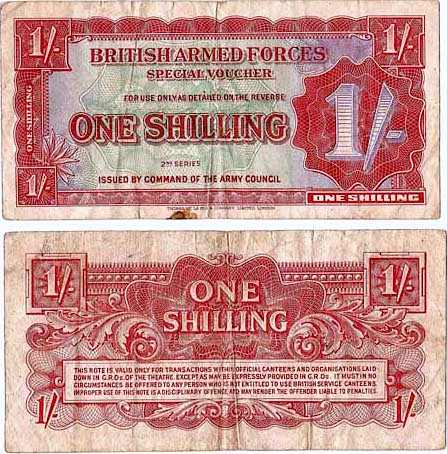
A voucher is a bond of the redeemable transaction type which is worth a certain monetary value and which may be spent only for specific reasons or on specific goods. Examples include housing, travel, and food vouchers. The term voucher is also a synonym for receipt and is often used to refer to receipts used as evidence of, for example, the declaration that a service has been performed or that an expenditure has been made. Voucher is a tourist guide for using services with a guarantee of payment by the agency.
The term is also commonly used for school vouchers, which are somewhat different.
Vouchers are used in the tourism sector primarily as proof of a named customer's right to take a service at a specific time and place. Service providers collect them to return to the tour operator or travel agent that has sent that customer, to prove they have given the service. So, the life of a voucher is as below:
This approach is most suitable for free individual tourist activities where pre-allocation for services are not necessary, feasible or applicable. It was customary before the information era when communication was limited and expensive, but now has been given quite a different role by B2C applications. When a reservation is made through the internet, customers are often provided a voucher through email or a web site that can be printed. Providers customarily require this voucher be presented prior to providing the service.
A voucher is an accounting document representing an internal intent to make a payment to an external entity, such as a vendor or service provider. A voucher is produced usually after receiving a vendor invoice, after the invoice is successfully matched to a purchase order. A voucher will contain detailed information regarding the payee, the monetary amount of the payment, a description of the transaction, and more. In accounts payable systems, a process called a "payment run" is executed to generate payments corresponding to the unpaid vouchers. These payments can then be released or held at the discretion of an accounts payable supervisor or the company controller.
The term can also be used with reference to accounts receivable, where it is also a document representing intent to make an adjustment to an account, and for the general ledger where there is need to adjust the accounts within that ledger; in that case it is referred to as a journal voucher.
Any documentary evidence supporting the entries recorded in the books of accounts, establishing the arithmetic accuracy of the transaction, may also be referred to as a voucher—for example, a bill, invoice, receipt, salary and wages sheet, memorandum of association, counterfoil of paying-in slip, counterfoil of cheque book, or trust deed.
A voucher is a recharge number sold to a customer to recharge their SIM card with money and to extend the card's availability period. Vouchers are typically sold at retail outlets, such as phone stores run by the mobile operator or by distributors, grocery stores, and gas stations.
Hub AI
Voucher AI simulator
(@Voucher_simulator)
Voucher
A voucher is a bond of the redeemable transaction type which is worth a certain monetary value and which may be spent only for specific reasons or on specific goods. Examples include housing, travel, and food vouchers. The term voucher is also a synonym for receipt and is often used to refer to receipts used as evidence of, for example, the declaration that a service has been performed or that an expenditure has been made. Voucher is a tourist guide for using services with a guarantee of payment by the agency.
The term is also commonly used for school vouchers, which are somewhat different.
Vouchers are used in the tourism sector primarily as proof of a named customer's right to take a service at a specific time and place. Service providers collect them to return to the tour operator or travel agent that has sent that customer, to prove they have given the service. So, the life of a voucher is as below:
This approach is most suitable for free individual tourist activities where pre-allocation for services are not necessary, feasible or applicable. It was customary before the information era when communication was limited and expensive, but now has been given quite a different role by B2C applications. When a reservation is made through the internet, customers are often provided a voucher through email or a web site that can be printed. Providers customarily require this voucher be presented prior to providing the service.
A voucher is an accounting document representing an internal intent to make a payment to an external entity, such as a vendor or service provider. A voucher is produced usually after receiving a vendor invoice, after the invoice is successfully matched to a purchase order. A voucher will contain detailed information regarding the payee, the monetary amount of the payment, a description of the transaction, and more. In accounts payable systems, a process called a "payment run" is executed to generate payments corresponding to the unpaid vouchers. These payments can then be released or held at the discretion of an accounts payable supervisor or the company controller.
The term can also be used with reference to accounts receivable, where it is also a document representing intent to make an adjustment to an account, and for the general ledger where there is need to adjust the accounts within that ledger; in that case it is referred to as a journal voucher.
Any documentary evidence supporting the entries recorded in the books of accounts, establishing the arithmetic accuracy of the transaction, may also be referred to as a voucher—for example, a bill, invoice, receipt, salary and wages sheet, memorandum of association, counterfoil of paying-in slip, counterfoil of cheque book, or trust deed.
A voucher is a recharge number sold to a customer to recharge their SIM card with money and to extend the card's availability period. Vouchers are typically sold at retail outlets, such as phone stores run by the mobile operator or by distributors, grocery stores, and gas stations.
Recent media