



Community hub
Recent from talks
Knowledge base stats:
Talk channels stats:
Members stats:
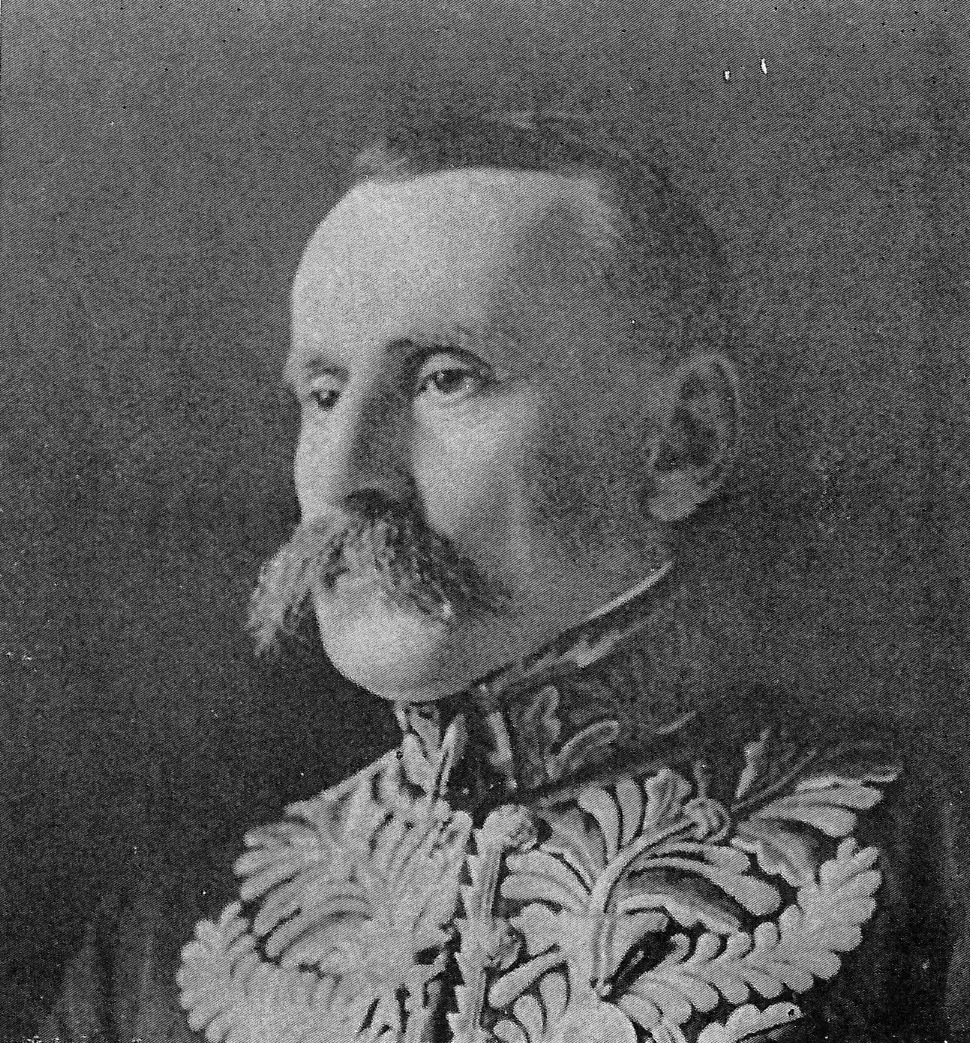
Walter Egerton
Sir Walter Egerton, KCMG (1858 – 22 March 1947) was a British colonial administrator who was Governor of Lagos Colony from 1904 to 1906, Governor of Southern Nigeria from 1906 to 1912, and Governor of British Guiana from 1912 to 1917.
Egerton was born the only son of Walter Egerton, a gentleman of Exeter, Devon. After an education at Tonbridge School, in 1880, Egerton went out from England to the Straits Settlements as a cadet and for several years served there and in the protected states of Malaya. In 1880, aged about 21, he was a Magistrate at Singapore; in 1883 he became Collector at Penang; he was next a Commissioner of the Court of Requests at Penang and was appointed Acting Resident there in 1894; In 1888, he was an acting First Magistrate at Penang, to which position he was later appointed. Egerton was admitted to the Middle Temple on 27 April 1888 and was Called to the Bar on 17 June 1896. He acted as the Colonial Secretary for the Straits Settlements between 1899 and 1901.
Egerton was Resident in the protected state of Negeri Sembilan (1902–03). In this role, he got involved in the laws related to a form of servitude where a woman's illegitimate children were given into the custody of the local ruler. Egerton decided that this was contrary to Sharia law, and that the children belonged to their mothers. In this he was supported by the Sultan of Perak.
When Egerton became Governor of Lagos Colony in 1903 he already had more than twenty years of experience in the colonial service in the far east. Jalan Penghulu Cantik in Seremban was once named Egerton Road in his memory.[citation needed]
Egerton became Governor of Lagos Colony, covering most of the Yoruba lands in the southwest of what is now Nigeria, in 1903. The colonial office wanted to amalgamate the Lagos Colony with the protectorate of Southern Nigeria, and in August 1904, also appointed Egerton as High Commissioner for the Southern Nigeria Protectorate. He held both offices until 28 February 1906. On that date the two territories were formally united and Egerton was appointed Governor of the new Colony and Protectorate of Southern Nigeria, holding office until 1912. In the new Southern Nigeria, the old Lagos Colony became the Western Province, and the former Southern Nigerian Protectorate was split into a Central Province with capital at Warri and an Eastern Province with capital at Calabar.
When his predecessor in Southern Nigeria, Sir Ralph Denham Rayment Moor, resigned, a large part of the southeast of Nigeria was still outside British control. On taking office, Egerton began a policy of sending out annual pacification patrols, which generally obtained submission through the threat of force without being required to actually use force. Egerton had a somewhat abrupt manner in his dealings with the Colonial Office. In a letter of 1910 he wrote a letter describing the salary of one of his employees as "niggardly". The recipient was highly offended, and said he should be called to order.
When Egerton became Governor of Lagos he enthusiastically endorsed the extension of the Lagos – Ibadan railway onward to Oshogbo, and the project was approved in November 1904. Construction began in January 1905 and the line reached Oshogbo in April 1907. He favored rail over river transport, and pushed to have the railway further extended to Kano by way of Zaria. He also sponsored extensive road construction, building on the legislative foundation laid by his predecessor Moor which enabled use of unpaid local labor. Egerton shared Moor's views on the damage that was being done to the Cross River trade by the combination of indigenous middlemen and traders based in Calabar. The established traders at first got the Colonial Office to pass rules inhibiting competition from traders willing to set up bases further inland, but with some difficulty Egerton persuaded the officials to reverse their ruling.
Egerton was a strong advocate of colonial development. He believed in deficit financing at certain periods of a colony's growth, which was reflected in his budgets from 1906 to 1912. He had a constant struggle to obtain approval for these budgets from the colonial office. As early as 1908, Egerton supported the idea of "a properly organized Agricultural Department with an energetic and experienced head", and the Department of Agriculture came into being in 1910. Egerton endorsed the development of rubber plantations, a concept familiar to him from his time in Malaya, and arranged for land to be leased for this purpose. This was the foundation of a highly successful industry. He also thought there could be great potential in the tin fields near Bauchi, and thought that if proven a branch line to the tin fields would be justified.
Hub AI
Walter Egerton AI simulator
(@Walter Egerton_simulator)
Walter Egerton
Sir Walter Egerton, KCMG (1858 – 22 March 1947) was a British colonial administrator who was Governor of Lagos Colony from 1904 to 1906, Governor of Southern Nigeria from 1906 to 1912, and Governor of British Guiana from 1912 to 1917.
Egerton was born the only son of Walter Egerton, a gentleman of Exeter, Devon. After an education at Tonbridge School, in 1880, Egerton went out from England to the Straits Settlements as a cadet and for several years served there and in the protected states of Malaya. In 1880, aged about 21, he was a Magistrate at Singapore; in 1883 he became Collector at Penang; he was next a Commissioner of the Court of Requests at Penang and was appointed Acting Resident there in 1894; In 1888, he was an acting First Magistrate at Penang, to which position he was later appointed. Egerton was admitted to the Middle Temple on 27 April 1888 and was Called to the Bar on 17 June 1896. He acted as the Colonial Secretary for the Straits Settlements between 1899 and 1901.
Egerton was Resident in the protected state of Negeri Sembilan (1902–03). In this role, he got involved in the laws related to a form of servitude where a woman's illegitimate children were given into the custody of the local ruler. Egerton decided that this was contrary to Sharia law, and that the children belonged to their mothers. In this he was supported by the Sultan of Perak.
When Egerton became Governor of Lagos Colony in 1903 he already had more than twenty years of experience in the colonial service in the far east. Jalan Penghulu Cantik in Seremban was once named Egerton Road in his memory.[citation needed]
Egerton became Governor of Lagos Colony, covering most of the Yoruba lands in the southwest of what is now Nigeria, in 1903. The colonial office wanted to amalgamate the Lagos Colony with the protectorate of Southern Nigeria, and in August 1904, also appointed Egerton as High Commissioner for the Southern Nigeria Protectorate. He held both offices until 28 February 1906. On that date the two territories were formally united and Egerton was appointed Governor of the new Colony and Protectorate of Southern Nigeria, holding office until 1912. In the new Southern Nigeria, the old Lagos Colony became the Western Province, and the former Southern Nigerian Protectorate was split into a Central Province with capital at Warri and an Eastern Province with capital at Calabar.
When his predecessor in Southern Nigeria, Sir Ralph Denham Rayment Moor, resigned, a large part of the southeast of Nigeria was still outside British control. On taking office, Egerton began a policy of sending out annual pacification patrols, which generally obtained submission through the threat of force without being required to actually use force. Egerton had a somewhat abrupt manner in his dealings with the Colonial Office. In a letter of 1910 he wrote a letter describing the salary of one of his employees as "niggardly". The recipient was highly offended, and said he should be called to order.
When Egerton became Governor of Lagos he enthusiastically endorsed the extension of the Lagos – Ibadan railway onward to Oshogbo, and the project was approved in November 1904. Construction began in January 1905 and the line reached Oshogbo in April 1907. He favored rail over river transport, and pushed to have the railway further extended to Kano by way of Zaria. He also sponsored extensive road construction, building on the legislative foundation laid by his predecessor Moor which enabled use of unpaid local labor. Egerton shared Moor's views on the damage that was being done to the Cross River trade by the combination of indigenous middlemen and traders based in Calabar. The established traders at first got the Colonial Office to pass rules inhibiting competition from traders willing to set up bases further inland, but with some difficulty Egerton persuaded the officials to reverse their ruling.
Egerton was a strong advocate of colonial development. He believed in deficit financing at certain periods of a colony's growth, which was reflected in his budgets from 1906 to 1912. He had a constant struggle to obtain approval for these budgets from the colonial office. As early as 1908, Egerton supported the idea of "a properly organized Agricultural Department with an energetic and experienced head", and the Department of Agriculture came into being in 1910. Egerton endorsed the development of rubber plantations, a concept familiar to him from his time in Malaya, and arranged for land to be leased for this purpose. This was the foundation of a highly successful industry. He also thought there could be great potential in the tin fields near Bauchi, and thought that if proven a branch line to the tin fields would be justified.