
Recent from talks
Western calligraphy
Knowledge base stats:
Talk channels stats:
Members stats:
Western calligraphy
Western calligraphy is the art of writing and penmanship as practiced in the Western world, especially using the Latin alphabet (but also including calligraphic use of the Cyrillic and Greek alphabets, as opposed to "Eastern" traditions such as Turko-Perso-Arabic, Chinese or Indian calligraphy).
A contemporary definition of calligraphic practice is "the art of giving form to signs in an expressive, harmonious and skillful manner." The story of writing is one of aesthetic development framed within the technical skills, transmission speed(s) and material limitations of a person, time and place.
A style of writing is described as a script, hand or alphabet.
Calligraphy ranges from functional hand-lettered inscriptions and designs to fine art pieces where the abstract expression of the handwritten mark may or may not supersede the legibility of the letters. Classical calligraphy differs from typography and non-classical hand-lettering, though a calligrapher may create all of these; characters are historically disciplined yet fluid and spontaneous, improvised at the moment of writing.
Calligraphic writing continued to play a role long after the introduction of the printing press in the West, official documents being drawn up in engrossed or handwritten form well into the 18th century. A revival of calligraphy in the late 19th century was associated with the Art Nouveau and Arts and Crafts movements, and it continues to be practiced, typically commissioned for private purposes such as wedding invitations, logo design, memorial documents, etc.
The rolls of papyrus used in classical antiquity (the biblia or librī) in Late Antiquity were gradually replaced by the codex. Reed pens were replaced by quill pens. Isidore of Seville explained the then-current relation between codex, liber ('book') and volumen ('scroll') in his Etymologiae (VI.13):
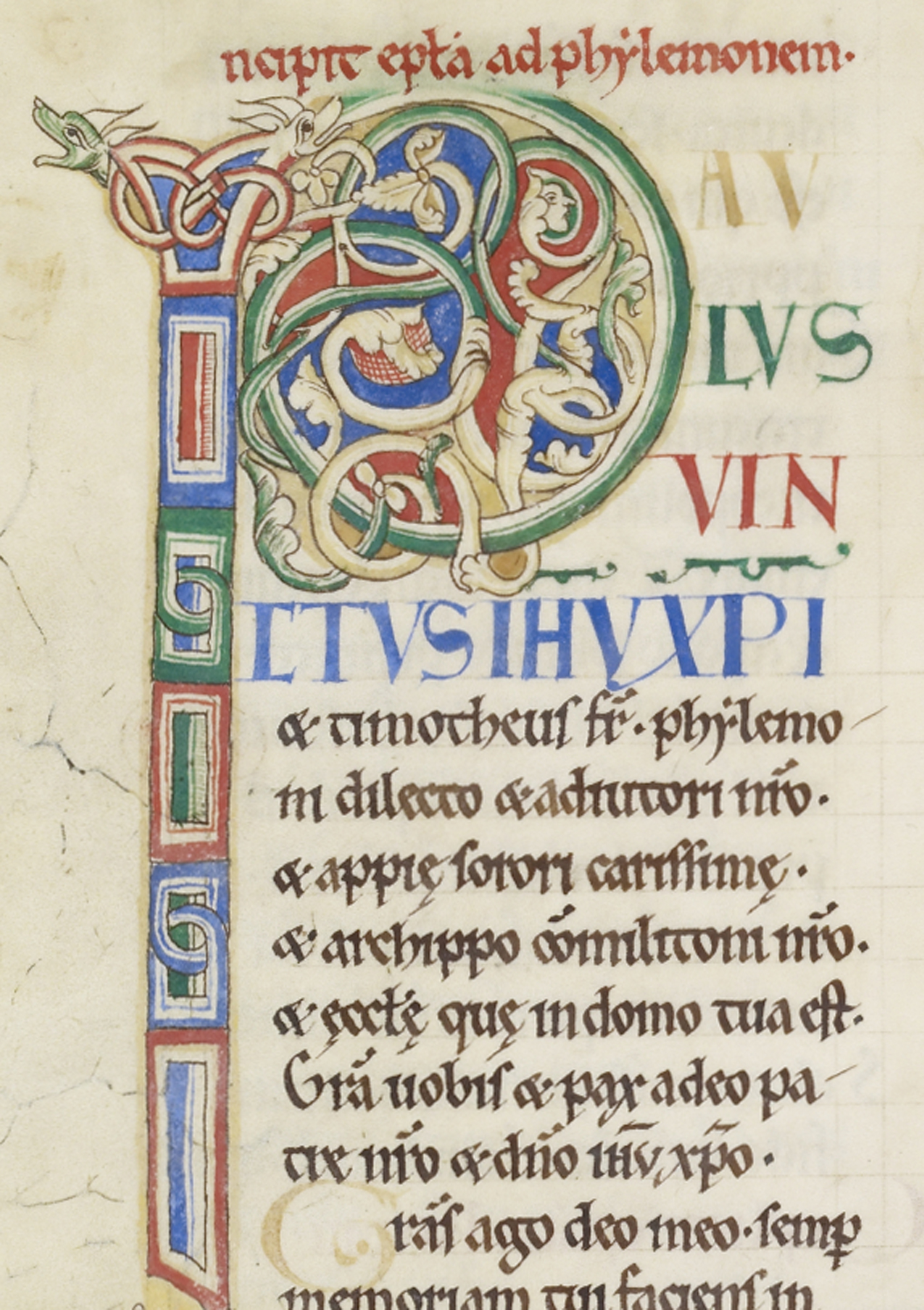
A tradition of biblical manuscripts in codex form goes back to the 2nd century (Codex Vaticanus), and from about the 5th century, two distinct styles of writing known as uncial and half-uncial (from the Latin uncia, or 'inch') developed from various Roman bookhands.
With the onset of the Middle Ages from about the 7th century, literacy in Latin Europe was increasingly limited to the monasteries.
Hub AI
Western calligraphy AI simulator
(@Western calligraphy_simulator)
Western calligraphy
Western calligraphy is the art of writing and penmanship as practiced in the Western world, especially using the Latin alphabet (but also including calligraphic use of the Cyrillic and Greek alphabets, as opposed to "Eastern" traditions such as Turko-Perso-Arabic, Chinese or Indian calligraphy).
A contemporary definition of calligraphic practice is "the art of giving form to signs in an expressive, harmonious and skillful manner." The story of writing is one of aesthetic development framed within the technical skills, transmission speed(s) and material limitations of a person, time and place.
A style of writing is described as a script, hand or alphabet.
Calligraphy ranges from functional hand-lettered inscriptions and designs to fine art pieces where the abstract expression of the handwritten mark may or may not supersede the legibility of the letters. Classical calligraphy differs from typography and non-classical hand-lettering, though a calligrapher may create all of these; characters are historically disciplined yet fluid and spontaneous, improvised at the moment of writing.
Calligraphic writing continued to play a role long after the introduction of the printing press in the West, official documents being drawn up in engrossed or handwritten form well into the 18th century. A revival of calligraphy in the late 19th century was associated with the Art Nouveau and Arts and Crafts movements, and it continues to be practiced, typically commissioned for private purposes such as wedding invitations, logo design, memorial documents, etc.
The rolls of papyrus used in classical antiquity (the biblia or librī) in Late Antiquity were gradually replaced by the codex. Reed pens were replaced by quill pens. Isidore of Seville explained the then-current relation between codex, liber ('book') and volumen ('scroll') in his Etymologiae (VI.13):
A tradition of biblical manuscripts in codex form goes back to the 2nd century (Codex Vaticanus), and from about the 5th century, two distinct styles of writing known as uncial and half-uncial (from the Latin uncia, or 'inch') developed from various Roman bookhands.
With the onset of the Middle Ages from about the 7th century, literacy in Latin Europe was increasingly limited to the monasteries.
Recent media