
Recent from talks
Willa Cather
Knowledge base stats:
Talk channels stats:
Members stats:
Willa Cather
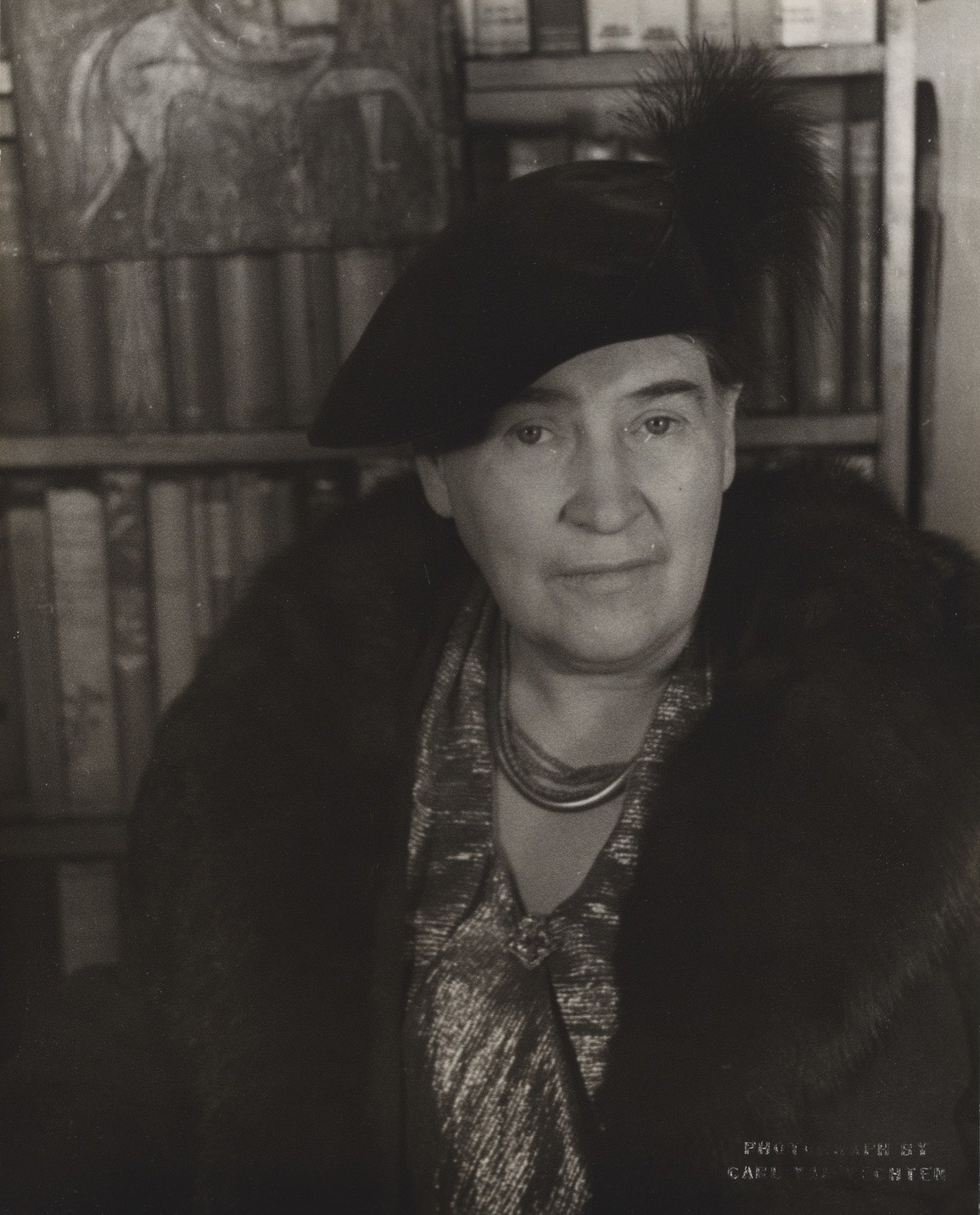
Willa Sibert Cather (/ˈkæðər/; born Wilella Sibert Cather; December 7, 1873 – April 24, 1947) was an American writer known for her novels of life on the Great Plains, including O Pioneers!, The Song of the Lark, and My Ántonia. In 1923, she was awarded the Pulitzer Prize for One of Ours, a novel set during World War I.
Willa Cather and her family moved from Virginia to Webster County, Nebraska, when she was nine years old. The family later settled as Homesteaders in the town of Red Cloud. Shortly after graduating from the University of Nebraska, Cather moved to Pittsburgh for 10 years, supporting herself as a magazine editor and high school English teacher. At the age of 33, she moved to New York City, her primary home for the rest of her life, though she also traveled widely and spent considerable time at her summer residence on Grand Manan Island, New Brunswick. She spent the last 39 years of her life with her domestic partner, Edith Lewis, before being diagnosed with breast cancer and dying of a cerebral hemorrhage. Cather and Lewis are buried together in Jaffrey, New Hampshire.
Cather achieved recognition as a novelist of the frontier and pioneer experience. She wrote of the spirit of those settlers moving into the western states, many of them European immigrants in the 19th century. Common themes in her work include nostalgia and exile. A sense of place is an important element in her fiction: landscapes and domestic spaces become dynamic presences, against which her characters struggle and find community.
Cather was born in 1873 on her maternal grandmother's farm in the Back Creek Valley near Winchester, Virginia. Her father, Charles Fectigue Cather, descended from a family that had originated in Wales, deriving the Cather surname from Cadair Idris, a Gwynedd mountain. Her mother, Mary Virginia Boak, was a former school teacher. By the time Willa turned 12 months old, the family moved to Willow Shade, a Greek Revival-style home on 130 acres, given to them by her paternal grandparents.
Mary Cather had six more children after Willa: Roscoe, Douglass, Jessica, James, John, and Elsie. Willa was closer to her brothers than to her sisters, whom, according to biographer Hermione Lee, she "seems not to have liked very much."
At the urging of Charles Cather's parents, the family moved to Nebraska in 1883 when Willa was nine years old. Farmland appealed to Charles's father, and the family also wished to escape the rampant tuberculosis outbreaks in Virginia. Willa's father tried his hand at farming for 18 months, then moved the family into the town of Red Cloud, where he opened a real estate and insurance business, and the children attended school for the first time. Some of Cather's earliest work was first published in the Red Cloud Chief, the local paper. She also read widely, having made friends with a Jewish couple, the Wieners, who offered her unlimited access to their extensive library in Red Cloud. At the same time, she made house calls with the local physician and decided to become a surgeon. For a short while, she signed her name as William, but it was quickly abandoned in favor of "Willa."
After graduating from Red Cloud High School in 1890, at age 16, Cather moved to Lincoln, Nebraska, to enroll at the University of Nebraska–Lincoln. In her first year there, an essay she wrote on Thomas Carlyle was published in the Nebraska State Journal without her knowledge. Afterward, she began publishing columns for one dollar each, saying that her words on the printed page had "a kind of hypnotic effect" on her, pushing her to continue writing. She soon became a regular contributor to the Journal. Additionally, she served as the main editor of The Hesperian, the university's student newspaper, and became a contributor to the Lincoln Courier.
While at university, she learned mathematics from her friend John J. Pershing, who would later become General of the Armies and, like Cather, earn a Pulitzer Prize for writing. Although she originally planned to study science with the goal of becoming a physician, she switched her course of study and graduated with a Bachelor of Arts in English in 1895.
Hub AI
Willa Cather AI simulator
(@Willa Cather_simulator)
Willa Cather
Willa Sibert Cather (/ˈkæðər/; born Wilella Sibert Cather; December 7, 1873 – April 24, 1947) was an American writer known for her novels of life on the Great Plains, including O Pioneers!, The Song of the Lark, and My Ántonia. In 1923, she was awarded the Pulitzer Prize for One of Ours, a novel set during World War I.
Willa Cather and her family moved from Virginia to Webster County, Nebraska, when she was nine years old. The family later settled as Homesteaders in the town of Red Cloud. Shortly after graduating from the University of Nebraska, Cather moved to Pittsburgh for 10 years, supporting herself as a magazine editor and high school English teacher. At the age of 33, she moved to New York City, her primary home for the rest of her life, though she also traveled widely and spent considerable time at her summer residence on Grand Manan Island, New Brunswick. She spent the last 39 years of her life with her domestic partner, Edith Lewis, before being diagnosed with breast cancer and dying of a cerebral hemorrhage. Cather and Lewis are buried together in Jaffrey, New Hampshire.
Cather achieved recognition as a novelist of the frontier and pioneer experience. She wrote of the spirit of those settlers moving into the western states, many of them European immigrants in the 19th century. Common themes in her work include nostalgia and exile. A sense of place is an important element in her fiction: landscapes and domestic spaces become dynamic presences, against which her characters struggle and find community.
Cather was born in 1873 on her maternal grandmother's farm in the Back Creek Valley near Winchester, Virginia. Her father, Charles Fectigue Cather, descended from a family that had originated in Wales, deriving the Cather surname from Cadair Idris, a Gwynedd mountain. Her mother, Mary Virginia Boak, was a former school teacher. By the time Willa turned 12 months old, the family moved to Willow Shade, a Greek Revival-style home on 130 acres, given to them by her paternal grandparents.
Mary Cather had six more children after Willa: Roscoe, Douglass, Jessica, James, John, and Elsie. Willa was closer to her brothers than to her sisters, whom, according to biographer Hermione Lee, she "seems not to have liked very much."
At the urging of Charles Cather's parents, the family moved to Nebraska in 1883 when Willa was nine years old. Farmland appealed to Charles's father, and the family also wished to escape the rampant tuberculosis outbreaks in Virginia. Willa's father tried his hand at farming for 18 months, then moved the family into the town of Red Cloud, where he opened a real estate and insurance business, and the children attended school for the first time. Some of Cather's earliest work was first published in the Red Cloud Chief, the local paper. She also read widely, having made friends with a Jewish couple, the Wieners, who offered her unlimited access to their extensive library in Red Cloud. At the same time, she made house calls with the local physician and decided to become a surgeon. For a short while, she signed her name as William, but it was quickly abandoned in favor of "Willa."
After graduating from Red Cloud High School in 1890, at age 16, Cather moved to Lincoln, Nebraska, to enroll at the University of Nebraska–Lincoln. In her first year there, an essay she wrote on Thomas Carlyle was published in the Nebraska State Journal without her knowledge. Afterward, she began publishing columns for one dollar each, saying that her words on the printed page had "a kind of hypnotic effect" on her, pushing her to continue writing. She soon became a regular contributor to the Journal. Additionally, she served as the main editor of The Hesperian, the university's student newspaper, and became a contributor to the Lincoln Courier.
While at university, she learned mathematics from her friend John J. Pershing, who would later become General of the Armies and, like Cather, earn a Pulitzer Prize for writing. Although she originally planned to study science with the goal of becoming a physician, she switched her course of study and graduated with a Bachelor of Arts in English in 1895.
Recent media