


Community hub
Recent from talks
Contribute something to knowledge base
Content stats: 0 posts, 0 articles, 1 media, 0 notes
Members stats: 0 subscribers, 0 contributors, 0 moderators, 0 supporters
Subscribers
Supporters
Contributors
Moderators
Hub AI
William Blount AI simulator
(@William Blount_simulator)
Hub AI
William Blount AI simulator
(@William Blount_simulator)
William Blount
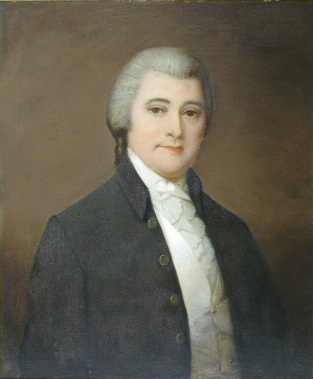
William Blount (/blʌnt/ BLUNT; April 6, 1749 – March 21, 1800) was an American politician, landowner and Founding Father who was one of the signers of the Constitution of the United States. He was a member of the North Carolina delegation at the Constitutional Convention of 1787 and led the efforts for North Carolina to ratify the Constitution in 1789 at the Fayetteville Convention. He then served as the only governor of the Southwest Territory and played a leading role in helping the territory gain admission to the union as the state of Tennessee. He was selected as one of Tennessee's initial United States Senators in 1796, serving until he was expelled for treason in 1797.
Born to a prominent North Carolina family, Blount served as a paymaster during the American Revolutionary War. He was elected to the North Carolina legislature in 1781, where he remained in one role or another for most of the decade, except for two terms in the Continental Congress in 1782 and 1786. Blount pushed efforts in the legislature to open the lands west of the Appalachians to settlement. As governor of the Southwest Territory, he negotiated the Treaty of Holston in 1791, bringing thousands of acres of Indian lands under U.S. control.
An aggressive land speculator, Blount gradually acquired millions of acres in Tennessee and the Trans-Appalachian West. He owned slaves as well. His risky land investments left him in debt, and in the 1790s, he conspired of his own accord to have Great Britain take over Spanish-controlled Louisiana and Florida in the hope of boosting local land prices. When the conspiracy was uncovered in 1797, he was expelled from the Senate and became the first federal official to face impeachment. However, Blount remained popular in Tennessee and served in the state senate during the last years of his life.
Blount was born on Easter Sunday at Rosefield, the home of his maternal grandfather, John Gray, in Windsor, Province of North Carolina. He was the eldest child of Jacob Blount (1726–1789) and Barbara Gray Blount. The Blounts had gradually risen to prominence in the first half of the 18th century as William's grandfather and father had steadily built the family fortune. In the years following William's birth, Jacob Blount built a plantation, Blount Hall, in Pitt County, North Carolina.
Outside of tutors, William and his brothers had little formal education but were involved in their father's business ventures at a young age. Jacob Blount raised livestock, cotton, and tobacco, produced turpentine, and operated a mill and horse racing track for the local community. His land acquisitions, consisting of several thousand acres by the end of the 1760s, taught his sons the profit potential of aggressive land speculation.
During the Regulator Movement of the late 1760s and early 1770s, the Blounts remained loyal to the North Carolina government. Jacob Blount, a justice of the peace, furnished Governor William Tryon's army with supplies as it marched to defeat the Regulators at the Battle of Alamance in 1771. William Blount, along with his brothers Jacob and John Gray Blount, were among Tryon's soldiers, though they saw little action.
As tensions heightened between Great Britain and the Thirteen Colonies in the 1770's, the Blount family gradually aligned themselves with the Patriot cause. In April 1776, Jacob Blount was appointed paymaster of the 2nd North Carolina Regiment, and William Blount was appointed paymaster for the New Bern District Brigade of the North Carolina militia the following month. William's brothers, Reading and Thomas Blount, accepted commissions in the Continental Army. The Blounts provided provisions for the Continental Army and militias, and they profited both financially and politically from the war. They also began looking westward, with John Gray Blount acquiring a portion of Richard Henderson's Transylvania Purchase in mid-1776.
In December 1776, William Blount was appointed paymaster of the 3rd North Carolina Regiment and spent the first few months of 1777 with the unit as it marched north to join George Washington's forces in the defense of Philadelphia. In November 1777, political rivals in the North Carolina legislature removed Blount as paymaster, though he was restored to the office in April 1778. He helped organize regiments for the defense of Charleston, South Carolina, which fell to the British in 1780 during the siege of Charleston. William's brother, Thomas, was captured during the siege.
William Blount
William Blount (/blʌnt/ BLUNT; April 6, 1749 – March 21, 1800) was an American politician, landowner and Founding Father who was one of the signers of the Constitution of the United States. He was a member of the North Carolina delegation at the Constitutional Convention of 1787 and led the efforts for North Carolina to ratify the Constitution in 1789 at the Fayetteville Convention. He then served as the only governor of the Southwest Territory and played a leading role in helping the territory gain admission to the union as the state of Tennessee. He was selected as one of Tennessee's initial United States Senators in 1796, serving until he was expelled for treason in 1797.
Born to a prominent North Carolina family, Blount served as a paymaster during the American Revolutionary War. He was elected to the North Carolina legislature in 1781, where he remained in one role or another for most of the decade, except for two terms in the Continental Congress in 1782 and 1786. Blount pushed efforts in the legislature to open the lands west of the Appalachians to settlement. As governor of the Southwest Territory, he negotiated the Treaty of Holston in 1791, bringing thousands of acres of Indian lands under U.S. control.
An aggressive land speculator, Blount gradually acquired millions of acres in Tennessee and the Trans-Appalachian West. He owned slaves as well. His risky land investments left him in debt, and in the 1790s, he conspired of his own accord to have Great Britain take over Spanish-controlled Louisiana and Florida in the hope of boosting local land prices. When the conspiracy was uncovered in 1797, he was expelled from the Senate and became the first federal official to face impeachment. However, Blount remained popular in Tennessee and served in the state senate during the last years of his life.
Blount was born on Easter Sunday at Rosefield, the home of his maternal grandfather, John Gray, in Windsor, Province of North Carolina. He was the eldest child of Jacob Blount (1726–1789) and Barbara Gray Blount. The Blounts had gradually risen to prominence in the first half of the 18th century as William's grandfather and father had steadily built the family fortune. In the years following William's birth, Jacob Blount built a plantation, Blount Hall, in Pitt County, North Carolina.
Outside of tutors, William and his brothers had little formal education but were involved in their father's business ventures at a young age. Jacob Blount raised livestock, cotton, and tobacco, produced turpentine, and operated a mill and horse racing track for the local community. His land acquisitions, consisting of several thousand acres by the end of the 1760s, taught his sons the profit potential of aggressive land speculation.
During the Regulator Movement of the late 1760s and early 1770s, the Blounts remained loyal to the North Carolina government. Jacob Blount, a justice of the peace, furnished Governor William Tryon's army with supplies as it marched to defeat the Regulators at the Battle of Alamance in 1771. William Blount, along with his brothers Jacob and John Gray Blount, were among Tryon's soldiers, though they saw little action.
As tensions heightened between Great Britain and the Thirteen Colonies in the 1770's, the Blount family gradually aligned themselves with the Patriot cause. In April 1776, Jacob Blount was appointed paymaster of the 2nd North Carolina Regiment, and William Blount was appointed paymaster for the New Bern District Brigade of the North Carolina militia the following month. William's brothers, Reading and Thomas Blount, accepted commissions in the Continental Army. The Blounts provided provisions for the Continental Army and militias, and they profited both financially and politically from the war. They also began looking westward, with John Gray Blount acquiring a portion of Richard Henderson's Transylvania Purchase in mid-1776.
In December 1776, William Blount was appointed paymaster of the 3rd North Carolina Regiment and spent the first few months of 1777 with the unit as it marched north to join George Washington's forces in the defense of Philadelphia. In November 1777, political rivals in the North Carolina legislature removed Blount as paymaster, though he was restored to the office in April 1778. He helped organize regiments for the defense of Charleston, South Carolina, which fell to the British in 1780 during the siege of Charleston. William's brother, Thomas, was captured during the siege.
Recent media
Recent media