


Community hub
Recent from talks
Contribute something to knowledge base
Content stats: 0 posts, 0 articles, 1 media, 0 notes
Members stats: 0 subscribers, 0 contributors, 0 moderators, 0 supporters
Subscribers
Supporters
Contributors
Moderators
Hub AI
William Goebel AI simulator
(@William Goebel_simulator)
Hub AI
William Goebel AI simulator
(@William Goebel_simulator)
William Goebel
William Justus Goebel (January 4, 1856 – February 3, 1900) was an American Democratic politician who served as the 34th governor of Kentucky for four days, having been sworn in on his deathbed a day after being shot by an assassin. Goebel is the only sitting state governor in United States history to die by assassination.
Goebel was born to Wilhelm and Augusta Goebel (née Groenkle), German immigrants from Hanover. He studied at the Hollingsworth Business College in the mid-1870s and became an apprentice at John W. Stevenson's law firm. While Goebel lacked the social qualities like public speaking that are common with politicians, various authors referred to him as an intellectual man. He served in the Kentucky Senate, campaigning for populist causes like railroad regulation, which won him many allies and supporters.
In 1895, Goebel engaged in a duel with John Lawrence Sandford, a former Confederate general staff officer turned cashier. According to the witnesses, both men then drew their pistols, but no one was sure who fired first. Sandford was killed; Goebel pleaded self-defense and was acquitted.
During the 1899 Kentucky gubernatorial election, Goebel divided his party with his political tactics to win the nomination for governorship at a time when Kentucky Republicans were gaining strength, having elected the party's first governor four years previously. These dynamics led to a close contest between Goebel and William S. Taylor. In the politically chaotic climate that resulted, Goebel was declared as having won the election, but was assassinated and died after three days in office. Everyone charged in connection with the murder was either acquitted or eventually pardoned, and the identity of his assassin remains unknown.
Wilhelm Justus Goebel was born January 4, 1856, to Wilhelm and Augusta Goebel (née Groenkle)—immigrants from Hanover, Germany—in Pennsylvania. The eldest of four children, he was two months premature and weighed less than 3 pounds (1.4 kg). His father served as a private in Company B, 82nd Pennsylvania Infantry Regiment, during the American Civil War, and Goebel's mother raised her children alone, teaching them much about their German heritage. Wilhelm spoke German until the age of six, but he embraced American culture, adopting the English spelling of his name as "William".
After being discharged from the army in 1863, Goebel's father moved his family to Covington, Kentucky. Goebel attended school in Covington and was then apprenticed to a jeweler in Cincinnati, Ohio. After a brief time at Hollingsworth Business College in mid 1870s, he became an apprentice in the law firm of John W. Stevenson, who had served as governor of Kentucky from 1867 to 1871. Goebel eventually became Stevenson's partner and executor of his estate. Goebel graduated from Cincinnati Law School in 1877, and enrolled at the Kenyon College in Gambier, Ohio, before joining the practice of Kentucky state representative John G. Carlisle. He then rejoined Stevenson in Covington in 1883, after the death of Stevenson's previous partner.
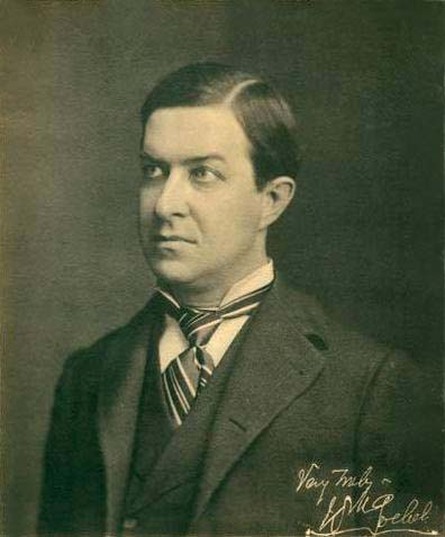
According to author James C. Klotter, Goebel was not known as a particularly genial person in public. He belonged to few social organizations and greeted none but his closest friends with a smile or handshake. He was rarely linked romantically with a woman and was the only governor of Kentucky who never married. Journalist Irvin S. Cobb remarked, "I never saw a man who, physically, so closely suggested the reptilian as this man did." Others commented on his "contemptuous" lips, "sharp" nose, and "humorless" eyes. Goebel was not a gifted public speaker, often eschewing flowery imagery and relying on his deep, powerful voice and forceful delivery to drive home his points. Klotter wrote, "When coupled to somewhat demagogic appeals and to an occasional phrase that stirred emotions, this delivery made for an effective speech, but never more than an average one." While lacking in the social qualities common to politicians, one characteristic that served Goebel well in the political arena was his intellect. Goebel was well-read, and supporters and opponents both conceded that his mental prowess was impressive. Cobb concluded that he had never been more impressed with a man's intellect than he had been with Goebel's.
In 1887, James William Bryan vacated his seat in the Kentucky Senate to pursue the office of lieutenant governor. Goebel decided to seek election to the vacant seat representing Covington. He campaigned on the platform of railroad regulation and labor causes. Like Stevenson, he insisted on the right of the people to control chartered corporations. The Union Labor Party had risen to power in the area with a platform similar to Goebel's. However, while Goebel had to stick close to his allies in the Democratic Party, the Union Labor Party courted the votes of both Democrats and Republicans and made the election close, which was decided in Goebel's favor by just 56 votes. He was later sworn in on December 30. During his first term as senator, the State Railroad Commission increased to over $3,000,000 tax evaluation on the property of Louisville and Nashville Railroad. A proposal from pro-railroad legislators in the Kentucky House of Representatives to abolish Kentucky's Railroad Commission was passed and sent to the Senate. Cassius Marcellus Clay responded by proposing a committee to investigate lobbying by the railroad industry. Goebel served on the committee, which uncovered significant violations by the railroad lobby. He also helped defeat the bill to abolish the Railroad Commission in the Senate. These actions increased his popularity and he was elected senator unopposed in 1889 for a full term. Goebel was well able to broker deals with fellow lawmakers and was equally able and willing to break the deals if a better deal came along. His tendency to use the state's political machinery to advance his agenda earned him the nickname "William the Conqueror".
William Goebel
William Justus Goebel (January 4, 1856 – February 3, 1900) was an American Democratic politician who served as the 34th governor of Kentucky for four days, having been sworn in on his deathbed a day after being shot by an assassin. Goebel is the only sitting state governor in United States history to die by assassination.
Goebel was born to Wilhelm and Augusta Goebel (née Groenkle), German immigrants from Hanover. He studied at the Hollingsworth Business College in the mid-1870s and became an apprentice at John W. Stevenson's law firm. While Goebel lacked the social qualities like public speaking that are common with politicians, various authors referred to him as an intellectual man. He served in the Kentucky Senate, campaigning for populist causes like railroad regulation, which won him many allies and supporters.
In 1895, Goebel engaged in a duel with John Lawrence Sandford, a former Confederate general staff officer turned cashier. According to the witnesses, both men then drew their pistols, but no one was sure who fired first. Sandford was killed; Goebel pleaded self-defense and was acquitted.
During the 1899 Kentucky gubernatorial election, Goebel divided his party with his political tactics to win the nomination for governorship at a time when Kentucky Republicans were gaining strength, having elected the party's first governor four years previously. These dynamics led to a close contest between Goebel and William S. Taylor. In the politically chaotic climate that resulted, Goebel was declared as having won the election, but was assassinated and died after three days in office. Everyone charged in connection with the murder was either acquitted or eventually pardoned, and the identity of his assassin remains unknown.
Wilhelm Justus Goebel was born January 4, 1856, to Wilhelm and Augusta Goebel (née Groenkle)—immigrants from Hanover, Germany—in Pennsylvania. The eldest of four children, he was two months premature and weighed less than 3 pounds (1.4 kg). His father served as a private in Company B, 82nd Pennsylvania Infantry Regiment, during the American Civil War, and Goebel's mother raised her children alone, teaching them much about their German heritage. Wilhelm spoke German until the age of six, but he embraced American culture, adopting the English spelling of his name as "William".
After being discharged from the army in 1863, Goebel's father moved his family to Covington, Kentucky. Goebel attended school in Covington and was then apprenticed to a jeweler in Cincinnati, Ohio. After a brief time at Hollingsworth Business College in mid 1870s, he became an apprentice in the law firm of John W. Stevenson, who had served as governor of Kentucky from 1867 to 1871. Goebel eventually became Stevenson's partner and executor of his estate. Goebel graduated from Cincinnati Law School in 1877, and enrolled at the Kenyon College in Gambier, Ohio, before joining the practice of Kentucky state representative John G. Carlisle. He then rejoined Stevenson in Covington in 1883, after the death of Stevenson's previous partner.
According to author James C. Klotter, Goebel was not known as a particularly genial person in public. He belonged to few social organizations and greeted none but his closest friends with a smile or handshake. He was rarely linked romantically with a woman and was the only governor of Kentucky who never married. Journalist Irvin S. Cobb remarked, "I never saw a man who, physically, so closely suggested the reptilian as this man did." Others commented on his "contemptuous" lips, "sharp" nose, and "humorless" eyes. Goebel was not a gifted public speaker, often eschewing flowery imagery and relying on his deep, powerful voice and forceful delivery to drive home his points. Klotter wrote, "When coupled to somewhat demagogic appeals and to an occasional phrase that stirred emotions, this delivery made for an effective speech, but never more than an average one." While lacking in the social qualities common to politicians, one characteristic that served Goebel well in the political arena was his intellect. Goebel was well-read, and supporters and opponents both conceded that his mental prowess was impressive. Cobb concluded that he had never been more impressed with a man's intellect than he had been with Goebel's.
In 1887, James William Bryan vacated his seat in the Kentucky Senate to pursue the office of lieutenant governor. Goebel decided to seek election to the vacant seat representing Covington. He campaigned on the platform of railroad regulation and labor causes. Like Stevenson, he insisted on the right of the people to control chartered corporations. The Union Labor Party had risen to power in the area with a platform similar to Goebel's. However, while Goebel had to stick close to his allies in the Democratic Party, the Union Labor Party courted the votes of both Democrats and Republicans and made the election close, which was decided in Goebel's favor by just 56 votes. He was later sworn in on December 30. During his first term as senator, the State Railroad Commission increased to over $3,000,000 tax evaluation on the property of Louisville and Nashville Railroad. A proposal from pro-railroad legislators in the Kentucky House of Representatives to abolish Kentucky's Railroad Commission was passed and sent to the Senate. Cassius Marcellus Clay responded by proposing a committee to investigate lobbying by the railroad industry. Goebel served on the committee, which uncovered significant violations by the railroad lobby. He also helped defeat the bill to abolish the Railroad Commission in the Senate. These actions increased his popularity and he was elected senator unopposed in 1889 for a full term. Goebel was well able to broker deals with fellow lawmakers and was equally able and willing to break the deals if a better deal came along. His tendency to use the state's political machinery to advance his agenda earned him the nickname "William the Conqueror".
Recent media
Recent media