
Recent from talks
William Jervois
Knowledge base stats:
Talk channels stats:
Members stats:
William Jervois
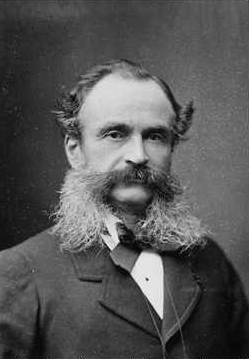
Lieutenant General Sir William Francis Drummond Jervois GCMG CB FRS (10 September 1821 – 17 August 1897) was a British military engineer and diplomat. After joining the British Army in 1839, he saw service, as a second captain, in South Africa. In 1858, as a major, he was appointed Secretary of a Royal Commission set up to examine the state and efficiency of British land-based fortifications against naval attack; and this led to further work in Canada and South Australia. From 1875 to 1888 he was, consecutively, Governor of the Straits Settlements, Governor of South Australia and Governor of New Zealand.
Born on 10 September 1821 in Cowes in the Isle of Wight, Jervois was the son of General William Jervois (pronounced "Jarvis"), and his wife Elizabeth Jervois (née Maitland). From a military family of Huguenot descent, he was educated at Dr. Burney's Academy, Gosport, before entering the Royal Military Academy, Woolwich.
Upon graduating from Woolwich, Jervois was commissioned as a second lieutenant in the Royal Engineers in March 1839. From then until 1841, Jervois was trained at the School of Military Engineering at Chatham. In 1842, having been promoted to lieutenant the year before, Jervois was sent to South Africa where he served as a brigade major. As a second captain he saw service in the 7th Xhosa War, 1846–1847 during which he drew military sketches of British Kaffraria (now part of the Eastern Cape Province) in South Africa.
Returning to Britain in 1848, he commanded a company of Sappers and Miners at Woolwich and then in June 1849 was ordered to Alderney with instructions to manage the construction of substantial fortifications. Following a visit by Queen Victoria and Prince Albert to inspect the progress of the fortifications in 1854, he was promoted to the rank of major. Having been refused permission to go to the Crimea he returned to London in January 1855, he became the Commanding Royal Engineer (Major) for the London District and Assistant Inspector-General of Fortifications in April the following year. Jervois became Secretary of a Royal Commission set up on 20 August 1859 to examine the state and efficiency of British land-based fortifications against naval attack. It was specifically tasked to consider Portsmouth, Spithead, the Isle of Wight, Plymouth, Portland, Pembroke Dock, Dover, Chatham and the Medway. The commission's report was published on 7 February 1860. Amongst other things, it proposed several options for a ring of defences around London, none of which were adopted, although elements were used in the later London Defence Scheme. Jervois went on to oversee the design of the resulting fortifications that became known as the Palmerston Forts.
Promotion to lieutenant colonel came in 1861, and in 1864 and 1865, he was sent to Canada to review its fortifications and at the conclusion of his inspection he submitted what became a politically controversial report that stated that the Great Lakes and Upper Canada were not defensible. He then lectured about iron fortifications, and inspected and provided advice regarding the defences of various British colonies including Gibraltar and the Andaman Islands. He was promoted to colonel in 1867. In 1871 he was sent to India; and then worked on the defences of Cork harbour, which were completed in 1874.
Following the withdrawal of British garrison troops from Australia in 1870, Jervois and Lieutenant Colonel Peter Scratchley were commissioned by a group of colonies to advise on defence matters. They inspected each colony's defences and produced the Jervois-Scratchley reports of 1877 and 1878. These emphasised the importance of shore-based fortifications to defend against naval attack and also led to the establishment of local infantry and artillery units. In the 1880s many of the reports' recommendations were implemented by the various colonial governments and they went on to form the basis of defence planning in Australia and New Zealand until Federation. Jervois was raised to the rank of major general in 1877; he received a final promotion to lieutenant general in 1882.
In April 1875, Jervois was appointed the Governor of the Straits Settlements, a British dependency which included Penang, Malacca and Singapore. He took office in Singapore on 8 May 1875, and served until 3 April 1877. Decisions he made during his tenure cemented Britain's foothold on the Malay peninsula; he was instrumental in the formation of a local militia and the quelling of a Malay uprising. Although distrustful of Malays, he was sympathetic to the Chinese and would later bolster public support for oriental immigration during his time as Governor of South Australia.
During an 1877 inspection of Australian maritime defences, Jervois was appointed Governor of South Australia. He was given notice of his "promotion" while in Melbourne in June, although the true reason for his reassignment was that the Colonial Office disliked his interference on the Malay mainland. Jervois arrived in South Australia on HMS Sapphire on 2 October 1877.
Hub AI
William Jervois AI simulator
(@William Jervois_simulator)
William Jervois
Lieutenant General Sir William Francis Drummond Jervois GCMG CB FRS (10 September 1821 – 17 August 1897) was a British military engineer and diplomat. After joining the British Army in 1839, he saw service, as a second captain, in South Africa. In 1858, as a major, he was appointed Secretary of a Royal Commission set up to examine the state and efficiency of British land-based fortifications against naval attack; and this led to further work in Canada and South Australia. From 1875 to 1888 he was, consecutively, Governor of the Straits Settlements, Governor of South Australia and Governor of New Zealand.
Born on 10 September 1821 in Cowes in the Isle of Wight, Jervois was the son of General William Jervois (pronounced "Jarvis"), and his wife Elizabeth Jervois (née Maitland). From a military family of Huguenot descent, he was educated at Dr. Burney's Academy, Gosport, before entering the Royal Military Academy, Woolwich.
Upon graduating from Woolwich, Jervois was commissioned as a second lieutenant in the Royal Engineers in March 1839. From then until 1841, Jervois was trained at the School of Military Engineering at Chatham. In 1842, having been promoted to lieutenant the year before, Jervois was sent to South Africa where he served as a brigade major. As a second captain he saw service in the 7th Xhosa War, 1846–1847 during which he drew military sketches of British Kaffraria (now part of the Eastern Cape Province) in South Africa.
Returning to Britain in 1848, he commanded a company of Sappers and Miners at Woolwich and then in June 1849 was ordered to Alderney with instructions to manage the construction of substantial fortifications. Following a visit by Queen Victoria and Prince Albert to inspect the progress of the fortifications in 1854, he was promoted to the rank of major. Having been refused permission to go to the Crimea he returned to London in January 1855, he became the Commanding Royal Engineer (Major) for the London District and Assistant Inspector-General of Fortifications in April the following year. Jervois became Secretary of a Royal Commission set up on 20 August 1859 to examine the state and efficiency of British land-based fortifications against naval attack. It was specifically tasked to consider Portsmouth, Spithead, the Isle of Wight, Plymouth, Portland, Pembroke Dock, Dover, Chatham and the Medway. The commission's report was published on 7 February 1860. Amongst other things, it proposed several options for a ring of defences around London, none of which were adopted, although elements were used in the later London Defence Scheme. Jervois went on to oversee the design of the resulting fortifications that became known as the Palmerston Forts.
Promotion to lieutenant colonel came in 1861, and in 1864 and 1865, he was sent to Canada to review its fortifications and at the conclusion of his inspection he submitted what became a politically controversial report that stated that the Great Lakes and Upper Canada were not defensible. He then lectured about iron fortifications, and inspected and provided advice regarding the defences of various British colonies including Gibraltar and the Andaman Islands. He was promoted to colonel in 1867. In 1871 he was sent to India; and then worked on the defences of Cork harbour, which were completed in 1874.
Following the withdrawal of British garrison troops from Australia in 1870, Jervois and Lieutenant Colonel Peter Scratchley were commissioned by a group of colonies to advise on defence matters. They inspected each colony's defences and produced the Jervois-Scratchley reports of 1877 and 1878. These emphasised the importance of shore-based fortifications to defend against naval attack and also led to the establishment of local infantry and artillery units. In the 1880s many of the reports' recommendations were implemented by the various colonial governments and they went on to form the basis of defence planning in Australia and New Zealand until Federation. Jervois was raised to the rank of major general in 1877; he received a final promotion to lieutenant general in 1882.
In April 1875, Jervois was appointed the Governor of the Straits Settlements, a British dependency which included Penang, Malacca and Singapore. He took office in Singapore on 8 May 1875, and served until 3 April 1877. Decisions he made during his tenure cemented Britain's foothold on the Malay peninsula; he was instrumental in the formation of a local militia and the quelling of a Malay uprising. Although distrustful of Malays, he was sympathetic to the Chinese and would later bolster public support for oriental immigration during his time as Governor of South Australia.
During an 1877 inspection of Australian maritime defences, Jervois was appointed Governor of South Australia. He was given notice of his "promotion" while in Melbourne in June, although the true reason for his reassignment was that the Colonial Office disliked his interference on the Malay mainland. Jervois arrived in South Australia on HMS Sapphire on 2 October 1877.
Recent media