
Recent from talks
William Kidd
Knowledge base stats:
Talk channels stats:
Members stats:
William Kidd
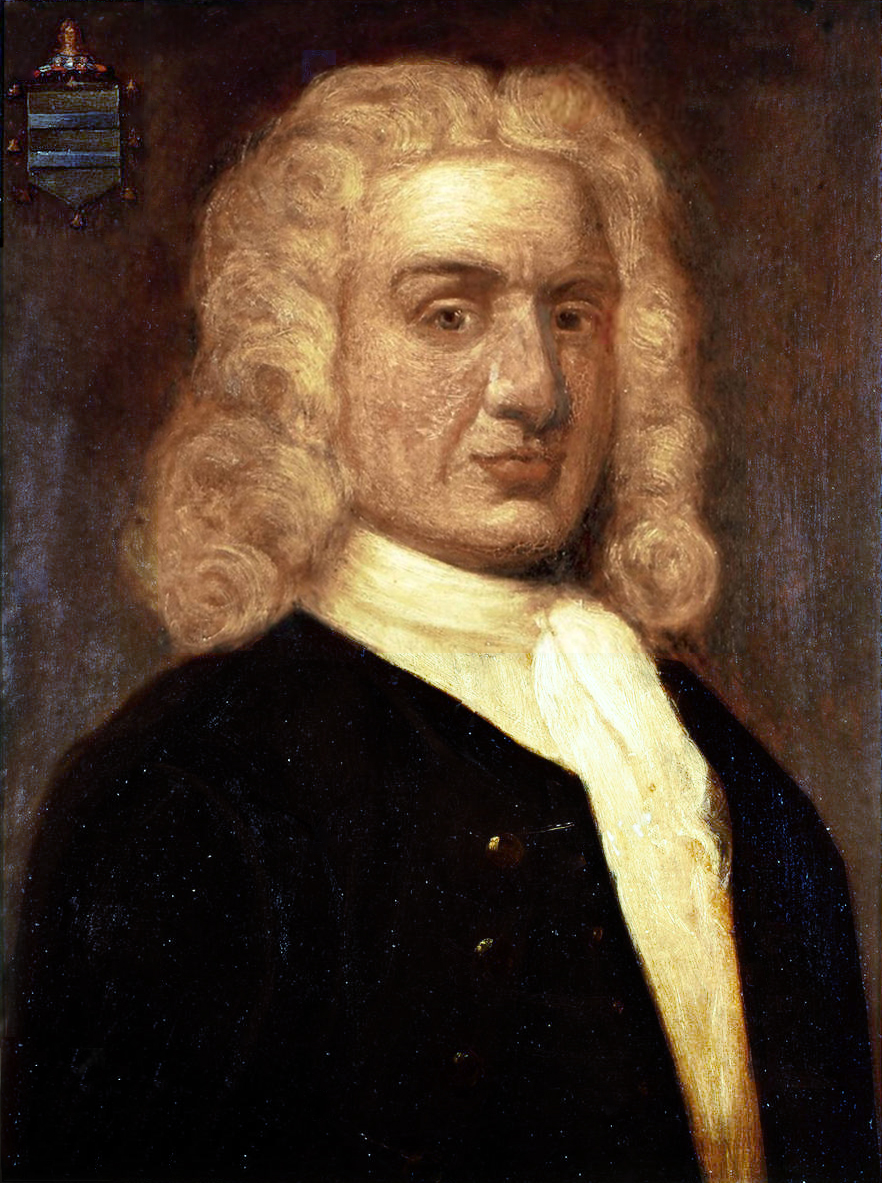
William Kidd (c. 1645 – 23 May 1701), also known as Captain William Kidd or simply Captain Kidd, was a Scottish privateer. Conflicting accounts exist regarding his early life, but he was likely born in Dundee and later settled in New York City. By 1690, Kidd had become a highly successful privateer, commissioned to protect English interests in the Thirteen Colonies in North America and the West Indies.
In 1695, Kidd received a royal commission from the Earl of Bellomont, the governor of New York, Massachusetts Bay and New Hampshire, to hunt down pirates and enemy French ships in the Indian Ocean. He received a letter of marque and set sail on a new ship, Adventure Galley, the following year. On his voyage he failed to find many targets, lost much of his crew and faced threats of mutiny. In 1698, Kidd captured his greatest prize, the 400-ton Quedagh Merchant, a ship hired by Armenian merchants and captained by an Englishman. The political climate in England had turned against him, however, and he was denounced as a pirate. Bellomont engineered Kidd's arrest upon his return to Boston and sent him to stand trial in London. He was found guilty and hanged in 1701.
Kidd was romanticised after his death and his exploits became a popular subject of pirate-themed works of fiction. The belief that he had left buried treasure contributed significantly to his legend, which inspired numerous treasure hunts in the following centuries.
Kidd was born in Dundee, Scotland prior to 15 October 1645. While claims have been made of alternative birthplaces, including Greenock and Belfast, he said himself he came from Dundee in a testimony given by Kidd to the High Court of Admiralty in 1695. There have also been records of his baptism taking place in Dundee. A local society supported the family financially after the death of the father.[better source needed] The myth that his "father was thought to have been a Church of Scotland minister" has been discounted, insofar as there is no mention of the name in comprehensive Church of Scotland records for the period. Others still hold the contrary view.
As a young man, Kidd settled in New York City, which the English had taken over from the Dutch. There he befriended many prominent colonial citizens, including three governors. Some accounts suggest that he served as a seaman's apprentice on a pirate ship during this time, before beginning his more famous seagoing exploits as a privateer.
By 1689, Kidd was a member of a French–English pirate crew sailing the Caribbean under Captain Jean Fantin. During one of their voyages, Kidd and other crew members mutinied, ousting the captain and sailing to the British colony of Nevis. There they renamed the ship Blessed William, and Kidd became captain either as a result of election by the ship's crew, or by appointment of Christopher Codrington, governor of the island of Nevis.
Kidd was an experienced leader and sailor by that time, and the Blessed William became part of Codrington's small fleet assembled to defend Nevis from the French, with whom the English were at war. The governor did not pay the sailors for their defensive service, telling them instead to take their pay from the French. Kidd and his men attacked the French island of Marie-Galante, destroying its only town and looting the area, and gathering around 2,000 pounds sterling.
Later, during the War of the Grand Alliance, on commissions from the provinces of New York and Massachusetts Bay, Kidd captured an enemy privateer off the New England coast. Shortly afterwards, he was awarded £150 for successful privateering in the Caribbean. One year later, Captain Robert Culliford, a notorious pirate, stole Kidd's ship while he was ashore at Antigua in the West Indies.
Hub AI
William Kidd AI simulator
(@William Kidd_simulator)
William Kidd
William Kidd (c. 1645 – 23 May 1701), also known as Captain William Kidd or simply Captain Kidd, was a Scottish privateer. Conflicting accounts exist regarding his early life, but he was likely born in Dundee and later settled in New York City. By 1690, Kidd had become a highly successful privateer, commissioned to protect English interests in the Thirteen Colonies in North America and the West Indies.
In 1695, Kidd received a royal commission from the Earl of Bellomont, the governor of New York, Massachusetts Bay and New Hampshire, to hunt down pirates and enemy French ships in the Indian Ocean. He received a letter of marque and set sail on a new ship, Adventure Galley, the following year. On his voyage he failed to find many targets, lost much of his crew and faced threats of mutiny. In 1698, Kidd captured his greatest prize, the 400-ton Quedagh Merchant, a ship hired by Armenian merchants and captained by an Englishman. The political climate in England had turned against him, however, and he was denounced as a pirate. Bellomont engineered Kidd's arrest upon his return to Boston and sent him to stand trial in London. He was found guilty and hanged in 1701.
Kidd was romanticised after his death and his exploits became a popular subject of pirate-themed works of fiction. The belief that he had left buried treasure contributed significantly to his legend, which inspired numerous treasure hunts in the following centuries.
Kidd was born in Dundee, Scotland prior to 15 October 1645. While claims have been made of alternative birthplaces, including Greenock and Belfast, he said himself he came from Dundee in a testimony given by Kidd to the High Court of Admiralty in 1695. There have also been records of his baptism taking place in Dundee. A local society supported the family financially after the death of the father.[better source needed] The myth that his "father was thought to have been a Church of Scotland minister" has been discounted, insofar as there is no mention of the name in comprehensive Church of Scotland records for the period. Others still hold the contrary view.
As a young man, Kidd settled in New York City, which the English had taken over from the Dutch. There he befriended many prominent colonial citizens, including three governors. Some accounts suggest that he served as a seaman's apprentice on a pirate ship during this time, before beginning his more famous seagoing exploits as a privateer.
By 1689, Kidd was a member of a French–English pirate crew sailing the Caribbean under Captain Jean Fantin. During one of their voyages, Kidd and other crew members mutinied, ousting the captain and sailing to the British colony of Nevis. There they renamed the ship Blessed William, and Kidd became captain either as a result of election by the ship's crew, or by appointment of Christopher Codrington, governor of the island of Nevis.
Kidd was an experienced leader and sailor by that time, and the Blessed William became part of Codrington's small fleet assembled to defend Nevis from the French, with whom the English were at war. The governor did not pay the sailors for their defensive service, telling them instead to take their pay from the French. Kidd and his men attacked the French island of Marie-Galante, destroying its only town and looting the area, and gathering around 2,000 pounds sterling.
Later, during the War of the Grand Alliance, on commissions from the provinces of New York and Massachusetts Bay, Kidd captured an enemy privateer off the New England coast. Shortly afterwards, he was awarded £150 for successful privateering in the Caribbean. One year later, Captain Robert Culliford, a notorious pirate, stole Kidd's ship while he was ashore at Antigua in the West Indies.
Recent media