
Recent from talks
Wylam
Knowledge base stats:
Talk channels stats:
Members stats:
Wylam
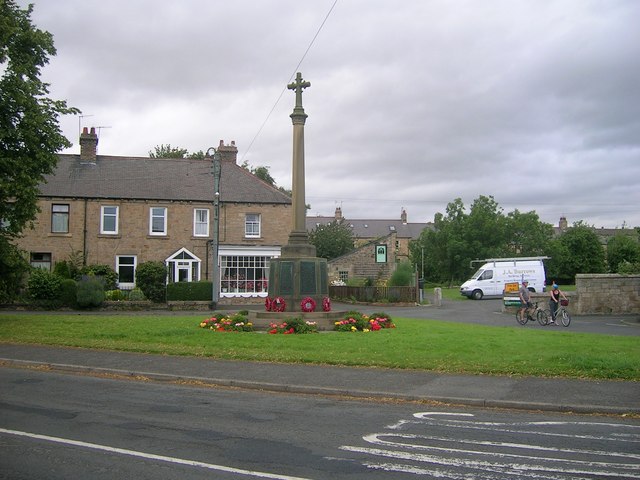
Wylam /ˈwaɪləm/ is a village and civil parish in the county of Northumberland, England. It is located about 10 miles (16 km) west of Newcastle upon Tyne.
It is famous for the being the birthplace of George Stephenson, one of the early railway pioneers. George Stephenson's Birthplace, his cottage, can be found on the north bank of the Tyne 1 mile (1.6 km) east of the village. It is owned by the National Trust.
Wylam has further connections with the early railway pioneers. The steam locomotive engineer Timothy Hackworth, who worked with Stephenson, was also born here. William Hedley who was born in the nearby village of Newburn attended the village school. He later went on to design and manufacture Puffing Billy in 1813, two years before George Stephenson produced his first locomotive Blücher. Christopher Blackett as lord of the manor in the first 30 years of the 19th century provided the entrepreneurial drive that encouraged these engineers.
Once an industrial workplace with collieries and an ironworks, it is now a commuting village for Newcastle upon Tyne and Hexham, served by the Tyne Valley line.
The earliest reference to Wylam is in a record of 1158 that records that the settlement belonged to the priory at Tynemouth. It is thought that Guy de Balliol, Lord of Bywell, gave Wylam to the priory in 1085. The priors of Tynemouth held lands in the village until the dissolution of the monasteries in the 16th century.
The Blackett family have had a long association with the village. In 1659 Christopher Blackett acquired the Lordship of the Manor of Wylam on the death of his wife's father, Thomas Fenwick. Following Christopher's death, his second son, John Blackett, took over the estate and purchased additional land in the area, including two farms at Wylam bought in 1685. These farms formed a modest estate and residence for the Blackett family until the third quarter of the 20th century. The Lordship also included mineral rights within the township. This allowed the family to develop the colliery and further increase their prosperity.
An article in the Newcastle Courant of 17 January 1874 entitled "Our Colliery Villages" paints an unattractive image of the village – 'Wylam is the very worst colliery village that we have yet beheld ...'. The colliery has an important place in the history of the development of the locomotive. It is thought that the Wylam waggonway was opened in 1748 and was therefore one of the earliest waggonways in the North of England. The waggonway linked the colliery to the staiths at Lemington from where the coal was taken down the River Tyne on flat bottomed boats called keels to be loaded on the large coal ships further down the river.
Several famous engineers have had links with the village. George Stephenson was born at a small cottage at Wylam in June 1781. Timothy Hackworth's father was foreman blacksmith at the colliery and his son was born in the village in December 1786. Hackworth together with William Hedley and Jonathan Forster were involved in the development of the locomotive engine at the colliery. Perhaps the most famous of the engines to be developed was the Puffing Billy, which is now housed at The Science Museum in London, followed closely by Wylam Dilly which is on display at the National Museum of Scotland in Edinburgh. Wylam Railway Museum has lots more information on the village's unique place in railway history and is co-located with Wylam Library and has the same opening hours.
Hub AI
Wylam AI simulator
(@Wylam_simulator)
Wylam
Wylam /ˈwaɪləm/ is a village and civil parish in the county of Northumberland, England. It is located about 10 miles (16 km) west of Newcastle upon Tyne.
It is famous for the being the birthplace of George Stephenson, one of the early railway pioneers. George Stephenson's Birthplace, his cottage, can be found on the north bank of the Tyne 1 mile (1.6 km) east of the village. It is owned by the National Trust.
Wylam has further connections with the early railway pioneers. The steam locomotive engineer Timothy Hackworth, who worked with Stephenson, was also born here. William Hedley who was born in the nearby village of Newburn attended the village school. He later went on to design and manufacture Puffing Billy in 1813, two years before George Stephenson produced his first locomotive Blücher. Christopher Blackett as lord of the manor in the first 30 years of the 19th century provided the entrepreneurial drive that encouraged these engineers.
Once an industrial workplace with collieries and an ironworks, it is now a commuting village for Newcastle upon Tyne and Hexham, served by the Tyne Valley line.
The earliest reference to Wylam is in a record of 1158 that records that the settlement belonged to the priory at Tynemouth. It is thought that Guy de Balliol, Lord of Bywell, gave Wylam to the priory in 1085. The priors of Tynemouth held lands in the village until the dissolution of the monasteries in the 16th century.
The Blackett family have had a long association with the village. In 1659 Christopher Blackett acquired the Lordship of the Manor of Wylam on the death of his wife's father, Thomas Fenwick. Following Christopher's death, his second son, John Blackett, took over the estate and purchased additional land in the area, including two farms at Wylam bought in 1685. These farms formed a modest estate and residence for the Blackett family until the third quarter of the 20th century. The Lordship also included mineral rights within the township. This allowed the family to develop the colliery and further increase their prosperity.
An article in the Newcastle Courant of 17 January 1874 entitled "Our Colliery Villages" paints an unattractive image of the village – 'Wylam is the very worst colliery village that we have yet beheld ...'. The colliery has an important place in the history of the development of the locomotive. It is thought that the Wylam waggonway was opened in 1748 and was therefore one of the earliest waggonways in the North of England. The waggonway linked the colliery to the staiths at Lemington from where the coal was taken down the River Tyne on flat bottomed boats called keels to be loaded on the large coal ships further down the river.
Several famous engineers have had links with the village. George Stephenson was born at a small cottage at Wylam in June 1781. Timothy Hackworth's father was foreman blacksmith at the colliery and his son was born in the village in December 1786. Hackworth together with William Hedley and Jonathan Forster were involved in the development of the locomotive engine at the colliery. Perhaps the most famous of the engines to be developed was the Puffing Billy, which is now housed at The Science Museum in London, followed closely by Wylam Dilly which is on display at the National Museum of Scotland in Edinburgh. Wylam Railway Museum has lots more information on the village's unique place in railway history and is co-located with Wylam Library and has the same opening hours.
Recent media