



Community hub
Recent from talks
Knowledge base stats:
Talk channels stats:
Members stats:
Yacht
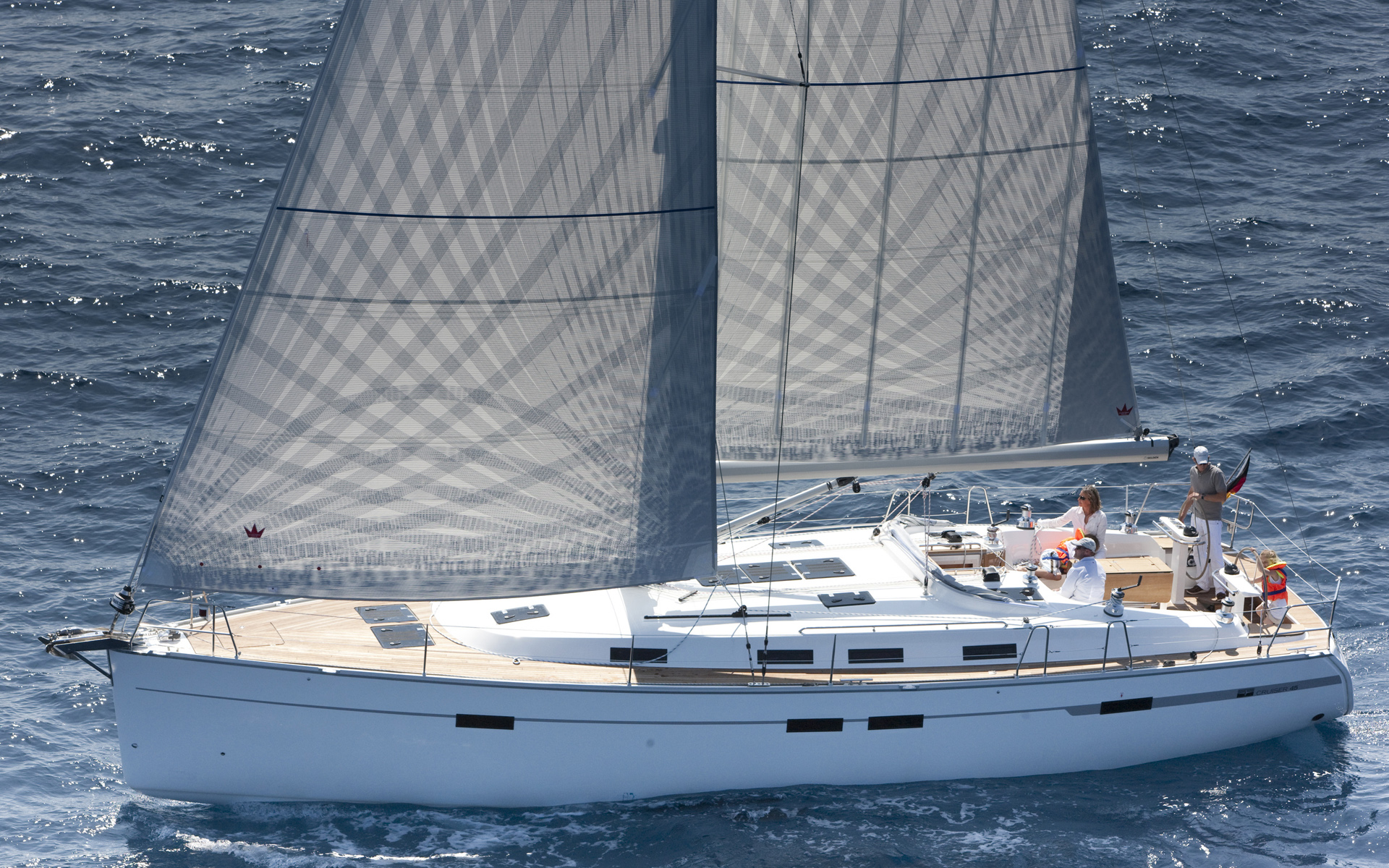
A yacht (/jɒt/) is a sail- or motor-propelled watercraft made for pleasure, cruising, or racing. There is no standard definition, though the term generally applies to vessels with a cabin intended for overnight use. To be termed a yacht, as opposed to a boat, such a pleasure vessel is likely to be at least 33 feet (10 m) in length and may have been judged to have good aesthetic qualities.
The Commercial Yacht Code classifies yachts 79 ft (24 m) and over as large. Such yachts typically require a hired crew and have higher construction standards. Further classifications for large yachts are commercial: carrying no more than 12 passengers; private: solely for the pleasure of the owner and guests, or by flag, the country under which it is registered. A superyacht (sometimes megayacht) generally refers to any yacht (sail or power) longer than 131 ft (40 m).
Racing yachts are designed to emphasize performance over comfort. Charter yachts are run as a business for profit. As of 2020, there were more than 15,000 yachts of sufficient size to require a professional crew.
The term, yacht, originates from the Dutch word jacht (pl. jachten), which means "hunt", and originally referred to light, fast sailing vessels used by the Dutch Republic navy and the Dutch East India Company.[clarification needed] Typically, a jacht would scout ahead of larger vessels in a fleet.
The history of pleasure boats begins with rowed craft in Pharaonic Egyptian times, and other vessels in the waters of Myanmar, India, Mindanao and Japan. Anglo-Saxon royal pleg-scips (play ships) of the 8th-century featured ornamented bows and sterns and had the capability of cooking on board.
The history of sailing yachts begins in Europe in the beginning of the 1600s with the building of a pleasure vessel for the son of King James I of England. While other monarchs used naval ships for transportation and conquest, James I was the first English monarch to commission the construction of a yacht—for his son Henry, Prince of Wales in the early 1600s. Pleasure vessels acquired the name yacht after the time of Charles II, who spent time exiled in Europe and visited the Netherlands, where a variety of jachten were already well developed as pleasure boats for the elite classes since the beginning of the 17th century. Upon his restoration to the English crown, Charles was presented with a yacht and later commissioned a series of royal yachts, which included at least one experimental catamaran. The first recorded yacht race between two vessels occurred in 1661, followed by the first open sailing competition in 1663 in English waters.
Starting in 1739, England found itself in a series of wars—a period that saw a decline in yachting. In Ireland, however, the gentry enjoyed yachting and founded the first yacht club in Cork as the Cork Harbour Water Club in 1720. English yacht racing continued among the English gentry who founded England's oldest yacht club in 1775 to support a fleet at Cumberland. With maritime peace, starting in 1815, came a resurgence of interest in yachting. Boatbuilders, who had been making fast vessels both for smugglers and the government revenue cutters, turned their skills again to yachts.
The fast yachts of the early 19th century were fore-and-aft luggers, schooners, and sloops. By the 1850s, yachts featured large sail areas, a narrow beam, and a deeper draft than was customary until then. Racing between yachts owned by wealthy patrons was common, with large wagers at stake. The America's Cup arose out of a contest between the yacht, America, and its English competitors. Both countries had rules by which to rate yachts, the English by tonnage and the American by length.
Hub AI
Yacht AI simulator
(@Yacht_simulator)
Yacht
A yacht (/jɒt/) is a sail- or motor-propelled watercraft made for pleasure, cruising, or racing. There is no standard definition, though the term generally applies to vessels with a cabin intended for overnight use. To be termed a yacht, as opposed to a boat, such a pleasure vessel is likely to be at least 33 feet (10 m) in length and may have been judged to have good aesthetic qualities.
The Commercial Yacht Code classifies yachts 79 ft (24 m) and over as large. Such yachts typically require a hired crew and have higher construction standards. Further classifications for large yachts are commercial: carrying no more than 12 passengers; private: solely for the pleasure of the owner and guests, or by flag, the country under which it is registered. A superyacht (sometimes megayacht) generally refers to any yacht (sail or power) longer than 131 ft (40 m).
Racing yachts are designed to emphasize performance over comfort. Charter yachts are run as a business for profit. As of 2020, there were more than 15,000 yachts of sufficient size to require a professional crew.
The term, yacht, originates from the Dutch word jacht (pl. jachten), which means "hunt", and originally referred to light, fast sailing vessels used by the Dutch Republic navy and the Dutch East India Company.[clarification needed] Typically, a jacht would scout ahead of larger vessels in a fleet.
The history of pleasure boats begins with rowed craft in Pharaonic Egyptian times, and other vessels in the waters of Myanmar, India, Mindanao and Japan. Anglo-Saxon royal pleg-scips (play ships) of the 8th-century featured ornamented bows and sterns and had the capability of cooking on board.
The history of sailing yachts begins in Europe in the beginning of the 1600s with the building of a pleasure vessel for the son of King James I of England. While other monarchs used naval ships for transportation and conquest, James I was the first English monarch to commission the construction of a yacht—for his son Henry, Prince of Wales in the early 1600s. Pleasure vessels acquired the name yacht after the time of Charles II, who spent time exiled in Europe and visited the Netherlands, where a variety of jachten were already well developed as pleasure boats for the elite classes since the beginning of the 17th century. Upon his restoration to the English crown, Charles was presented with a yacht and later commissioned a series of royal yachts, which included at least one experimental catamaran. The first recorded yacht race between two vessels occurred in 1661, followed by the first open sailing competition in 1663 in English waters.
Starting in 1739, England found itself in a series of wars—a period that saw a decline in yachting. In Ireland, however, the gentry enjoyed yachting and founded the first yacht club in Cork as the Cork Harbour Water Club in 1720. English yacht racing continued among the English gentry who founded England's oldest yacht club in 1775 to support a fleet at Cumberland. With maritime peace, starting in 1815, came a resurgence of interest in yachting. Boatbuilders, who had been making fast vessels both for smugglers and the government revenue cutters, turned their skills again to yachts.
The fast yachts of the early 19th century were fore-and-aft luggers, schooners, and sloops. By the 1850s, yachts featured large sail areas, a narrow beam, and a deeper draft than was customary until then. Racing between yachts owned by wealthy patrons was common, with large wagers at stake. The America's Cup arose out of a contest between the yacht, America, and its English competitors. Both countries had rules by which to rate yachts, the English by tonnage and the American by length.