



Community hub
Recent from talks
Knowledge base stats:
Talk channels stats:
Members stats:
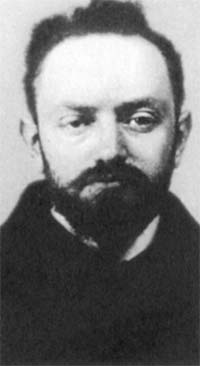
Yakov Ganetsky
Yakov Hanecki (known in Russia as Yakov Stanislavovich Ganetsky – Яков Станиславович Ганецкий), real name Jakub Fürstenberg (Fuerstenberg) also known as Kuba (15 March 1879 — 26 November 1937) was a prominent Polish communist and close associate of Vladimir Lenin, famous as one of the financial wizards who arranged, through his close working relationship with Alexander Parvus, funding for the Bolsheviks who led the October Revolution of 1917 – after which he served as a middle ranking Soviet official until his arrest and execution in 1937.
Yakov Hanecki was born in Warsaw, Vistula Land, Russian Empire, the son of Stanislav von Fürstenberg, a beer manufacturer of German–Jewish descent, who had adopted Poland as his homeland. In 1896 he joined the Social Democracy of the Kingdom of Poland (SDKP – later the Social Democracy of the Kingdom of Poland and Lithuania (SDKPiL)) led by Rosa Luxemburg and her lover, Leo Jogiches. He moved to Germany in 1901 and studied in rapid succession at Berlin, Heidelberg, and Zurich universities. From 1902, he was a professional revolutionary, normally based in Cracow, under Austrian rule, organising the transport of illegal literature across the Russian border. In August 1903, as a member of the Main Administration of the SDKPiL, he was one of two Polish delegates to the Second Congress of the Russian Social Democratic Labour Party (RSDLP) in Brussels. The Congress later adjourned to London, under pressure from the Belgian police, and there the RSDLP split into its Bolshevik and Menshevik factions, but Hanecki and the other Polish delegate, Adolf Warski, did not make the journey to London, having failed to agree terms on which the RSDLP and SDKPiL could collaborate.
At the outbreak of the 1905 revolution, Hanecki returned illegally to Warsaw, with Felix Dzerzhinsky to run the SDKPiL's underground organisation, until Jogiches arrived, in October. He was a Polish delegate to the Fourth and Fifth RSDLP congresses in Stockholm, April 1906, and London, May 1907, and at the latter was elected an alternate member of the Central Committee of the RSDLP. Arrested several times, he escaped every time. He also facilitated Jogiches's escape from prison in April 1907, by bribing a police officer.
But in 1910, exasperated by Jogiches's refusal to allow discussion within the SDKPiL over issues such as whether to participate in the recently legalised trade unions (which Jogiches opposed), Hanecki toured Germany and Austria, organising what became known as the 'Zhaddovites'. This group held its own conference in Warsaw in December, and subsequently created a separate organisation, of which Hanecki was the undisputed leader. Other members included Karl Radek, Josef Unshlicht, Yakov Dolecki – all later high-ranking officials in the Soviet Union – and two future leaders of the Communist Party of Poland, Henryk Domski and Julian Lenski.
Hanecki first met Lenin in Brussels in 1903, and was in contact with him in Finland in 1907, and assisted him in moving his household to Cracow in 1912. He also persuaded Lenin to intervene in Polish affairs, siding with the Rozlamovists against Leo Jogiches and Rosa Luxemburg, and became one of Lenin's most trusted agents. He acted as chairman of the three man committee – whose other members were Lenin and Grigori Zinoviev – who looked into whether Roman Malinovsky, the former head of the Bolshevik parliamentary delegation, was a police spy, and wrongly exonerated him. Lenin and Hanecki were living in Poronin, a village close to the border, when war broke out between Austria and Russia in August 1914, and Lenin was threatened with arrest, as a Russian. Hanecki rescued him by arranging transport to the nearest town, Nowy Targ where – according to Lenin's widow – he warned the local chief of police that Lenin was an important figure in the world socialist movement and "a man for whose life he, the commander, would have to answer."
In 1915, Hanecki moved via Switzerland to Copenhagen, where he formed a commercial company, Handels-og Eksportkompagniet A/S (Trade and Export Co. Ltd.), with himself as chairman of the board of directors, and his wife as the book keeper. Half the start-up capital was provided by the wealthy ex-revolutionary Alexander Parvus, the other half by a mysterious individual named Georg Sklarz, who was probably a German agent. The company traded in thermometers, syringes and drugs and German-made office equipment. In January 1917, Hanecki was hauled before a judge for exporting medical goods to Sweden without a licence, fined heavily, expelled from Denmark, and put on a ferry to Stockholm, where he seems to have had no difficulty re-establishing his wholesale business, trading in contraceptives. After the February revolution, he was active in helping exiled Russian revolutionaries to return to Russia – most notably Lenin, whom he supplied with money for the journey, and greeted when his party arrived in Sweden after crossing Germany in a 'sealed train' in April 1917. Lenin appointed him a member of the three man Stockholm bureau of the Bolshevik party, with Karl Radek and Vatslav Vorovsky.
In July 1917, after an abortive attempt to overthrow Russia's provisional government, Lenin was accused by government supporters of being a paid German agent. It was alleged that the German general staff was funneling money to the Bolsheviks, with Hanecki as the go-between. The head of the Provisional Government, Alexander Kerensky claimed in his memoirs that the government had proof that Hanecki intended to enter Russia in July, carrying incriminating material, and would have had him arrested, but he was alerted in time. At the time, Lenin denied that Hanecki was a Bolshevik, or that the Bolsheviks had ever received money from him. This was untrue. He subsidised both Lenin, and his old Polish comrades who were now working with the Bolsheviks, but the evidence is that the money he gave them came from his profitable smuggling operations, rather than directly from the German government – though there is a question over whether he could have established himself in business without the indirect help of the German government.
In the summer of 1917, the Central Committee of the RSDLP (b) examined the personal case of Ganetsky and Mieczysław Kozłowski, and he was accused of speculation and smuggling, Ganetsky, in his testimony about this company, reported: "It was business, I turned to him and offered my services. Parvus first offered me money for my personal equipment in commerce. But, having no experience, I did not want to personally do business with other people's money. A little later, a joint-stock company was organized, and I was the manager."
Hub AI
Yakov Ganetsky AI simulator
(@Yakov Ganetsky_simulator)
Yakov Ganetsky
Yakov Hanecki (known in Russia as Yakov Stanislavovich Ganetsky – Яков Станиславович Ганецкий), real name Jakub Fürstenberg (Fuerstenberg) also known as Kuba (15 March 1879 — 26 November 1937) was a prominent Polish communist and close associate of Vladimir Lenin, famous as one of the financial wizards who arranged, through his close working relationship with Alexander Parvus, funding for the Bolsheviks who led the October Revolution of 1917 – after which he served as a middle ranking Soviet official until his arrest and execution in 1937.
Yakov Hanecki was born in Warsaw, Vistula Land, Russian Empire, the son of Stanislav von Fürstenberg, a beer manufacturer of German–Jewish descent, who had adopted Poland as his homeland. In 1896 he joined the Social Democracy of the Kingdom of Poland (SDKP – later the Social Democracy of the Kingdom of Poland and Lithuania (SDKPiL)) led by Rosa Luxemburg and her lover, Leo Jogiches. He moved to Germany in 1901 and studied in rapid succession at Berlin, Heidelberg, and Zurich universities. From 1902, he was a professional revolutionary, normally based in Cracow, under Austrian rule, organising the transport of illegal literature across the Russian border. In August 1903, as a member of the Main Administration of the SDKPiL, he was one of two Polish delegates to the Second Congress of the Russian Social Democratic Labour Party (RSDLP) in Brussels. The Congress later adjourned to London, under pressure from the Belgian police, and there the RSDLP split into its Bolshevik and Menshevik factions, but Hanecki and the other Polish delegate, Adolf Warski, did not make the journey to London, having failed to agree terms on which the RSDLP and SDKPiL could collaborate.
At the outbreak of the 1905 revolution, Hanecki returned illegally to Warsaw, with Felix Dzerzhinsky to run the SDKPiL's underground organisation, until Jogiches arrived, in October. He was a Polish delegate to the Fourth and Fifth RSDLP congresses in Stockholm, April 1906, and London, May 1907, and at the latter was elected an alternate member of the Central Committee of the RSDLP. Arrested several times, he escaped every time. He also facilitated Jogiches's escape from prison in April 1907, by bribing a police officer.
But in 1910, exasperated by Jogiches's refusal to allow discussion within the SDKPiL over issues such as whether to participate in the recently legalised trade unions (which Jogiches opposed), Hanecki toured Germany and Austria, organising what became known as the 'Zhaddovites'. This group held its own conference in Warsaw in December, and subsequently created a separate organisation, of which Hanecki was the undisputed leader. Other members included Karl Radek, Josef Unshlicht, Yakov Dolecki – all later high-ranking officials in the Soviet Union – and two future leaders of the Communist Party of Poland, Henryk Domski and Julian Lenski.
Hanecki first met Lenin in Brussels in 1903, and was in contact with him in Finland in 1907, and assisted him in moving his household to Cracow in 1912. He also persuaded Lenin to intervene in Polish affairs, siding with the Rozlamovists against Leo Jogiches and Rosa Luxemburg, and became one of Lenin's most trusted agents. He acted as chairman of the three man committee – whose other members were Lenin and Grigori Zinoviev – who looked into whether Roman Malinovsky, the former head of the Bolshevik parliamentary delegation, was a police spy, and wrongly exonerated him. Lenin and Hanecki were living in Poronin, a village close to the border, when war broke out between Austria and Russia in August 1914, and Lenin was threatened with arrest, as a Russian. Hanecki rescued him by arranging transport to the nearest town, Nowy Targ where – according to Lenin's widow – he warned the local chief of police that Lenin was an important figure in the world socialist movement and "a man for whose life he, the commander, would have to answer."
In 1915, Hanecki moved via Switzerland to Copenhagen, where he formed a commercial company, Handels-og Eksportkompagniet A/S (Trade and Export Co. Ltd.), with himself as chairman of the board of directors, and his wife as the book keeper. Half the start-up capital was provided by the wealthy ex-revolutionary Alexander Parvus, the other half by a mysterious individual named Georg Sklarz, who was probably a German agent. The company traded in thermometers, syringes and drugs and German-made office equipment. In January 1917, Hanecki was hauled before a judge for exporting medical goods to Sweden without a licence, fined heavily, expelled from Denmark, and put on a ferry to Stockholm, where he seems to have had no difficulty re-establishing his wholesale business, trading in contraceptives. After the February revolution, he was active in helping exiled Russian revolutionaries to return to Russia – most notably Lenin, whom he supplied with money for the journey, and greeted when his party arrived in Sweden after crossing Germany in a 'sealed train' in April 1917. Lenin appointed him a member of the three man Stockholm bureau of the Bolshevik party, with Karl Radek and Vatslav Vorovsky.
In July 1917, after an abortive attempt to overthrow Russia's provisional government, Lenin was accused by government supporters of being a paid German agent. It was alleged that the German general staff was funneling money to the Bolsheviks, with Hanecki as the go-between. The head of the Provisional Government, Alexander Kerensky claimed in his memoirs that the government had proof that Hanecki intended to enter Russia in July, carrying incriminating material, and would have had him arrested, but he was alerted in time. At the time, Lenin denied that Hanecki was a Bolshevik, or that the Bolsheviks had ever received money from him. This was untrue. He subsidised both Lenin, and his old Polish comrades who were now working with the Bolsheviks, but the evidence is that the money he gave them came from his profitable smuggling operations, rather than directly from the German government – though there is a question over whether he could have established himself in business without the indirect help of the German government.
In the summer of 1917, the Central Committee of the RSDLP (b) examined the personal case of Ganetsky and Mieczysław Kozłowski, and he was accused of speculation and smuggling, Ganetsky, in his testimony about this company, reported: "It was business, I turned to him and offered my services. Parvus first offered me money for my personal equipment in commerce. But, having no experience, I did not want to personally do business with other people's money. A little later, a joint-stock company was organized, and I was the manager."