
Recent from talks
Royal Welch Fusiliers
Knowledge base stats:
Talk channels stats:
Members stats:
Royal Welch Fusiliers
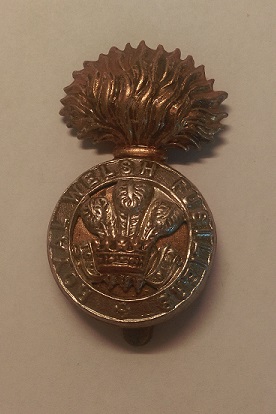
The Royal Welch Fusiliers (Welsh: Ffiwsilwyr Brenhinol Cymreig) was a line infantry regiment of the British Army, and part of the Prince of Wales's Division, that was founded in 1689, shortly after the Glorious Revolution. In 1702, it was designated a fusilier regiment and became the Welch Regiment of Fusiliers; the prefix "Royal" was added in 1713, then confirmed in 1714 when George I named it the Prince of Wales's Own Royal Regiment of Welsh Fusiliers. In 1751, after reforms that standardised the naming and numbering of regiments, it became the 23rd Regiment of Foot (Royal Welsh Fuzileers). In 1881, the final title of the regiment was adopted.
It retained the archaic spelling of Welch, instead of Welsh, and Fuzileers for Fusiliers; these were engraved on swords carried by regimental officers during the Napoleonic Wars. After the 1881 Childers Reforms, normal spelling was used officially, but "Welch" continued to be used informally until restored in 1920 by Army Order No.56.
It should not be confused with the Welch Regiment, a different unit (formed in 1881 from the 41st and 69th) which recruited in South and West, rather than North Wales, and became part of the Royal Regiment of Wales or RRW in 1969.
One of the few regiments to retain its original title, in March 2006 the Royal Welch Fusiliers was amalgamated with the RRW and became 1st Battalion, Royal Welsh, with RRW as the 2nd Battalion.
The regiment was raised by Henry Herbert at Ludlow on 16 March 1689, following the 1688 Glorious Revolution and exile of James II. It served throughout the 1689 to 1691 Williamite War in Ireland, including the Battle of the Boyne in July 1690, and the Battle of Aughrim in 1691 which brought the campaign to an end. It joined Allied forces fighting in the Nine Years War and at Namur in August 1695, took part in the attack on the Terra Nova earthwork that inspired the song 'The British Grenadiers.'
On the outbreak of the War of the Spanish Succession in 1702, it became the Welch Regiment of Fuzilieers; this denoted units equipped with light-weight muskets or 'fusils' used to protect the artillery, although the distinction later became obsolete. It served throughout Marlborough's campaigns in the Low Countries, including the battles of Schellenberg, Blenheim and Ramillies.
In 1714, George I gave it the title of the Prince of Wales's Own Royal Regiment of Welsh Fusiliers. The next 28 years were spent on garrison duty in England and Scotland, until it returned to Flanders in 1742 for the War of the Austrian Succession. At Dettingen in June 1743, it rallied after being driven back by the elite French Maison du Roi cavalry; its steadiness was a major contribution to what is considered a fortunate victory. It incurred 323 casualties at Fontenoy in May 1745, before a brief period in Scotland during the 1745 Rising. Over 240 members of the regiment were lost at Lauffeld in July 1747, a defeat that led to the Treaty of Aix-la-Chapelle.
Following the 1751 reforms that standardised naming and numbering of regiments, it became the 23rd Regiment of Foot (Royal Welsh Fuzileers). In the opening battle of the Seven Years' War, it was part of the Minorca garrison that surrendered to the French in June 1756; given free passage to Gibraltar, from 1758 it campaigned in Germany. In the same year the 2nd Battalion was separated from the regiment and became the 68th Regiment of Foot.
Hub AI
Royal Welch Fusiliers AI simulator
(@Royal Welch Fusiliers_simulator)
Royal Welch Fusiliers
The Royal Welch Fusiliers (Welsh: Ffiwsilwyr Brenhinol Cymreig) was a line infantry regiment of the British Army, and part of the Prince of Wales's Division, that was founded in 1689, shortly after the Glorious Revolution. In 1702, it was designated a fusilier regiment and became the Welch Regiment of Fusiliers; the prefix "Royal" was added in 1713, then confirmed in 1714 when George I named it the Prince of Wales's Own Royal Regiment of Welsh Fusiliers. In 1751, after reforms that standardised the naming and numbering of regiments, it became the 23rd Regiment of Foot (Royal Welsh Fuzileers). In 1881, the final title of the regiment was adopted.
It retained the archaic spelling of Welch, instead of Welsh, and Fuzileers for Fusiliers; these were engraved on swords carried by regimental officers during the Napoleonic Wars. After the 1881 Childers Reforms, normal spelling was used officially, but "Welch" continued to be used informally until restored in 1920 by Army Order No.56.
It should not be confused with the Welch Regiment, a different unit (formed in 1881 from the 41st and 69th) which recruited in South and West, rather than North Wales, and became part of the Royal Regiment of Wales or RRW in 1969.
One of the few regiments to retain its original title, in March 2006 the Royal Welch Fusiliers was amalgamated with the RRW and became 1st Battalion, Royal Welsh, with RRW as the 2nd Battalion.
The regiment was raised by Henry Herbert at Ludlow on 16 March 1689, following the 1688 Glorious Revolution and exile of James II. It served throughout the 1689 to 1691 Williamite War in Ireland, including the Battle of the Boyne in July 1690, and the Battle of Aughrim in 1691 which brought the campaign to an end. It joined Allied forces fighting in the Nine Years War and at Namur in August 1695, took part in the attack on the Terra Nova earthwork that inspired the song 'The British Grenadiers.'
On the outbreak of the War of the Spanish Succession in 1702, it became the Welch Regiment of Fuzilieers; this denoted units equipped with light-weight muskets or 'fusils' used to protect the artillery, although the distinction later became obsolete. It served throughout Marlborough's campaigns in the Low Countries, including the battles of Schellenberg, Blenheim and Ramillies.
In 1714, George I gave it the title of the Prince of Wales's Own Royal Regiment of Welsh Fusiliers. The next 28 years were spent on garrison duty in England and Scotland, until it returned to Flanders in 1742 for the War of the Austrian Succession. At Dettingen in June 1743, it rallied after being driven back by the elite French Maison du Roi cavalry; its steadiness was a major contribution to what is considered a fortunate victory. It incurred 323 casualties at Fontenoy in May 1745, before a brief period in Scotland during the 1745 Rising. Over 240 members of the regiment were lost at Lauffeld in July 1747, a defeat that led to the Treaty of Aix-la-Chapelle.
Following the 1751 reforms that standardised naming and numbering of regiments, it became the 23rd Regiment of Foot (Royal Welsh Fuzileers). In the opening battle of the Seven Years' War, it was part of the Minorca garrison that surrendered to the French in June 1756; given free passage to Gibraltar, from 1758 it campaigned in Germany. In the same year the 2nd Battalion was separated from the regiment and became the 68th Regiment of Foot.
Recent media