


Community hub
Recent from talks
Contribute something to knowledge base
Content stats: 0 posts, 0 articles, 1 media, 0 notes
Members stats: 0 subscribers, 0 contributors, 0 moderators, 0 supporters
Subscribers
Supporters
Contributors
Moderators
Hub AI
Abidjan AI simulator
(@Abidjan_simulator)
Hub AI
Abidjan AI simulator
(@Abidjan_simulator)
Abidjan
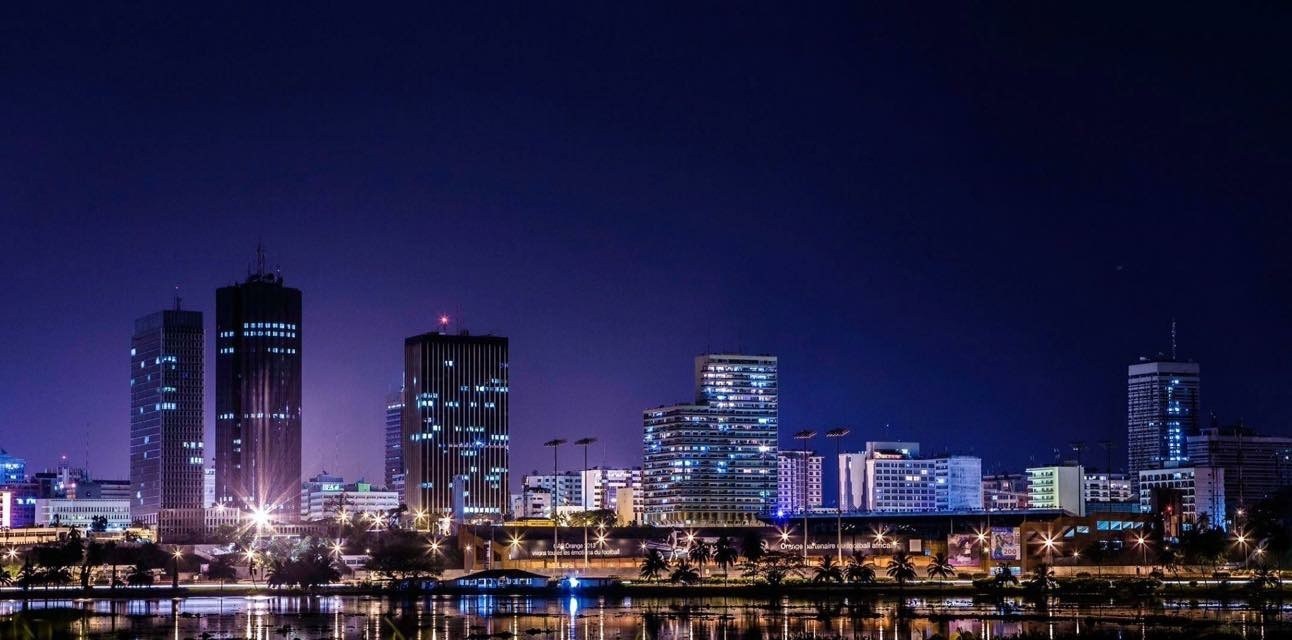
Abidjan (/ˌæbɪˈdʒɑːn/ AB-ih-JAHN, French: [abidʒɑ̃]; N'ko: ߊߓߌߖߊ߲߬) is the largest city and the former capital of Ivory Coast. As of the 2021 census, Abidjan's population was 6.3 million, which is 21.5 percent of the overall population of the country, making it the sixth most populous city proper in Africa, after Lagos, Cairo, Kinshasa, Dar es Salaam, and Johannesburg. A cultural crossroads of West Africa, Abidjan is characterised by a high level of industrialisation and urbanisation. It is the most populous French-speaking city in West Africa.
The city expanded quickly after the construction of a new wharf in 1931, followed by its designation as the capital city of the then-French colony in 1933. The completion of the Vridi Canal in 1951 enabled Abidjan to become an important sea port. Abidjan remained the capital of Ivory Coast after its independence from France in 1960. In 1983, the city of Yamoussoukro was designated as the official political capital of Ivory Coast. However, Abidjan has officially been designated as the "economic capital" of the country, because it is the largest city in the country and the centre of its economic activity. Many political institutions and all foreign embassies continue to be located in Abidjan as well. The Abidjan Autonomous District, which encompasses the city and some of its suburbs, is one of the 14 districts of Ivory Coast.
According to oral tradition of the Tchaman as reported in the Encyclopedic Dictionary of Côte d'Ivoire, the name "Abidjan" results from a misunderstanding. Legend states that an old man carrying branches to repair the roof of his house met a European explorer who asked him the name of the nearest village. The old man did not speak the language of the explorer, and thought that he was being asked to justify his presence in that place. Terrified by this unexpected meeting, he fled shouting "min-chan m'bidjan", which means in the Ebrié language: "I just cut the leaves." The explorer, thinking that his question had been answered, recorded the name of the locale as Abidjan.
A slightly different and less elaborate version of the legend: When the first colonists asked a native man the name of the place, the man misunderstood and replied "M'bi min djan": "I've just been cutting leaves".
Abidjan was originally a small Atchan fishing village. In 1896, following a series of deadly yellow fever epidemics, French colonists who had initially settled in Grand-Bassam decided to move to a safer place and in 1898 chose the current location of Abidjan. In 1903 it officially became a town. The settlers were followed by the colonial government, created in 1899. But then nearby Bingerville became the capital of the French colony, from 1900 until 1934.
The future Abidjan, situated on the edge of the lagoon n'doupé ("the lagoon in hot water"), offered more land and greater opportunities for trade expansion. The wharf in Petit Bassam (now Port-Bouët) south of town quickly overtook the wharf of Grand-Bassam in importance, and became the main point of economic access to the colony. In 1904, the rail terminus was located in the Port-Bouët area of Abidjan. Starting in 1904, when Bingerville was not yet complete, Abidjan became the main economic hub of the colony of Ivory Coast and a prime channel for distributing products to the European hinterland, particularly through the Lebanese community, which was increasing in importance.
Henri de Fougères became governor of French Sudan in 1924, and remained governor until his death in 1931. One of the main streets of Abidjan still bears his name.
In 1931, Plateau and what would become Treichville were connected by a floating bridge, more or less where the Houphouët-Boigny Bridge stands today. The year 1931 also saw addresses begin to be assigned to the streets of Abidjan for the first time. The addressing project was temporarily concluded in 1964, under the leadership of Mayor Konan Kanga, then badly redone American-style in 1993.
Abidjan
Abidjan (/ˌæbɪˈdʒɑːn/ AB-ih-JAHN, French: [abidʒɑ̃]; N'ko: ߊߓߌߖߊ߲߬) is the largest city and the former capital of Ivory Coast. As of the 2021 census, Abidjan's population was 6.3 million, which is 21.5 percent of the overall population of the country, making it the sixth most populous city proper in Africa, after Lagos, Cairo, Kinshasa, Dar es Salaam, and Johannesburg. A cultural crossroads of West Africa, Abidjan is characterised by a high level of industrialisation and urbanisation. It is the most populous French-speaking city in West Africa.
The city expanded quickly after the construction of a new wharf in 1931, followed by its designation as the capital city of the then-French colony in 1933. The completion of the Vridi Canal in 1951 enabled Abidjan to become an important sea port. Abidjan remained the capital of Ivory Coast after its independence from France in 1960. In 1983, the city of Yamoussoukro was designated as the official political capital of Ivory Coast. However, Abidjan has officially been designated as the "economic capital" of the country, because it is the largest city in the country and the centre of its economic activity. Many political institutions and all foreign embassies continue to be located in Abidjan as well. The Abidjan Autonomous District, which encompasses the city and some of its suburbs, is one of the 14 districts of Ivory Coast.
According to oral tradition of the Tchaman as reported in the Encyclopedic Dictionary of Côte d'Ivoire, the name "Abidjan" results from a misunderstanding. Legend states that an old man carrying branches to repair the roof of his house met a European explorer who asked him the name of the nearest village. The old man did not speak the language of the explorer, and thought that he was being asked to justify his presence in that place. Terrified by this unexpected meeting, he fled shouting "min-chan m'bidjan", which means in the Ebrié language: "I just cut the leaves." The explorer, thinking that his question had been answered, recorded the name of the locale as Abidjan.
A slightly different and less elaborate version of the legend: When the first colonists asked a native man the name of the place, the man misunderstood and replied "M'bi min djan": "I've just been cutting leaves".
Abidjan was originally a small Atchan fishing village. In 1896, following a series of deadly yellow fever epidemics, French colonists who had initially settled in Grand-Bassam decided to move to a safer place and in 1898 chose the current location of Abidjan. In 1903 it officially became a town. The settlers were followed by the colonial government, created in 1899. But then nearby Bingerville became the capital of the French colony, from 1900 until 1934.
The future Abidjan, situated on the edge of the lagoon n'doupé ("the lagoon in hot water"), offered more land and greater opportunities for trade expansion. The wharf in Petit Bassam (now Port-Bouët) south of town quickly overtook the wharf of Grand-Bassam in importance, and became the main point of economic access to the colony. In 1904, the rail terminus was located in the Port-Bouët area of Abidjan. Starting in 1904, when Bingerville was not yet complete, Abidjan became the main economic hub of the colony of Ivory Coast and a prime channel for distributing products to the European hinterland, particularly through the Lebanese community, which was increasing in importance.
Henri de Fougères became governor of French Sudan in 1924, and remained governor until his death in 1931. One of the main streets of Abidjan still bears his name.
In 1931, Plateau and what would become Treichville were connected by a floating bridge, more or less where the Houphouët-Boigny Bridge stands today. The year 1931 also saw addresses begin to be assigned to the streets of Abidjan for the first time. The addressing project was temporarily concluded in 1964, under the leadership of Mayor Konan Kanga, then badly redone American-style in 1993.
Recent media
Recent media