


Community hub
Recent from talks
Contribute something to knowledge base
Content stats: 0 posts, 0 articles, 1 media, 0 notes
Members stats: 0 subscribers, 0 contributors, 0 moderators, 0 supporters
Subscribers
Supporters
Contributors
Moderators
Al Bowlly
Albert Allick Bowlly (7 January 1899 – 17 April 1941) was a British vocalist, crooner, and dance band guitarist who was Britain's most popular singer for most of the 1930s. He recorded upwards of 1,000 songs that were listened to by millions in Britain and other English speaking countries, seeing further success in the United States.
His most popular songs include "Midnight, the Stars and You", "Blue Moon", "Goodnight, Sweetheart", "Close Your Eyes", "The Very Thought of You", "Guilty", "Heartaches" and "Love Is the Sweetest Thing". He also recorded the only English version of "Dark Eyes" by Adalgiso Ferraris, as "Black Eyes", with lyrics by Albert Mellor.
He was born in 1899 in Lourenço Marques (today Maputo) in the Portuguese colony of Mozambique. His father, Alick, was a Greek Orthodox Christian from the island of Rhodes. His mother, Miriam Ayoub-NeeJame, was a Lebanese Catholic, though Bowlly was raised Greek Orthodox. They met en route to Australia and moved to British South Africa. Bowlly was brought up in Johannesburg. The family's original surname was Pauli, which was misspelt as Bowlly; Alick was only able to speak and read Greek, so the mistake went unnoticed and the name became permanent.
After a series of odd jobs in Colesberg, South Africa, including barber and jockey, he sang in a dance band led by Edgar Adeler on a tour of South Africa, Rhodesia, India and the Dutch East Indies during the early to mid-1920s. His main role was as guitarist. He was fired from the band in Soerabaja, Dutch East Indies.
Jimmy Lequime hired Bowlly to sing with his band in India and Singapore at Raffles Hotel. When he left Lequime, it was with the pianist Monia Liter, the two of them travelling to Germany, where they played with Arthur Briggs and his Savoy Syncopators, Fred Bird's Salon Symphonic Jazz Band, and George Carhart's New Yorkers Jazz Orchestra. In 1927 Bowlly made his first record, a cover version of "Blue Skies" by Irving Berlin that was recorded with Adeler in Berlin, Germany. During the next year, Bowlly worked in London, with the orchestra of Fred Elizalde.
Bowlly moved to Britain, where in July 1928 he joined Fred Elizalde's band at the Savoy Hotel, London until 1929. He went on to play with various bands on a temporary basis, before gaining more regular employment in May 1931 with Roy Fox, singing in his live band for the Monseigneur Restaurant, a stylish restaurant on Piccadilly in London, and with bandleader Ray Noble in November 1930.
During the next four years, he recorded over 500 songs. By 1933, Lew Stone had ousted Fox as the Monseigneur's bandleader and Bowlly was singing Stone's arrangements with Stone's band. After much radio exposure and a successful British tour with Stone, Bowlly was now Britain's top singer, and was inundated with demands for appearances and gigs – including undertaking a solo British tour – but continued to make most of his recordings with Noble. There was considerable competition between Noble and Stone for Bowlly's time. For much of the year, Bowlly spent the day in the recording studio with Noble's band, rehearsing and recording, then the evening with Stone's band at the Monseigneur. Many of these recordings with Noble were issued in the United States by Victor, which meant that by the time Noble and Bowlly came to America, their reputation had preceded them.
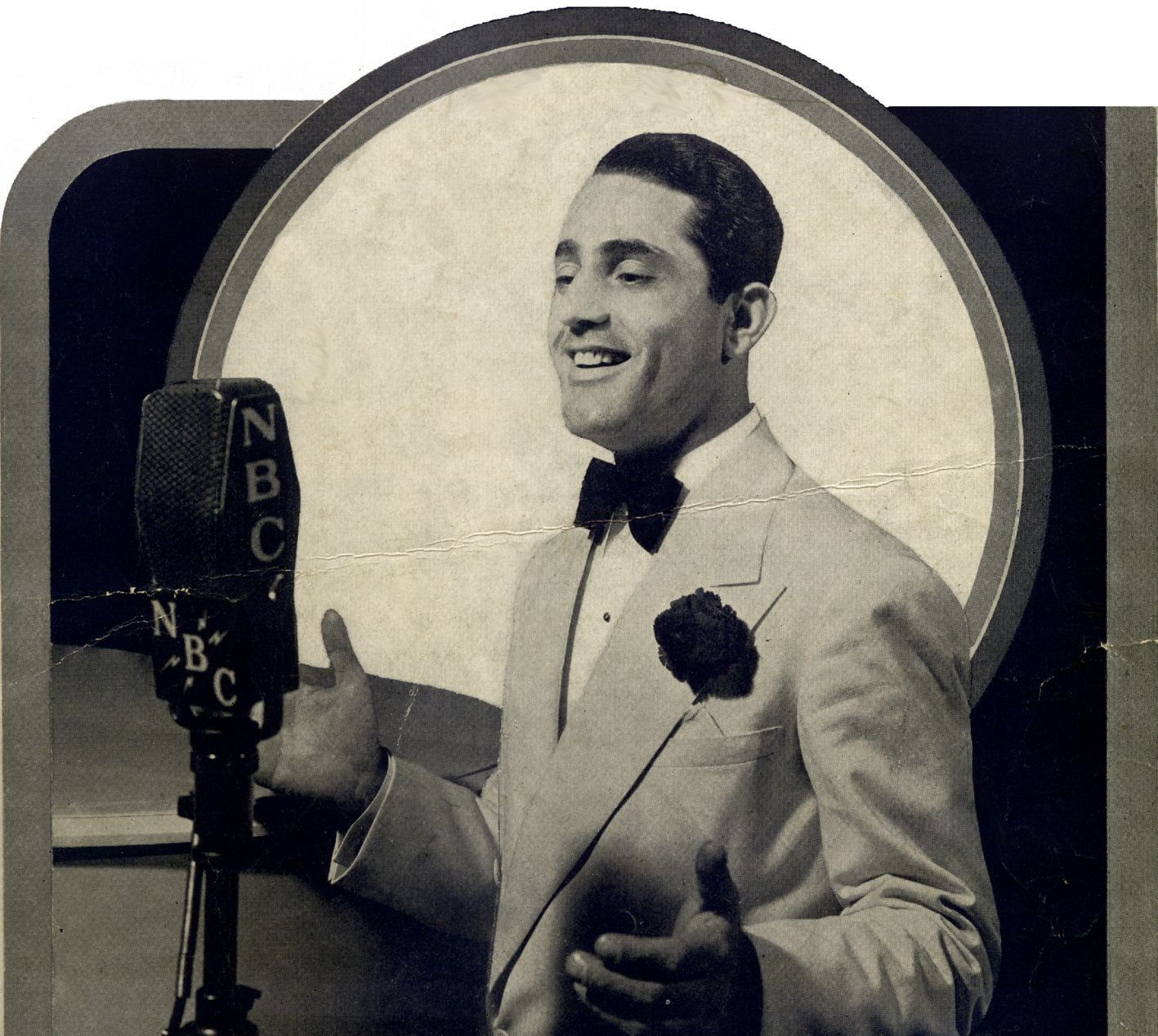
Once Bowlly and Noble arrived in the States in Autumn of 1934, Noble assembled a new orchestra, which included notable artists such as Charlie Spivak, Glenn Miller, Bud Freeman, and Pee Wee Erwin. Noble's Orchestra was resident in the Rainbow Room atop the Rockefeller Center in New York. Noble and Bowlly would broadcast over NBC and CBS, causing Ray Noble's Orchestra to be one of the most popular Dance Orchestras in the United States. Bowlly was also riding high in the States; he had his own NBC radio series, a magazine that featured the latest news and press interviews about Bowlly, his picture was on sheet music, and he even beat Bing Crosby in a nationwide popularity poll in 1936.
Al Bowlly
Albert Allick Bowlly (7 January 1899 – 17 April 1941) was a British vocalist, crooner, and dance band guitarist who was Britain's most popular singer for most of the 1930s. He recorded upwards of 1,000 songs that were listened to by millions in Britain and other English speaking countries, seeing further success in the United States.
His most popular songs include "Midnight, the Stars and You", "Blue Moon", "Goodnight, Sweetheart", "Close Your Eyes", "The Very Thought of You", "Guilty", "Heartaches" and "Love Is the Sweetest Thing". He also recorded the only English version of "Dark Eyes" by Adalgiso Ferraris, as "Black Eyes", with lyrics by Albert Mellor.
He was born in 1899 in Lourenço Marques (today Maputo) in the Portuguese colony of Mozambique. His father, Alick, was a Greek Orthodox Christian from the island of Rhodes. His mother, Miriam Ayoub-NeeJame, was a Lebanese Catholic, though Bowlly was raised Greek Orthodox. They met en route to Australia and moved to British South Africa. Bowlly was brought up in Johannesburg. The family's original surname was Pauli, which was misspelt as Bowlly; Alick was only able to speak and read Greek, so the mistake went unnoticed and the name became permanent.
After a series of odd jobs in Colesberg, South Africa, including barber and jockey, he sang in a dance band led by Edgar Adeler on a tour of South Africa, Rhodesia, India and the Dutch East Indies during the early to mid-1920s. His main role was as guitarist. He was fired from the band in Soerabaja, Dutch East Indies.
Jimmy Lequime hired Bowlly to sing with his band in India and Singapore at Raffles Hotel. When he left Lequime, it was with the pianist Monia Liter, the two of them travelling to Germany, where they played with Arthur Briggs and his Savoy Syncopators, Fred Bird's Salon Symphonic Jazz Band, and George Carhart's New Yorkers Jazz Orchestra. In 1927 Bowlly made his first record, a cover version of "Blue Skies" by Irving Berlin that was recorded with Adeler in Berlin, Germany. During the next year, Bowlly worked in London, with the orchestra of Fred Elizalde.
Bowlly moved to Britain, where in July 1928 he joined Fred Elizalde's band at the Savoy Hotel, London until 1929. He went on to play with various bands on a temporary basis, before gaining more regular employment in May 1931 with Roy Fox, singing in his live band for the Monseigneur Restaurant, a stylish restaurant on Piccadilly in London, and with bandleader Ray Noble in November 1930.
During the next four years, he recorded over 500 songs. By 1933, Lew Stone had ousted Fox as the Monseigneur's bandleader and Bowlly was singing Stone's arrangements with Stone's band. After much radio exposure and a successful British tour with Stone, Bowlly was now Britain's top singer, and was inundated with demands for appearances and gigs – including undertaking a solo British tour – but continued to make most of his recordings with Noble. There was considerable competition between Noble and Stone for Bowlly's time. For much of the year, Bowlly spent the day in the recording studio with Noble's band, rehearsing and recording, then the evening with Stone's band at the Monseigneur. Many of these recordings with Noble were issued in the United States by Victor, which meant that by the time Noble and Bowlly came to America, their reputation had preceded them.
Once Bowlly and Noble arrived in the States in Autumn of 1934, Noble assembled a new orchestra, which included notable artists such as Charlie Spivak, Glenn Miller, Bud Freeman, and Pee Wee Erwin. Noble's Orchestra was resident in the Rainbow Room atop the Rockefeller Center in New York. Noble and Bowlly would broadcast over NBC and CBS, causing Ray Noble's Orchestra to be one of the most popular Dance Orchestras in the United States. Bowlly was also riding high in the States; he had his own NBC radio series, a magazine that featured the latest news and press interviews about Bowlly, his picture was on sheet music, and he even beat Bing Crosby in a nationwide popularity poll in 1936.
Recent media
Recent media