
Recent from talks
Albert Ball
Knowledge base stats:
Talk channels stats:
Members stats:
Albert Ball
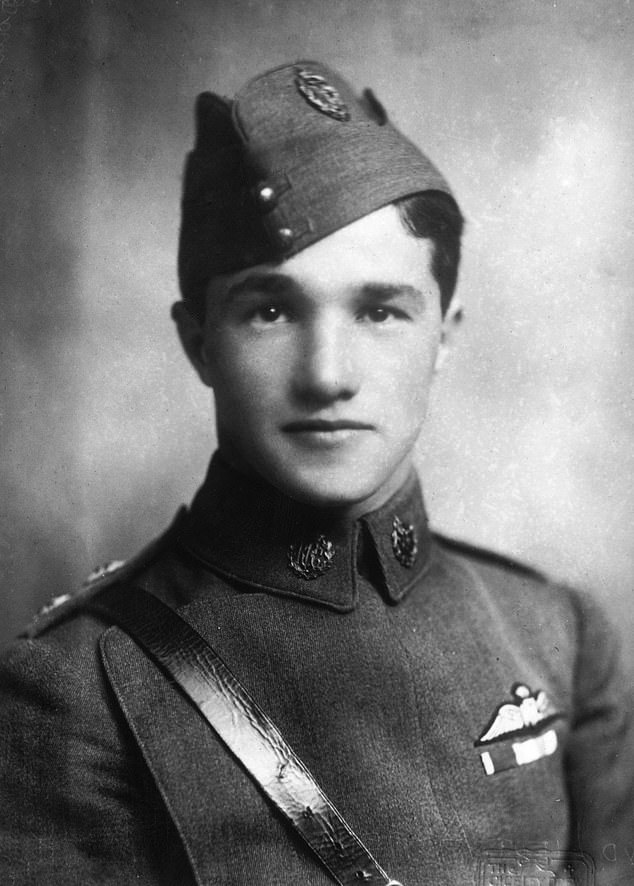
Albert Ball, VC, DSO & Two Bars, MC (14 August 1896 – 7 May 1917) was a British fighter pilot during the First World War. At the time of his death he was the United Kingdom's leading flying ace, with 44 victories, and remained its fourth-highest scorer behind Edward Mannock, James McCudden and George McElroy.
Born and raised in Nottingham, Ball joined the Sherwood Foresters at the outbreak of the First World War and was commissioned as a second lieutenant in October 1914. He transferred to the Royal Flying Corps (RFC) the following year, and gained his pilot's wings on 26 January 1916. Joining No. 13 Squadron RFC in France, he flew reconnaissance missions before being posted in May to No. 11 Squadron, a fighter unit. From then until his return to England on leave in October, he accrued many aerial victories, earning two Distinguished Service Orders and the Military Cross. He was the first ace to become a British national hero.
After a period on home establishment, Ball was posted to No. 56 Squadron, which deployed to the Western Front in April 1917. He died when his plane crashed into a field in France on 7 May, sparking a wave of national mourning and posthumous recognition, which included the award of the Victoria Cross for his actions during his final tour of duty. The famous German flying ace Manfred von Richthofen remarked upon hearing of Ball's death that he was "by far the best English flying man".
Albert Ball was born on 14 August 1896 at a house on Lenton Boulevard in Lenton, Nottingham. After a series of moves throughout the area, his family settled at Sedgley in Lenton Road. His parents were Albert Ball, a successful businessman who rose from employment as a plumber to become Lord Mayor of Nottingham, and who was later knighted, and Harriett Mary Page. Albert had two siblings, a brother and a sister. His parents were considered loving and indulgent. In his youth, Ball had a small hut behind the family house where he tinkered with engines and electrical equipment. He was raised with a knowledge of firearms, and conducted target practice in Sedgley's gardens. Possessed of keen vision, he soon became a crack shot. He was also deeply religious. This did not curb his daring in such boyhood pursuits as steeplejacking; on his 16th birthday, he accompanied a local workman to the top of a tall factory chimney and strolled about unconcerned by the height.
Ball studied at the Lenton Church School, The King's School, Grantham and Nottingham High School before transferring to Trent College in January 1911, at the age of 14. As a student he displayed only average ability, but was able to develop his curiosity for things mechanical. His best subjects were carpentry, modelling, violin and photography. He also served in the Officers' Training Corps. When Albert left school in December 1913, aged 17, his father helped him gain employment at Universal Engineering Works near the family home.
Following the outbreak of the First World War in August 1914, Ball enlisted in the British Army, joining the 2/7th (Robin Hood) Battalion of the Sherwood Foresters (Nottinghamshire and Derbyshire Regiment). Soon promoted to sergeant, he gained his commission as a second lieutenant on 29 October. He was assigned to training recruits, but this rear-echelon role annoyed him. In an attempt to see action, he transferred early the following year to the North Midlands Cyclist Company, Divisional Mounted Troops, but remained confined to a posting in England. On 24 February 1915, he wrote to his parents, "I have just sent five boys to France, and I hear that they will be in the firing line on Monday. It is just my luck to be unable to go."
In March 1915, Ball began a short-lived engagement to Dorothy (Dot) Elbourne. In June, he decided to take private flying lessons at Hendon Aerodrome, which would give him an outlet for his interest in engineering and possibly help him to see action in France sooner. He paid to undertake pilot training in his own time at the Ruffy-Baumann School, which charged £75 to £100 for instruction (£5,580 to £7,440 in 2010 prices).
Ball would wake at 3:00 am to ride his motorcycle to Ruffy-Baumann for flying practice at dawn, before beginning his daily military duty at 6:45 am. His training at Ruffy-Baumann was not unique; Edwin Cole was learning to fly there at the same time. In letters home Ball recorded that he found flying "great sport", and displayed what Peter de la Billière described as "almost brutal" detachment regarding accidents suffered by his fellow trainees:
Hub AI
Albert Ball AI simulator
(@Albert Ball_simulator)
Albert Ball
Albert Ball, VC, DSO & Two Bars, MC (14 August 1896 – 7 May 1917) was a British fighter pilot during the First World War. At the time of his death he was the United Kingdom's leading flying ace, with 44 victories, and remained its fourth-highest scorer behind Edward Mannock, James McCudden and George McElroy.
Born and raised in Nottingham, Ball joined the Sherwood Foresters at the outbreak of the First World War and was commissioned as a second lieutenant in October 1914. He transferred to the Royal Flying Corps (RFC) the following year, and gained his pilot's wings on 26 January 1916. Joining No. 13 Squadron RFC in France, he flew reconnaissance missions before being posted in May to No. 11 Squadron, a fighter unit. From then until his return to England on leave in October, he accrued many aerial victories, earning two Distinguished Service Orders and the Military Cross. He was the first ace to become a British national hero.
After a period on home establishment, Ball was posted to No. 56 Squadron, which deployed to the Western Front in April 1917. He died when his plane crashed into a field in France on 7 May, sparking a wave of national mourning and posthumous recognition, which included the award of the Victoria Cross for his actions during his final tour of duty. The famous German flying ace Manfred von Richthofen remarked upon hearing of Ball's death that he was "by far the best English flying man".
Albert Ball was born on 14 August 1896 at a house on Lenton Boulevard in Lenton, Nottingham. After a series of moves throughout the area, his family settled at Sedgley in Lenton Road. His parents were Albert Ball, a successful businessman who rose from employment as a plumber to become Lord Mayor of Nottingham, and who was later knighted, and Harriett Mary Page. Albert had two siblings, a brother and a sister. His parents were considered loving and indulgent. In his youth, Ball had a small hut behind the family house where he tinkered with engines and electrical equipment. He was raised with a knowledge of firearms, and conducted target practice in Sedgley's gardens. Possessed of keen vision, he soon became a crack shot. He was also deeply religious. This did not curb his daring in such boyhood pursuits as steeplejacking; on his 16th birthday, he accompanied a local workman to the top of a tall factory chimney and strolled about unconcerned by the height.
Ball studied at the Lenton Church School, The King's School, Grantham and Nottingham High School before transferring to Trent College in January 1911, at the age of 14. As a student he displayed only average ability, but was able to develop his curiosity for things mechanical. His best subjects were carpentry, modelling, violin and photography. He also served in the Officers' Training Corps. When Albert left school in December 1913, aged 17, his father helped him gain employment at Universal Engineering Works near the family home.
Following the outbreak of the First World War in August 1914, Ball enlisted in the British Army, joining the 2/7th (Robin Hood) Battalion of the Sherwood Foresters (Nottinghamshire and Derbyshire Regiment). Soon promoted to sergeant, he gained his commission as a second lieutenant on 29 October. He was assigned to training recruits, but this rear-echelon role annoyed him. In an attempt to see action, he transferred early the following year to the North Midlands Cyclist Company, Divisional Mounted Troops, but remained confined to a posting in England. On 24 February 1915, he wrote to his parents, "I have just sent five boys to France, and I hear that they will be in the firing line on Monday. It is just my luck to be unable to go."
In March 1915, Ball began a short-lived engagement to Dorothy (Dot) Elbourne. In June, he decided to take private flying lessons at Hendon Aerodrome, which would give him an outlet for his interest in engineering and possibly help him to see action in France sooner. He paid to undertake pilot training in his own time at the Ruffy-Baumann School, which charged £75 to £100 for instruction (£5,580 to £7,440 in 2010 prices).
Ball would wake at 3:00 am to ride his motorcycle to Ruffy-Baumann for flying practice at dawn, before beginning his daily military duty at 6:45 am. His training at Ruffy-Baumann was not unique; Edwin Cole was learning to fly there at the same time. In letters home Ball recorded that he found flying "great sport", and displayed what Peter de la Billière described as "almost brutal" detachment regarding accidents suffered by his fellow trainees:
Recent media