
Recent from talks
Alcohol monopoly
Knowledge base stats:
Talk channels stats:
Members stats:
Alcohol monopoly
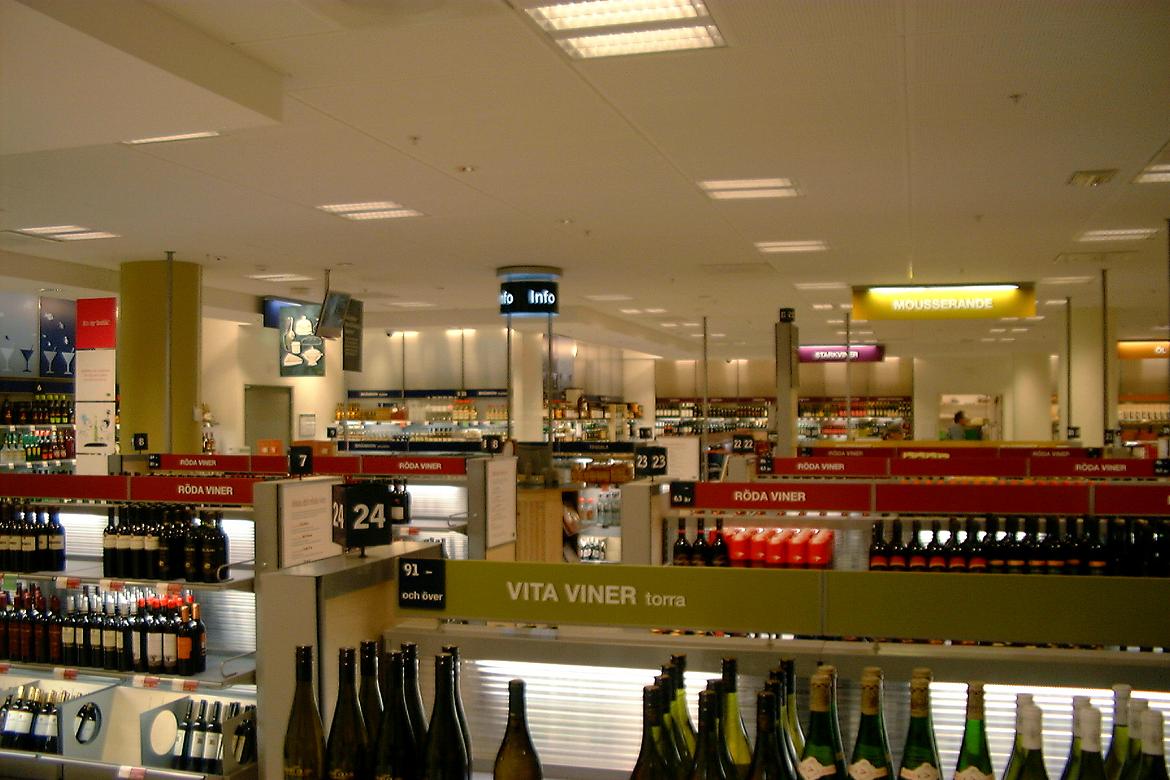
An alcohol monopoly is a government monopoly on manufacturing and/or retailing of some or all alcoholic beverages, such as beer, wine and spirits. It can be used as an alternative for total prohibition of alcohol. They exist in all Nordic countries except Denmark proper (only on the Faroe Islands), and in all provinces and territories in Canada except Alberta (which privatised its monopoly in 1993). In the United States, there are some alcoholic beverage control states, where alcohol wholesale is controlled by a state government operation and retail sales are offered by either state or private retailers.
An alcohol monopoly also existed in Taiwan between 1947 and 2002, which uniquely, did not actually serve as a form of reducing alcohol use, as was the case in the Nordic countries, Canada and the U.S., but was simply a continuation of the system established during Japanese rule of Taiwan. The Taiwanese market was gradually opened to overseas brands starting from 1987, with full liberalisation in 2002, the year when Taiwan was admitted to the WTO. Similarly, the alcohol monopoly in Turkey that existed between 1932 and 2008, was the continuation of the system established by the Ottoman Capitulations and did not serve for reducing alcohol usage.
The first modern alcohol monopoly was created in the Swedish town of Falun in 1850, to prevent overconsumption and reduce the profit motive for sales of alcohol. It later went all over the country in 1905 when the Swedish parliament ordered all sales of vodka to be done via local alcohol monopolies. In 1894, the Russian Empire established a state monopoly on vodka, which became a major source of revenue for the Russian government.
Following the prohibition of alcohol in Norway in 1919, the wine-producing nations demanded a reflexive policy regarding the goods exported from Norway, and Vinmonopolet was established in 1922, as a response to a deal with France, which allowed Norwegians to buy as much table wine of any kind as they wanted. When prohibition was lifted on fortified wine in 1923 and spirits in 1926, Vinmonopolet assumed sales of these goods as well.
Unlike most of its Nordic neighbours, Denmark proper never had any period of alcohol prohibition or any state-owned alcohol monopoly, giving rise to its relatively liberal alcohol laws and drinking culture, however, the Faroe Islands, now a constituent country of the Kingdom of Denmark but then a county of Denmark, enacted alcohol prohibition in 1908 following a referendum held the previous year. Faroese people were however allowed to import very limited quantities of alcohol from Denmark proper for personal consumption after 1928, and after a referendum to lift prohibition in the Faroe Islands failed in 1973, the Faroe Islands finally lifted alcohol prohibition in 1992 with the establishment of the Rúsdrekkasøla Landsins alcohol monopoly that same year.
In Estonia, when the country was part of the Russian Empire, the abovementioned Russian Empire vodka monopoly was in place until 4 September 1914, when alcohol prohibition was enacted due to World War I. This prohibition lasted de facto until approximately 1917 and de jure until the end of World War I the following year. Alcohol prohibition was again enacted from 30 December 1918 until the spring of 1919 during Estonian War of Independence. As a result of social upheavals during said periods, the Estonian government, as an alternative to total prohibition, decided to institute the tšekisüsteem on 1 July 1920, which allowed individual municipalities to control the sale and distribution of alcoholic beverages, while the capital city of Tallinn additionally also allowed 25 fine dining restaurants to sell alcohol. Estonia abolished the tšekisüsteem on 31 December 1925 and retail sales of all alcoholic beverages began the following day.
In Latvia, similarly to Estonia, a government monopoly on the production of vodka (Latvian: valsts degvīna monopols) existed from 3 April 1920 until the Soviet occupation of Latvia in 1940. From 1922 to 1930, the spirits monopoly ensured from 12.7% to 18.4% of state revenue.
In the United Kingdom, the sale and distribution of alcohol in Carlisle, Gretna, Cromarty Firth and Enfield were nationalised as part of the State Management Scheme in order to reduce drunkenness for workers at the nearby armament factories during World War I. The Enfield scheme ended in 1921 and the remaining schemes ended in 1973 when they were privatised.
Hub AI
Alcohol monopoly AI simulator
(@Alcohol monopoly_simulator)
Alcohol monopoly
An alcohol monopoly is a government monopoly on manufacturing and/or retailing of some or all alcoholic beverages, such as beer, wine and spirits. It can be used as an alternative for total prohibition of alcohol. They exist in all Nordic countries except Denmark proper (only on the Faroe Islands), and in all provinces and territories in Canada except Alberta (which privatised its monopoly in 1993). In the United States, there are some alcoholic beverage control states, where alcohol wholesale is controlled by a state government operation and retail sales are offered by either state or private retailers.
An alcohol monopoly also existed in Taiwan between 1947 and 2002, which uniquely, did not actually serve as a form of reducing alcohol use, as was the case in the Nordic countries, Canada and the U.S., but was simply a continuation of the system established during Japanese rule of Taiwan. The Taiwanese market was gradually opened to overseas brands starting from 1987, with full liberalisation in 2002, the year when Taiwan was admitted to the WTO. Similarly, the alcohol monopoly in Turkey that existed between 1932 and 2008, was the continuation of the system established by the Ottoman Capitulations and did not serve for reducing alcohol usage.
The first modern alcohol monopoly was created in the Swedish town of Falun in 1850, to prevent overconsumption and reduce the profit motive for sales of alcohol. It later went all over the country in 1905 when the Swedish parliament ordered all sales of vodka to be done via local alcohol monopolies. In 1894, the Russian Empire established a state monopoly on vodka, which became a major source of revenue for the Russian government.
Following the prohibition of alcohol in Norway in 1919, the wine-producing nations demanded a reflexive policy regarding the goods exported from Norway, and Vinmonopolet was established in 1922, as a response to a deal with France, which allowed Norwegians to buy as much table wine of any kind as they wanted. When prohibition was lifted on fortified wine in 1923 and spirits in 1926, Vinmonopolet assumed sales of these goods as well.
Unlike most of its Nordic neighbours, Denmark proper never had any period of alcohol prohibition or any state-owned alcohol monopoly, giving rise to its relatively liberal alcohol laws and drinking culture, however, the Faroe Islands, now a constituent country of the Kingdom of Denmark but then a county of Denmark, enacted alcohol prohibition in 1908 following a referendum held the previous year. Faroese people were however allowed to import very limited quantities of alcohol from Denmark proper for personal consumption after 1928, and after a referendum to lift prohibition in the Faroe Islands failed in 1973, the Faroe Islands finally lifted alcohol prohibition in 1992 with the establishment of the Rúsdrekkasøla Landsins alcohol monopoly that same year.
In Estonia, when the country was part of the Russian Empire, the abovementioned Russian Empire vodka monopoly was in place until 4 September 1914, when alcohol prohibition was enacted due to World War I. This prohibition lasted de facto until approximately 1917 and de jure until the end of World War I the following year. Alcohol prohibition was again enacted from 30 December 1918 until the spring of 1919 during Estonian War of Independence. As a result of social upheavals during said periods, the Estonian government, as an alternative to total prohibition, decided to institute the tšekisüsteem on 1 July 1920, which allowed individual municipalities to control the sale and distribution of alcoholic beverages, while the capital city of Tallinn additionally also allowed 25 fine dining restaurants to sell alcohol. Estonia abolished the tšekisüsteem on 31 December 1925 and retail sales of all alcoholic beverages began the following day.
In Latvia, similarly to Estonia, a government monopoly on the production of vodka (Latvian: valsts degvīna monopols) existed from 3 April 1920 until the Soviet occupation of Latvia in 1940. From 1922 to 1930, the spirits monopoly ensured from 12.7% to 18.4% of state revenue.
In the United Kingdom, the sale and distribution of alcohol in Carlisle, Gretna, Cromarty Firth and Enfield were nationalised as part of the State Management Scheme in order to reduce drunkenness for workers at the nearby armament factories during World War I. The Enfield scheme ended in 1921 and the remaining schemes ended in 1973 when they were privatised.
Recent media