


Community hub
Recent from talks
Contribute something to knowledge base
Content stats: 0 posts, 0 articles, 1 media, 0 notes
Members stats: 0 subscribers, 0 contributors, 0 moderators, 0 supporters
Subscribers
Supporters
Contributors
Moderators
Hub AI
Aldo Moro AI simulator
(@Aldo Moro_simulator)
Hub AI
Aldo Moro AI simulator
(@Aldo Moro_simulator)
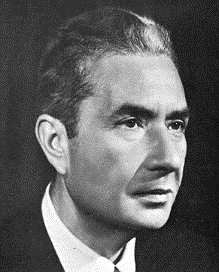
Aldo Moro
Aldo Moro (Italian: [ˈaldo ˈmɔːro] ⓘ; 23 September 1916 – 9 May 1978) was an Italian statesman and prominent member of Christian Democracy (DC) and its centre-left wing. He served as prime minister of Italy for five terms from December 1963 to June 1968 and from November 1974 to July 1976.
Moro served as Italian Minister of Foreign Affairs from May 1969 to July 1972 and again from July 1973 to November 1974. During his ministry, he implemented a pro-Arab policy. He was Italy's Minister of Justice and of Public Education during the 1950s. From March 1959 until January 1964, he served as secretary of the DC. On 16 March 1978, he was kidnapped by the far-left terrorist group Red Brigades; he was killed after 55 days of captivity.
Moro was one of Italy's longest-serving post-war prime ministers, leading the country for more than six years. Moro implemented a series of social and economic reforms that modernized the country. Due to his accommodation with the Italian Communist Party leader Enrico Berlinguer, known as the Historic Compromise, Moro is widely considered to be one of the most prominent fathers of the modern Italian centre-left.
Aldo Romeo Luigi Moro was born on 23 September 1916 in Maglie, near Lecce, into a family from Ugento in the Apulia region of the Kingdom of Italy. His father, Renato Moro, was a school inspector, while his mother, Fida Sticchi, was a teacher. At the age of 4, he moved with his family to Milan; they soon moved back to Apulia, where he gained a classical high school degree at Archita lyceum in Taranto. In 1934, his family moved to Bari. There, he studied law at the University of Bari and graduated in 1939. After graduation, he became a professor of philosophy of law and colonial policy (1941) and of criminal law (1942) at the University of Bari.
In 1935, Moro joined the Italian Catholic Federation of University Students (FUCI) of Bari. In 1939, under the approval of Giovanni Battista Montini, the future Pope Paul VI, whom he had befriended, Moro was chosen as president of the association. He kept the post until 1942 when he was forced to fight in World War II and was succeeded by Giulio Andreotti, who at the time was a law student from Rome. During his university years, Italy was ruled by the fascist regime of Benito Mussolini, and Moro took part in student competitions known as Lictors of Culture and Art organized by the local fascist students' organization, the University Fascist Groups. In 1943, along with other Catholic students, he founded the periodical La Rassegna, which was published until 1945.
In July 1943, Moro contributed, along with Andreotti, Mario Ferrari Aggradi, Paolo Emilio Taviani, Guido Gonella, Giuseppe Capogrossi, Ferruccio Pergolesi, Vittore Branca, Giorgio La Pira, and Giuseppe Medici, to the creation of the Code of Camaldoli, an economic policy plan drawn up by members of the Italian Catholic forces. It served as inspiration and guideline for the economic policy of the future Christian democrats. In 1945, he married Eleonora Chiavarelli (1915–2010), with whom he had four children: Maria Fida (born 1946), Anna (born 1949), Agnese (born 1952), and Giovanni (born 1958). In 1963, Moro was transferred to La Sapienza University of Rome as a professor of the institutions of law and criminal procedure.
Moro developed his interest in politics between 1943 and 1945. Initially, he seemed to be very interested in the social-democratic component of the Italian Socialist Party (PSI) but then started cooperating with other Christian-democratic politicians in opposition to the Italian fascist regime. During these years, he met Alcide De Gasperi, Mario Scelba, Giovanni Gronchi, and Amintore Fanfani. On 19 March 1943, the group reunited in the house of Giuseppe Spataro and officially formed the Christian Democracy (DC) party. In the DC, he joined the left-wing faction led by Giuseppe Dossetti, of whom he became a close ally. In 1945, he became director of the magazine Studium and president of the Graduated Movement of Catholic Action (Azione Cattolica, AC), a widespread Catholic lay association.
After being appointed vice-president of the DC, Moro was elected in the 1946 Italian general election a member of the Constituent Assembly of Italy, where he took part in the work to redact the Italian Constitution. It was during this period that his relations with the Italian Socialist Democratic Party (PSDI) and Italian social-democrats began. In 1946, Moro ran for the Bari–Foggia constituency, where he received nearly 28,000 votes. In the 1948 Italian general election, he was elected with 63,000 votes to the newly formed Chamber of Deputies, and was appointed Vice Minister of Foreign Affairs in the fifth De Gasperi government from 23 May 1948 to 27 January 1950. After Dossetti's retirement in 1952, Moro founded, along with Antonio Segni, Emilio Colombo, and Mariano Rumor, the Democratic Initiative faction, which was led by his old friend Fanfani.
Aldo Moro
Aldo Moro (Italian: [ˈaldo ˈmɔːro] ⓘ; 23 September 1916 – 9 May 1978) was an Italian statesman and prominent member of Christian Democracy (DC) and its centre-left wing. He served as prime minister of Italy for five terms from December 1963 to June 1968 and from November 1974 to July 1976.
Moro served as Italian Minister of Foreign Affairs from May 1969 to July 1972 and again from July 1973 to November 1974. During his ministry, he implemented a pro-Arab policy. He was Italy's Minister of Justice and of Public Education during the 1950s. From March 1959 until January 1964, he served as secretary of the DC. On 16 March 1978, he was kidnapped by the far-left terrorist group Red Brigades; he was killed after 55 days of captivity.
Moro was one of Italy's longest-serving post-war prime ministers, leading the country for more than six years. Moro implemented a series of social and economic reforms that modernized the country. Due to his accommodation with the Italian Communist Party leader Enrico Berlinguer, known as the Historic Compromise, Moro is widely considered to be one of the most prominent fathers of the modern Italian centre-left.
Aldo Romeo Luigi Moro was born on 23 September 1916 in Maglie, near Lecce, into a family from Ugento in the Apulia region of the Kingdom of Italy. His father, Renato Moro, was a school inspector, while his mother, Fida Sticchi, was a teacher. At the age of 4, he moved with his family to Milan; they soon moved back to Apulia, where he gained a classical high school degree at Archita lyceum in Taranto. In 1934, his family moved to Bari. There, he studied law at the University of Bari and graduated in 1939. After graduation, he became a professor of philosophy of law and colonial policy (1941) and of criminal law (1942) at the University of Bari.
In 1935, Moro joined the Italian Catholic Federation of University Students (FUCI) of Bari. In 1939, under the approval of Giovanni Battista Montini, the future Pope Paul VI, whom he had befriended, Moro was chosen as president of the association. He kept the post until 1942 when he was forced to fight in World War II and was succeeded by Giulio Andreotti, who at the time was a law student from Rome. During his university years, Italy was ruled by the fascist regime of Benito Mussolini, and Moro took part in student competitions known as Lictors of Culture and Art organized by the local fascist students' organization, the University Fascist Groups. In 1943, along with other Catholic students, he founded the periodical La Rassegna, which was published until 1945.
In July 1943, Moro contributed, along with Andreotti, Mario Ferrari Aggradi, Paolo Emilio Taviani, Guido Gonella, Giuseppe Capogrossi, Ferruccio Pergolesi, Vittore Branca, Giorgio La Pira, and Giuseppe Medici, to the creation of the Code of Camaldoli, an economic policy plan drawn up by members of the Italian Catholic forces. It served as inspiration and guideline for the economic policy of the future Christian democrats. In 1945, he married Eleonora Chiavarelli (1915–2010), with whom he had four children: Maria Fida (born 1946), Anna (born 1949), Agnese (born 1952), and Giovanni (born 1958). In 1963, Moro was transferred to La Sapienza University of Rome as a professor of the institutions of law and criminal procedure.
Moro developed his interest in politics between 1943 and 1945. Initially, he seemed to be very interested in the social-democratic component of the Italian Socialist Party (PSI) but then started cooperating with other Christian-democratic politicians in opposition to the Italian fascist regime. During these years, he met Alcide De Gasperi, Mario Scelba, Giovanni Gronchi, and Amintore Fanfani. On 19 March 1943, the group reunited in the house of Giuseppe Spataro and officially formed the Christian Democracy (DC) party. In the DC, he joined the left-wing faction led by Giuseppe Dossetti, of whom he became a close ally. In 1945, he became director of the magazine Studium and president of the Graduated Movement of Catholic Action (Azione Cattolica, AC), a widespread Catholic lay association.
After being appointed vice-president of the DC, Moro was elected in the 1946 Italian general election a member of the Constituent Assembly of Italy, where he took part in the work to redact the Italian Constitution. It was during this period that his relations with the Italian Socialist Democratic Party (PSDI) and Italian social-democrats began. In 1946, Moro ran for the Bari–Foggia constituency, where he received nearly 28,000 votes. In the 1948 Italian general election, he was elected with 63,000 votes to the newly formed Chamber of Deputies, and was appointed Vice Minister of Foreign Affairs in the fifth De Gasperi government from 23 May 1948 to 27 January 1950. After Dossetti's retirement in 1952, Moro founded, along with Antonio Segni, Emilio Colombo, and Mariano Rumor, the Democratic Initiative faction, which was led by his old friend Fanfani.
Recent media
Recent media