
Recent from talks
Alexandru Macedonski
Knowledge base stats:
Talk channels stats:
Members stats:
Alexandru Macedonski
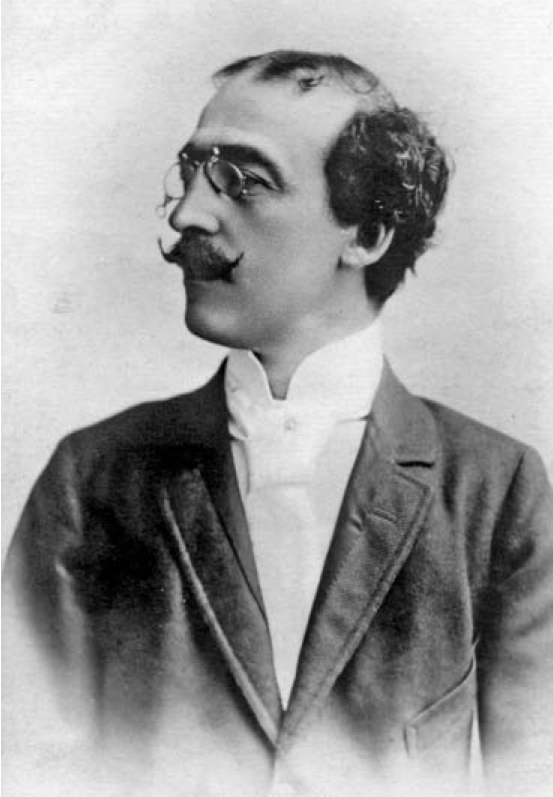
Alexandru Macedonski (Romanian pronunciation: [alekˈsandru mat͡ʃeˈdonski]; also rendered as Al. A. Macedonski, Macedonschi or Macedonsky; 14 March 1854 – 24 November 1920) was a Romanian poet, novelist, dramatist and literary critic, known especially for having promoted lots of French Symbolism in his native country, and for leading the Romanian Symbolist movement during its early decades. A forerunner of local modernist literature, he is the first local author to have used free verse, and claimed by some to have been the first in modern European literature. Within the framework of Romanian literature, Macedonski is seen by critics as second only to national poet Mihai Eminescu; as leader of a cosmopolitan and aestheticist trend formed around his Literatorul journal, he was diametrically opposed to the inward-looking traditionalism of Eminescu and his school.
Debuting as a Neoromantic in the Wallachian tradition, Macedonski went through the Realist-Naturalist stage deemed "social poetry", while progressively adapting his style to Symbolism and Parnassianism, and repeatedly but unsuccessfully attempting to impose himself in the Francophone world. Despite having theorized "instrumentalism", which reacted against the traditional guidelines of poetry, he maintained a lifelong connection with Neoclassicism and its ideal of purity. Macedonski's quest for excellence found its foremost expression in his recurring motif of life as a pilgrimage to Mecca, notably used in his critically acclaimed Nights cycle. The stylistic stages of his career are reflected in the collections Prima verba, Poezii, and Excelsior, as well as in the fantasy novel Thalassa, Le Calvaire de feu. In old age, he became the author of rondels, noted for their detached and serene vision of life, in contrast with his earlier combativeness.
In parallel to his literary career, Macedonski was a civil servant, notably serving as prefect in the Budjak and Northern Dobruja during the late 1870s. As journalist and militant, his allegiance fluctuated between the liberal current and conservatism, becoming involved in polemics and controversies of the day. Of the long series of publications he founded, Literatorul was the most influential, notably hosting his early conflicts with the Junimea literary society. These targeted Vasile Alecsandri and especially Eminescu, their context and tone becoming the cause of a major rift between Macedonski and his public. This situation repeated itself in later years, when Macedonski and his Forța Morală magazine began campaigning against the Junimist dramatist Ion Luca Caragiale, whom they falsely accused of plagiarism. During World War I, the poet aggravated his critics by supporting the Central Powers against Romania's alliance with the Entente side. His biography was also marked by an enduring interest in esotericism, numerous attempts to become recognized as an inventor, and an enthusiasm for cycling.
The scion of a political and aristocratic family, the poet was the son of General Alexandru Macedonski, who served as Defense Minister, and the grandson of 1821 rebel Dimitrie Macedonski. Both his son Alexis and grandson Soare were known painters.
The poet's paternal family had arrived in Wallachia during the early 19th century. Of South Slav origin per George Călinescu they were descended from Serb insurgents in Ottoman-ruled Macedonia. However, according to Radu Florescu they were of Bulgarian origin. Per Romanian historian Constantin Velichi his grandfather was as a Bulgarian who later became Romanianized.
Alexandru's grandfather Dimitrie and Dimitrie's brother Pavel participated in the 1821 uprising against the Phanariote administration, and in alliance with the Filiki Eteria; Dimitrie made the object of controversy when, during the final stage of the revolt, he sided with the Eteria in its confrontation with Wallachian leader Tudor Vladimirescu, taking an active part in the latter's killing. Both Macedonski brothers had careers in the Wallachian military forces, at a time when the country was governed by Imperial Russian envoys, when the Regulamentul Organic regime recognized the family as belonging to Wallachia's nobility. Dimitrie married Zoe, the daughter an ethnic Russian or Polish officer; their son, the Russian-educated Alexandru, climbed in the military and political hierarchy, joining the unified Land Forces after his political ally, Alexander John Cuza, was elected Domnitor and the two Danubian Principalities became united Romania. Both the officer's uncle Pavel and brother Mihail were amateur poets.
Macedonski's mother, Maria Fisența (also Vicenț or Vicența), was from an aristocratic environment, being the scion of Oltenian boyars. Through her father, she may have descended from Russian immigrants who had been absorbed into Oltenia's nobility. Maria had been adopted by the boyar Dumitrache Pârâianu, and the couple had inherited the Adâncata and Pometești estates in Goiești, on the Amaradia Valley.
Both the poet and his father were dissatisfied with accounts of their lineage, contradicting them with an account that researchers have come to consider spurious. Although adherents of the Romanian Orthodox Church, the Macedonskis traced their origin to Rogala-bearing Lithuanian nobility from the defunct Polish–Lithuanian Commonwealth. While the writer perpetuated his father's claim, it is possible that he also took pride in investigating his Balkan roots: according to literary historian Tudor Vianu, who, as a youth, was a member of his circle, this tendency is attested by two of Macedonski's poems from the 1880s, where the South Slavs appear as icons of freedom. Vianu's contemporary, literary historian George Călinescu, postulated that, although the family had been absorbed into the ethnic and cultural majority, the poet's origin served to enrich local culture by linking it to a "Thracian" tradition and the spirit of "adventurers".
Hub AI
Alexandru Macedonski AI simulator
(@Alexandru Macedonski_simulator)
Alexandru Macedonski
Alexandru Macedonski (Romanian pronunciation: [alekˈsandru mat͡ʃeˈdonski]; also rendered as Al. A. Macedonski, Macedonschi or Macedonsky; 14 March 1854 – 24 November 1920) was a Romanian poet, novelist, dramatist and literary critic, known especially for having promoted lots of French Symbolism in his native country, and for leading the Romanian Symbolist movement during its early decades. A forerunner of local modernist literature, he is the first local author to have used free verse, and claimed by some to have been the first in modern European literature. Within the framework of Romanian literature, Macedonski is seen by critics as second only to national poet Mihai Eminescu; as leader of a cosmopolitan and aestheticist trend formed around his Literatorul journal, he was diametrically opposed to the inward-looking traditionalism of Eminescu and his school.
Debuting as a Neoromantic in the Wallachian tradition, Macedonski went through the Realist-Naturalist stage deemed "social poetry", while progressively adapting his style to Symbolism and Parnassianism, and repeatedly but unsuccessfully attempting to impose himself in the Francophone world. Despite having theorized "instrumentalism", which reacted against the traditional guidelines of poetry, he maintained a lifelong connection with Neoclassicism and its ideal of purity. Macedonski's quest for excellence found its foremost expression in his recurring motif of life as a pilgrimage to Mecca, notably used in his critically acclaimed Nights cycle. The stylistic stages of his career are reflected in the collections Prima verba, Poezii, and Excelsior, as well as in the fantasy novel Thalassa, Le Calvaire de feu. In old age, he became the author of rondels, noted for their detached and serene vision of life, in contrast with his earlier combativeness.
In parallel to his literary career, Macedonski was a civil servant, notably serving as prefect in the Budjak and Northern Dobruja during the late 1870s. As journalist and militant, his allegiance fluctuated between the liberal current and conservatism, becoming involved in polemics and controversies of the day. Of the long series of publications he founded, Literatorul was the most influential, notably hosting his early conflicts with the Junimea literary society. These targeted Vasile Alecsandri and especially Eminescu, their context and tone becoming the cause of a major rift between Macedonski and his public. This situation repeated itself in later years, when Macedonski and his Forța Morală magazine began campaigning against the Junimist dramatist Ion Luca Caragiale, whom they falsely accused of plagiarism. During World War I, the poet aggravated his critics by supporting the Central Powers against Romania's alliance with the Entente side. His biography was also marked by an enduring interest in esotericism, numerous attempts to become recognized as an inventor, and an enthusiasm for cycling.
The scion of a political and aristocratic family, the poet was the son of General Alexandru Macedonski, who served as Defense Minister, and the grandson of 1821 rebel Dimitrie Macedonski. Both his son Alexis and grandson Soare were known painters.
The poet's paternal family had arrived in Wallachia during the early 19th century. Of South Slav origin per George Călinescu they were descended from Serb insurgents in Ottoman-ruled Macedonia. However, according to Radu Florescu they were of Bulgarian origin. Per Romanian historian Constantin Velichi his grandfather was as a Bulgarian who later became Romanianized.
Alexandru's grandfather Dimitrie and Dimitrie's brother Pavel participated in the 1821 uprising against the Phanariote administration, and in alliance with the Filiki Eteria; Dimitrie made the object of controversy when, during the final stage of the revolt, he sided with the Eteria in its confrontation with Wallachian leader Tudor Vladimirescu, taking an active part in the latter's killing. Both Macedonski brothers had careers in the Wallachian military forces, at a time when the country was governed by Imperial Russian envoys, when the Regulamentul Organic regime recognized the family as belonging to Wallachia's nobility. Dimitrie married Zoe, the daughter an ethnic Russian or Polish officer; their son, the Russian-educated Alexandru, climbed in the military and political hierarchy, joining the unified Land Forces after his political ally, Alexander John Cuza, was elected Domnitor and the two Danubian Principalities became united Romania. Both the officer's uncle Pavel and brother Mihail were amateur poets.
Macedonski's mother, Maria Fisența (also Vicenț or Vicența), was from an aristocratic environment, being the scion of Oltenian boyars. Through her father, she may have descended from Russian immigrants who had been absorbed into Oltenia's nobility. Maria had been adopted by the boyar Dumitrache Pârâianu, and the couple had inherited the Adâncata and Pometești estates in Goiești, on the Amaradia Valley.
Both the poet and his father were dissatisfied with accounts of their lineage, contradicting them with an account that researchers have come to consider spurious. Although adherents of the Romanian Orthodox Church, the Macedonskis traced their origin to Rogala-bearing Lithuanian nobility from the defunct Polish–Lithuanian Commonwealth. While the writer perpetuated his father's claim, it is possible that he also took pride in investigating his Balkan roots: according to literary historian Tudor Vianu, who, as a youth, was a member of his circle, this tendency is attested by two of Macedonski's poems from the 1880s, where the South Slavs appear as icons of freedom. Vianu's contemporary, literary historian George Călinescu, postulated that, although the family had been absorbed into the ethnic and cultural majority, the poet's origin served to enrich local culture by linking it to a "Thracian" tradition and the spirit of "adventurers".
Recent media