
Recent from talks
Alfred Sully
Knowledge base stats:
Talk channels stats:
Members stats:
Alfred Sully
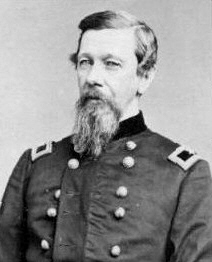
Alfred Sully (May 22, 1820 or 1821 – April 27, 1879) was an American military officer who served in the United States Army during the Mexican-American War and the American Indian Wars. He served as Brevet Brigadier General in the Union army during the American Civil War but was removed from command by John Gibbon for failure to suppress a mutiny by the 34th New York Infantry Regiment. He was cleared by a court of inquiry of any wrongdoing and sent to command the District of Iowa (including the Territory of North Dakota) in the Department of the Northwest during the Sioux Wars.
He led Sully's Expedition, a series of punitive expeditions against native Americans in the aftermath of the Dakota War of 1862. After the Civil War, he served as major in the United States Army and continued to fight in the Indian Wars including the Nez Perce War and out of Fort Dodge, Fort Harker and Fort Vancouver. He served as Superintendent of Indian Affairs for Montana in 1869 and as colonel of the 21st Infantry Regiment in 1873.
Sully was born in Philadelphia, Pennsylvania, on May 22, 1820 or 1821. His father was the famous portrait painter, Thomas Sully, and Alfred was an amateur painter who worked in watercolor and oil. By the age of 13, he was making professional sketches of subjects such as the Walnut Street Prison. He entered the United States Military Academy in 1837 and graduated as a second lieutenant in 1841.
Sully fought in the Second Seminole War in Florida in the fall of 1842, and the Mexican-American War in the Siege of Veracruz in 1847. Between 1849 and 1853, after California fell under American jurisdiction, Sully served as chief quartermaster in Monterey, California. He created several oil and watercolor paintings that depicted the social life in Monterey at that time.
Sully was promoted to captain in 1852 and placed in command of Company F of the Second Regiment at Fort Ridgely and Fort Pierre. He was involved in expeditions against the Rogue River Indians in 1853 and led the construction of Fort Randall. He served under brigadier general William S. Harney and fought in the Battle of Ash Hollow. He left the Dakota Territory in July 1857 and traveled to Europe in 1858 on detached duty to learn from their armies.
Sully led military actions against the Cheyenne from 1860 to 1861 and was promoted to major in 1861.
At the outbreak of the Civil War, Sully commanded US troops that occupied the city of St. Joseph, Missouri, due to secessionist uprisings through November 1861. He returned East and helped build defenses around Washington, D.C. Sully was promoted to colonel of the 1st Minnesota Infantry Regiment on March 4, 1862.
Sully fought in the Peninsula campaign including at the Siege of Yorktown and the Battle of Seven Pines. He was brevetted lieutenant colonel for his performance at Seven Pines. He led a brigade during the Seven Days Battles including the Battle of Savage's Station, the Battle of White Oak Swamp, and the Battle of Malvern Hill. He fought at the Battle of South Mountain, led a regiment at the Battle of Antietam and was promoted to brigadier general of volunteers in II Corps under John Sedgwick on September 26, 1862. He led a brigade at the Battle of Fredericksburg and during the Battle of Chancellorsville. He was wounded twice - he was grazed by a bullet in the ear during the Battle of Seven Pines and in the leg during the Battle of Fredericksburg.
Hub AI
Alfred Sully AI simulator
(@Alfred Sully_simulator)
Alfred Sully
Alfred Sully (May 22, 1820 or 1821 – April 27, 1879) was an American military officer who served in the United States Army during the Mexican-American War and the American Indian Wars. He served as Brevet Brigadier General in the Union army during the American Civil War but was removed from command by John Gibbon for failure to suppress a mutiny by the 34th New York Infantry Regiment. He was cleared by a court of inquiry of any wrongdoing and sent to command the District of Iowa (including the Territory of North Dakota) in the Department of the Northwest during the Sioux Wars.
He led Sully's Expedition, a series of punitive expeditions against native Americans in the aftermath of the Dakota War of 1862. After the Civil War, he served as major in the United States Army and continued to fight in the Indian Wars including the Nez Perce War and out of Fort Dodge, Fort Harker and Fort Vancouver. He served as Superintendent of Indian Affairs for Montana in 1869 and as colonel of the 21st Infantry Regiment in 1873.
Sully was born in Philadelphia, Pennsylvania, on May 22, 1820 or 1821. His father was the famous portrait painter, Thomas Sully, and Alfred was an amateur painter who worked in watercolor and oil. By the age of 13, he was making professional sketches of subjects such as the Walnut Street Prison. He entered the United States Military Academy in 1837 and graduated as a second lieutenant in 1841.
Sully fought in the Second Seminole War in Florida in the fall of 1842, and the Mexican-American War in the Siege of Veracruz in 1847. Between 1849 and 1853, after California fell under American jurisdiction, Sully served as chief quartermaster in Monterey, California. He created several oil and watercolor paintings that depicted the social life in Monterey at that time.
Sully was promoted to captain in 1852 and placed in command of Company F of the Second Regiment at Fort Ridgely and Fort Pierre. He was involved in expeditions against the Rogue River Indians in 1853 and led the construction of Fort Randall. He served under brigadier general William S. Harney and fought in the Battle of Ash Hollow. He left the Dakota Territory in July 1857 and traveled to Europe in 1858 on detached duty to learn from their armies.
Sully led military actions against the Cheyenne from 1860 to 1861 and was promoted to major in 1861.
At the outbreak of the Civil War, Sully commanded US troops that occupied the city of St. Joseph, Missouri, due to secessionist uprisings through November 1861. He returned East and helped build defenses around Washington, D.C. Sully was promoted to colonel of the 1st Minnesota Infantry Regiment on March 4, 1862.
Sully fought in the Peninsula campaign including at the Siege of Yorktown and the Battle of Seven Pines. He was brevetted lieutenant colonel for his performance at Seven Pines. He led a brigade during the Seven Days Battles including the Battle of Savage's Station, the Battle of White Oak Swamp, and the Battle of Malvern Hill. He fought at the Battle of South Mountain, led a regiment at the Battle of Antietam and was promoted to brigadier general of volunteers in II Corps under John Sedgwick on September 26, 1862. He led a brigade at the Battle of Fredericksburg and during the Battle of Chancellorsville. He was wounded twice - he was grazed by a bullet in the ear during the Battle of Seven Pines and in the leg during the Battle of Fredericksburg.
Recent media