
Recent from talks
Anglo-Norman language
Knowledge base stats:
Talk channels stats:
Members stats:
Anglo-Norman language
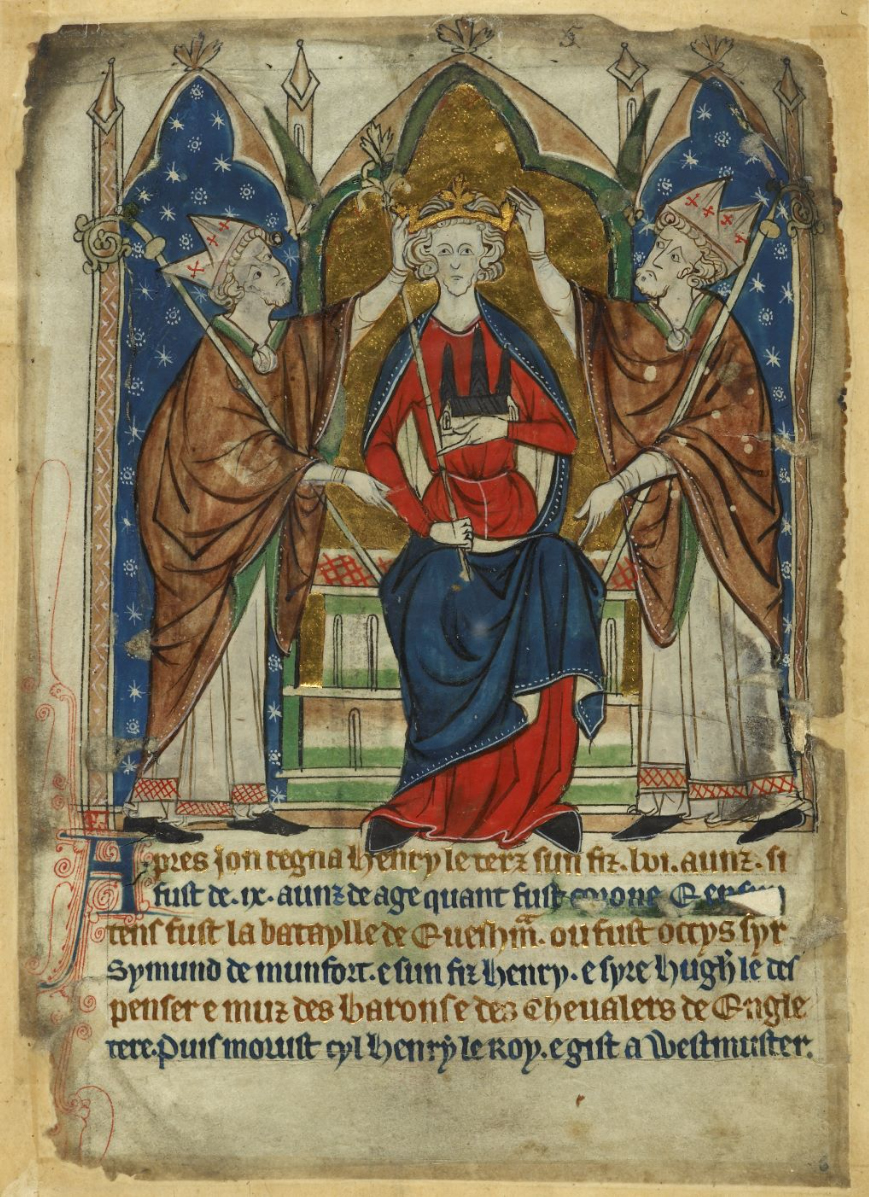
Anglo-Norman (Norman: Anglo-Normaund; French: Anglo-normand), also known as Anglo-Norman French and part of the French of England (including Anglo-French) was a dialect of Old Norman that was used in England and, to a lesser extent, other places in Great Britain and Ireland during the Anglo-Norman period.
The term "Anglo-Norman" harks back to the time when the language was regarded as being primarily the regional dialect of the Norman settlers. Today the generic term "Anglo-French" is used instead to reflect not only the broader origin of the settlers who came with William the Conqueror, but also the continued influence of Parisian French from the Plantagenet period onwards.
According to some linguists, the name Insular French might be more suitable, because "Anglo-Norman" is constantly associated with the notion of a mixed language based on English and Norman. According to some, such a mixed language never existed. Other sources, however, indicate that such a language did exist, and that it was the language descended from the Norman French originally established in England after the Conquest.
Although Anglo-Norman and Anglo-French were eventually eclipsed by modern English, they had been used widely enough to influence English vocabulary permanently. This means that many original Germanic words, cognates of which can still be found in Nordic, German, and Dutch, have been lost or, as is more often the case, exist alongside synonyms of Anglo-Norman French origin. Anglo-Norman had little lasting influence on English grammar, as opposed to vocabulary, although it is still evident in official and legal terms where the ordinary sequence of noun and adjective is reversed, as seen in phrases such as Blood Royal, attorney general, heir apparent, court martial, envoy extraordinary and body politic.
The royal coat of arms of the United Kingdom still features in French the mottos of both the British Monarch, Dieu et mon droit ("God and my right"), and the Order of the Garter, Honi soit qui mal y pense ("Shamed be he who thinks evil of it").
Dieu et mon droit was first used by Richard I (who spoke Anglo-Norman, but cannot be proved to have been able to speak English) in 1198 and adopted as the royal motto of England in the time of Henry VI. The motto appears below the shield of the Royal Coat of Arms.
Though in regular use at the royal court, Anglo-French was not the main administrative language of England: Latin was the major language of record in legal and other official documents for most of the medieval period. However, from the mid-13th century to the early 15th century, Anglo-French was much used in law reports, charters, ordinances, official correspondence, and trade at all levels; it was the language of the King, his court and the upper class. There is evidence, too, that foreign words (Latin, Greek, Italian, Arabic, Spanish) often entered English via Anglo-Norman.
The language of later documents adopted some of the changes ongoing in continental French and lost many of its original dialectal characteristics, so Anglo-French remained (in at least some respects and at least at some social levels) part of the dialect continuum of modern French, often with distinctive spellings. Over time, the use of Anglo-French expanded into the fields of law, administration, commerce, and science, in all of which a rich documentary legacy survives, indicative of the vitality and importance of the language.
Hub AI
Anglo-Norman language AI simulator
(@Anglo-Norman language_simulator)
Anglo-Norman language
Anglo-Norman (Norman: Anglo-Normaund; French: Anglo-normand), also known as Anglo-Norman French and part of the French of England (including Anglo-French) was a dialect of Old Norman that was used in England and, to a lesser extent, other places in Great Britain and Ireland during the Anglo-Norman period.
The term "Anglo-Norman" harks back to the time when the language was regarded as being primarily the regional dialect of the Norman settlers. Today the generic term "Anglo-French" is used instead to reflect not only the broader origin of the settlers who came with William the Conqueror, but also the continued influence of Parisian French from the Plantagenet period onwards.
According to some linguists, the name Insular French might be more suitable, because "Anglo-Norman" is constantly associated with the notion of a mixed language based on English and Norman. According to some, such a mixed language never existed. Other sources, however, indicate that such a language did exist, and that it was the language descended from the Norman French originally established in England after the Conquest.
Although Anglo-Norman and Anglo-French were eventually eclipsed by modern English, they had been used widely enough to influence English vocabulary permanently. This means that many original Germanic words, cognates of which can still be found in Nordic, German, and Dutch, have been lost or, as is more often the case, exist alongside synonyms of Anglo-Norman French origin. Anglo-Norman had little lasting influence on English grammar, as opposed to vocabulary, although it is still evident in official and legal terms where the ordinary sequence of noun and adjective is reversed, as seen in phrases such as Blood Royal, attorney general, heir apparent, court martial, envoy extraordinary and body politic.
The royal coat of arms of the United Kingdom still features in French the mottos of both the British Monarch, Dieu et mon droit ("God and my right"), and the Order of the Garter, Honi soit qui mal y pense ("Shamed be he who thinks evil of it").
Dieu et mon droit was first used by Richard I (who spoke Anglo-Norman, but cannot be proved to have been able to speak English) in 1198 and adopted as the royal motto of England in the time of Henry VI. The motto appears below the shield of the Royal Coat of Arms.
Though in regular use at the royal court, Anglo-French was not the main administrative language of England: Latin was the major language of record in legal and other official documents for most of the medieval period. However, from the mid-13th century to the early 15th century, Anglo-French was much used in law reports, charters, ordinances, official correspondence, and trade at all levels; it was the language of the King, his court and the upper class. There is evidence, too, that foreign words (Latin, Greek, Italian, Arabic, Spanish) often entered English via Anglo-Norman.
The language of later documents adopted some of the changes ongoing in continental French and lost many of its original dialectal characteristics, so Anglo-French remained (in at least some respects and at least at some social levels) part of the dialect continuum of modern French, often with distinctive spellings. Over time, the use of Anglo-French expanded into the fields of law, administration, commerce, and science, in all of which a rich documentary legacy survives, indicative of the vitality and importance of the language.
Recent media