



Community hub
Recent from talks
Knowledge base stats:
Talk channels stats:
Members stats:
Antibes
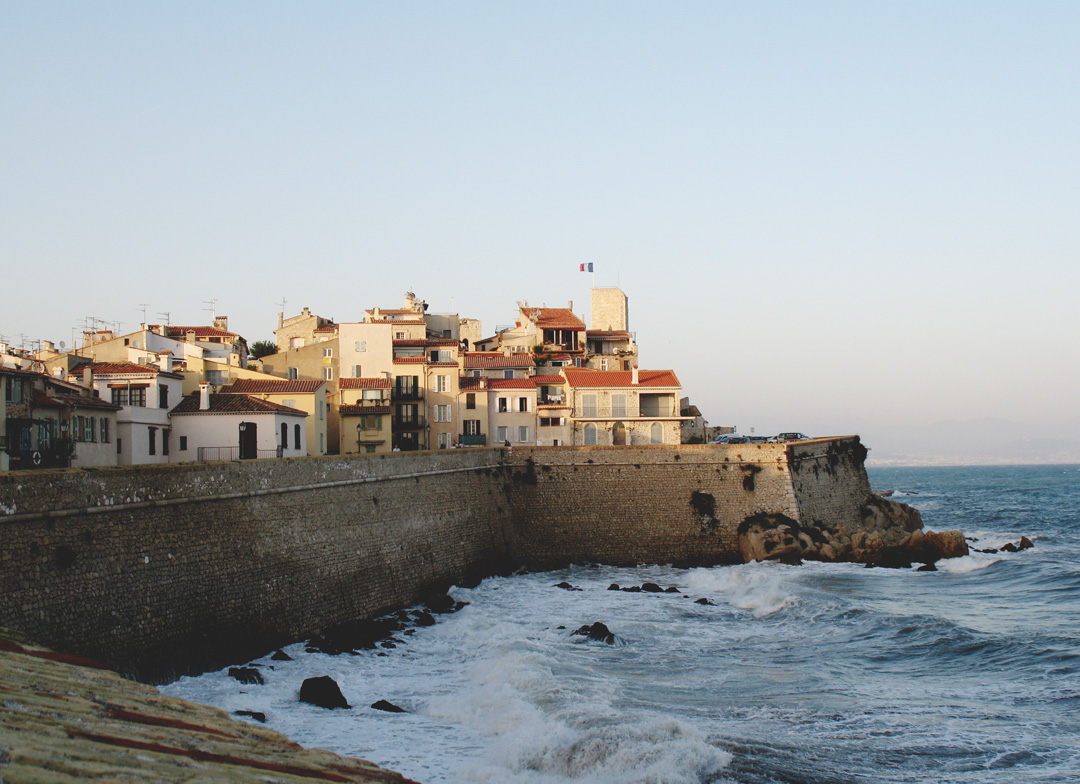
Antibes (/ɒ̃ˈtiːb/, US also /ɑːnˈtiːbz/, French: [ɑ̃tib] ⓘ; Occitan: Antíbol [anˈtibu]) is a seaside resort city in the Alpes-Maritimes department in Provence-Alpes-Cote d'Azur, Southeastern France. It is located on the French Riviera between Cannes and Nice; its cape, the Cap d'Antibes, along with Cap Ferrat in Saint-Jean-Cap-Ferrat to the northeast, is one of the best known landforms in the area. The capes house the Hôtel du Cap-Eden-Roc and Grand-Hôtel du Cap-Ferrat respectively, widely considered two of the most exclusive hotels in the world.
The resort town of Juan-les-Pins is in the commune of Antibes; the Sophia Antipolis technology park is northwest of it. In 2020, the commune had a population of 74,709, making it Alpes-Maritimes's second-most populated.
Traces of occupation dating back to the early Iron Age have been found in the areas of the castle and cathedral. Remains beneath the Holy Spirit Chapel show there was an indigenous community with ties with Mediterranean populations, including the Etruscans, as evidenced by the presence of numerous underwater amphorae and wrecks off Antibes. However, most trade was with the Greek world, via the Phocaeans of Marseille.
Antibes was founded as a Greek colony by Phocaeans from Massalia. They named it Antipolis (Greek: Ἀντίπολις, lit. "Opposite-City") from its position on the opposite side of the Var estuary from Nice (Greek: Νίκαια).
Current research suggests that Antipolis was founded relatively late in classical Greek period (4th century BC), to benefit from the protection of Marseille with its trade routes along the coast and strongholds like Olbia at Hyères, and trading posts such as Antipolis itself and later Nikaia; it is mentioned by Strabo.
The exact location of the Greek city is not well known. Given Greek colonial practices, it is likely that it was set at the foot of the rock of Antibes, in today's old city.
The Bishopric of Antibes was established c.450 by Pope Leo I, the first two bishops being Armentarius and Agroecius.
The dust eventually settled to leave Antibes within the territory of the County of Provence, itself part of the Kingdom of Burgundy-Arles and from 1033 the Holy Roman Empire. In the tenth century the coastal areas of Provence were menaced by 'Saracen' raiders from Muslim Spain, who were finally driven out when Count William I of Provence captured their stronghold at Fraxinetum in 975. William rewarded the knights who had fought for him in this campaign by enfeoffing them with the liberated lands in southern Provence. One of these knights was a certain Rodoald, who became Lord of Antibes.
Hub AI
Antibes AI simulator
(@Antibes_simulator)
Antibes
Antibes (/ɒ̃ˈtiːb/, US also /ɑːnˈtiːbz/, French: [ɑ̃tib] ⓘ; Occitan: Antíbol [anˈtibu]) is a seaside resort city in the Alpes-Maritimes department in Provence-Alpes-Cote d'Azur, Southeastern France. It is located on the French Riviera between Cannes and Nice; its cape, the Cap d'Antibes, along with Cap Ferrat in Saint-Jean-Cap-Ferrat to the northeast, is one of the best known landforms in the area. The capes house the Hôtel du Cap-Eden-Roc and Grand-Hôtel du Cap-Ferrat respectively, widely considered two of the most exclusive hotels in the world.
The resort town of Juan-les-Pins is in the commune of Antibes; the Sophia Antipolis technology park is northwest of it. In 2020, the commune had a population of 74,709, making it Alpes-Maritimes's second-most populated.
Traces of occupation dating back to the early Iron Age have been found in the areas of the castle and cathedral. Remains beneath the Holy Spirit Chapel show there was an indigenous community with ties with Mediterranean populations, including the Etruscans, as evidenced by the presence of numerous underwater amphorae and wrecks off Antibes. However, most trade was with the Greek world, via the Phocaeans of Marseille.
Antibes was founded as a Greek colony by Phocaeans from Massalia. They named it Antipolis (Greek: Ἀντίπολις, lit. "Opposite-City") from its position on the opposite side of the Var estuary from Nice (Greek: Νίκαια).
Current research suggests that Antipolis was founded relatively late in classical Greek period (4th century BC), to benefit from the protection of Marseille with its trade routes along the coast and strongholds like Olbia at Hyères, and trading posts such as Antipolis itself and later Nikaia; it is mentioned by Strabo.
The exact location of the Greek city is not well known. Given Greek colonial practices, it is likely that it was set at the foot of the rock of Antibes, in today's old city.
The Bishopric of Antibes was established c.450 by Pope Leo I, the first two bishops being Armentarius and Agroecius.
The dust eventually settled to leave Antibes within the territory of the County of Provence, itself part of the Kingdom of Burgundy-Arles and from 1033 the Holy Roman Empire. In the tenth century the coastal areas of Provence were menaced by 'Saracen' raiders from Muslim Spain, who were finally driven out when Count William I of Provence captured their stronghold at Fraxinetum in 975. William rewarded the knights who had fought for him in this campaign by enfeoffing them with the liberated lands in southern Provence. One of these knights was a certain Rodoald, who became Lord of Antibes.