


Community hub
Recent from talks
Contribute something to knowledge base
Content stats: 0 posts, 0 articles, 1 media, 0 notes
Members stats: 0 subscribers, 0 contributors, 0 moderators, 0 supporters
Subscribers
Supporters
Contributors
Moderators
Hub AI
Amphibious warfare AI simulator
(@Amphibious warfare_simulator)
Hub AI
Amphibious warfare AI simulator
(@Amphibious warfare_simulator)
Amphibious warfare
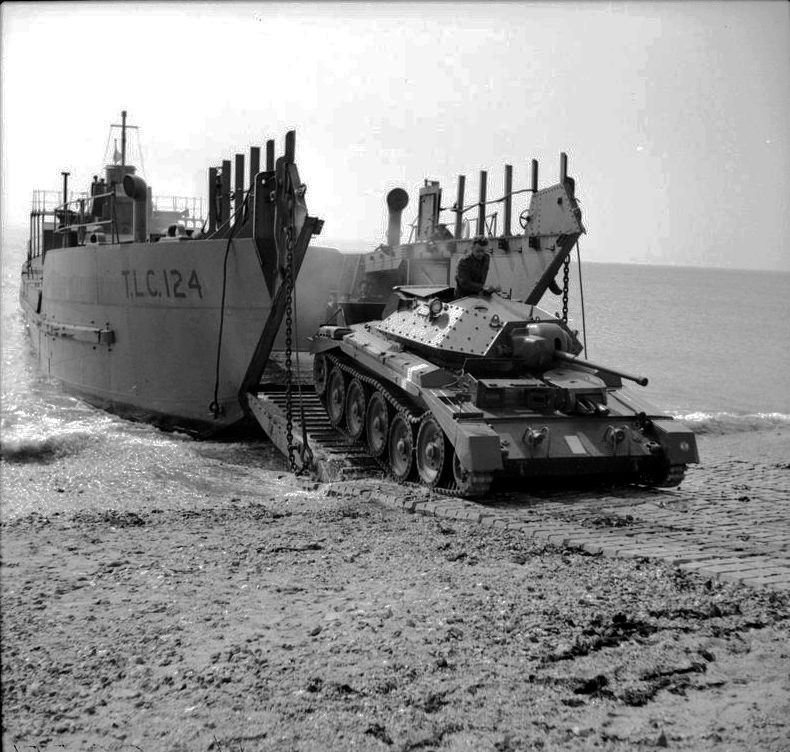
Amphibious warfare is a type of offensive military operation that today uses naval ships to project ground and air power onto a hostile or potentially hostile shore at a designated landing beach. Through history the operations were conducted using ship's boats as the primary method of delivering troops to shore. Since the Gallipoli Campaign, specialised watercraft were increasingly designed for landing troops, material and vehicles, including by landing craft and for insertion of commandos, by fast patrol boats, zodiacs (rigid inflatable boats) and from mini-submersibles. The term amphibious first emerged in the United Kingdom and the United States during the 1930s with introduction of vehicles such as Vickers-Carden-Loyd Light Amphibious Tank or the Landing Vehicle Tracked.
Amphibious warfare includes operations defined by their type, purpose, scale and means of execution. In the British Empire at the time these were called combined operations which were defined as "...operations where naval, military or air forces in any combination are co-operating with each other, working independently under their respective commanders, but with a common strategic object." All armed forces that employ troops with special training and equipment for conducting landings from naval vessels to shore agree to this definition. Since the 20th century, an amphibious landing of troops on a beachhead is acknowledged as the most complex of all military maneuvers. The undertaking requires an intricate coordination of numerous military specialties, including air power, naval gunfire, naval transport, logistical planning, specialized equipment, land warfare, tactics, and extensive training in the nuances of this maneuver for all personnel involved.
In essence, amphibious operations consist of the phases of strategic planning and preparation, operational transit to the intended theatre of operations, pre-landing rehearsal and disembarkation, troop landings, beachhead consolidation and conducting inland ground and air operations. Historically, within the scope of these phases a vital part of success was often based on the military logistics, naval gunfire and close air support. Another factor is the variety and quantity of specialised vehicles and equipment used by the landing force that are designed for the specific needs of this type of operation. Amphibious operations can be classified as tactical or operational raids such as the Dieppe Raid, operational landings in support of a larger land strategy such as the Kerch–Eltigen Operation, and a strategic opening of a new Theatre of Operations, for example the Operation Avalanche. The purpose of amphibious operations is usually offensive, except in cases of amphibious withdrawals, but is limited by the plan and terrain. Landings on islands less than 5,000 km2 (1,900 sq mi) in size are tactical, usually with the limited objectives of neutralising enemy defenders and obtaining a new base of operation. Such an operation may be prepared and planned in days or weeks, and would employ a naval task force to land less than a division of troops.
The intent of operational landings is usually to exploit the shore as a vulnerability in the enemy's overall position, forcing redeployment of forces, premature use of reserves, and aiding a larger allied offensive effort elsewhere. Such an operation requiring weeks to months of preparation and planning, would use multiple task forces, or even a naval fleet to land corps-size forces, including on large islands, for example Operation Chromite. A strategic landing operation requires a major commitment of forces to invade a national territory in the archipelagic, such as the Battle of Leyte, or continental, such as Operation Neptune. Such an operation may require multiple naval and air fleets to support the landings, and extensive intelligence gathering and planning of over a year. Although most amphibious operations are thought of primarily as beach landings, they can exploit available shore infrastructure to land troops directly into an urban environment if unopposed. In this case non-specialised ships can offload troops, vehicles and cargo using organic or facility wharf-side equipment. Tactical landings in the past have utilised small boats, small craft, small ships and civilian vessels converted for the mission to deliver troops to the water's edge.
A naval landing operation requires vessels to troops and equipment and might include amphibious reconnaissance. Military intelligence services obtain information on the opponent. Amphibious warfare goes back to ancient times. The Sea Peoples menaced the Egyptians from the reign of Akhenaten as captured on the reliefs at Medinet Habu and Karnak. The Hellenic city states routinely resorted to amphibious assaults upon each other's shores, which they reflected upon in their plays and other art. The landing at Marathon by the Persians on 9 September 490 BC was the largest amphibious operation until the landings at the Battle of Gallipoli.
In 1537 Charles V, Holy Roman Emperor and King of Spain, decided to train and assign amphibious-assault skilled units to the Royal Armada specifically for fighting on and from ships. The Spanish Marines were born under the name Compañías Viejas del Mar de Nápoles ("All-Spanish Sea Companies of Naples"). The idea was to set up a permanent assignation of land troops to the Royal Spanish Navy that would be available for the Crown.
The first "professional" marine units were already task-trained amphibious troops, but instead of being disbanded, they were kept for the Spanish Crown's needs. Their first actions took place all along the Mediterranean Sea, where the Turks and pirate settlements were risks for commerce and navigation: Algiers, Malta and Gelves.
In 1565, the island of Malta was invaded by the Ottoman Turks during the Great Siege of Malta, forcing its defenders to retreat to the fortified cities. A strategic choke point in the Mediterranean Sea, its loss would have been so menacing for the kingdoms of Western Europe that forces were urgently raised to relieve the island. It took four months to train, arm and move a 5,500-man amphibious force to lift the siege.
Amphibious warfare
Amphibious warfare is a type of offensive military operation that today uses naval ships to project ground and air power onto a hostile or potentially hostile shore at a designated landing beach. Through history the operations were conducted using ship's boats as the primary method of delivering troops to shore. Since the Gallipoli Campaign, specialised watercraft were increasingly designed for landing troops, material and vehicles, including by landing craft and for insertion of commandos, by fast patrol boats, zodiacs (rigid inflatable boats) and from mini-submersibles. The term amphibious first emerged in the United Kingdom and the United States during the 1930s with introduction of vehicles such as Vickers-Carden-Loyd Light Amphibious Tank or the Landing Vehicle Tracked.
Amphibious warfare includes operations defined by their type, purpose, scale and means of execution. In the British Empire at the time these were called combined operations which were defined as "...operations where naval, military or air forces in any combination are co-operating with each other, working independently under their respective commanders, but with a common strategic object." All armed forces that employ troops with special training and equipment for conducting landings from naval vessels to shore agree to this definition. Since the 20th century, an amphibious landing of troops on a beachhead is acknowledged as the most complex of all military maneuvers. The undertaking requires an intricate coordination of numerous military specialties, including air power, naval gunfire, naval transport, logistical planning, specialized equipment, land warfare, tactics, and extensive training in the nuances of this maneuver for all personnel involved.
In essence, amphibious operations consist of the phases of strategic planning and preparation, operational transit to the intended theatre of operations, pre-landing rehearsal and disembarkation, troop landings, beachhead consolidation and conducting inland ground and air operations. Historically, within the scope of these phases a vital part of success was often based on the military logistics, naval gunfire and close air support. Another factor is the variety and quantity of specialised vehicles and equipment used by the landing force that are designed for the specific needs of this type of operation. Amphibious operations can be classified as tactical or operational raids such as the Dieppe Raid, operational landings in support of a larger land strategy such as the Kerch–Eltigen Operation, and a strategic opening of a new Theatre of Operations, for example the Operation Avalanche. The purpose of amphibious operations is usually offensive, except in cases of amphibious withdrawals, but is limited by the plan and terrain. Landings on islands less than 5,000 km2 (1,900 sq mi) in size are tactical, usually with the limited objectives of neutralising enemy defenders and obtaining a new base of operation. Such an operation may be prepared and planned in days or weeks, and would employ a naval task force to land less than a division of troops.
The intent of operational landings is usually to exploit the shore as a vulnerability in the enemy's overall position, forcing redeployment of forces, premature use of reserves, and aiding a larger allied offensive effort elsewhere. Such an operation requiring weeks to months of preparation and planning, would use multiple task forces, or even a naval fleet to land corps-size forces, including on large islands, for example Operation Chromite. A strategic landing operation requires a major commitment of forces to invade a national territory in the archipelagic, such as the Battle of Leyte, or continental, such as Operation Neptune. Such an operation may require multiple naval and air fleets to support the landings, and extensive intelligence gathering and planning of over a year. Although most amphibious operations are thought of primarily as beach landings, they can exploit available shore infrastructure to land troops directly into an urban environment if unopposed. In this case non-specialised ships can offload troops, vehicles and cargo using organic or facility wharf-side equipment. Tactical landings in the past have utilised small boats, small craft, small ships and civilian vessels converted for the mission to deliver troops to the water's edge.
A naval landing operation requires vessels to troops and equipment and might include amphibious reconnaissance. Military intelligence services obtain information on the opponent. Amphibious warfare goes back to ancient times. The Sea Peoples menaced the Egyptians from the reign of Akhenaten as captured on the reliefs at Medinet Habu and Karnak. The Hellenic city states routinely resorted to amphibious assaults upon each other's shores, which they reflected upon in their plays and other art. The landing at Marathon by the Persians on 9 September 490 BC was the largest amphibious operation until the landings at the Battle of Gallipoli.
In 1537 Charles V, Holy Roman Emperor and King of Spain, decided to train and assign amphibious-assault skilled units to the Royal Armada specifically for fighting on and from ships. The Spanish Marines were born under the name Compañías Viejas del Mar de Nápoles ("All-Spanish Sea Companies of Naples"). The idea was to set up a permanent assignation of land troops to the Royal Spanish Navy that would be available for the Crown.
The first "professional" marine units were already task-trained amphibious troops, but instead of being disbanded, they were kept for the Spanish Crown's needs. Their first actions took place all along the Mediterranean Sea, where the Turks and pirate settlements were risks for commerce and navigation: Algiers, Malta and Gelves.
In 1565, the island of Malta was invaded by the Ottoman Turks during the Great Siege of Malta, forcing its defenders to retreat to the fortified cities. A strategic choke point in the Mediterranean Sea, its loss would have been so menacing for the kingdoms of Western Europe that forces were urgently raised to relieve the island. It took four months to train, arm and move a 5,500-man amphibious force to lift the siege.
Recent media
Recent media