



Community hub
Recent from talks
Knowledge base stats:
Talk channels stats:
Members stats:
Infant formula
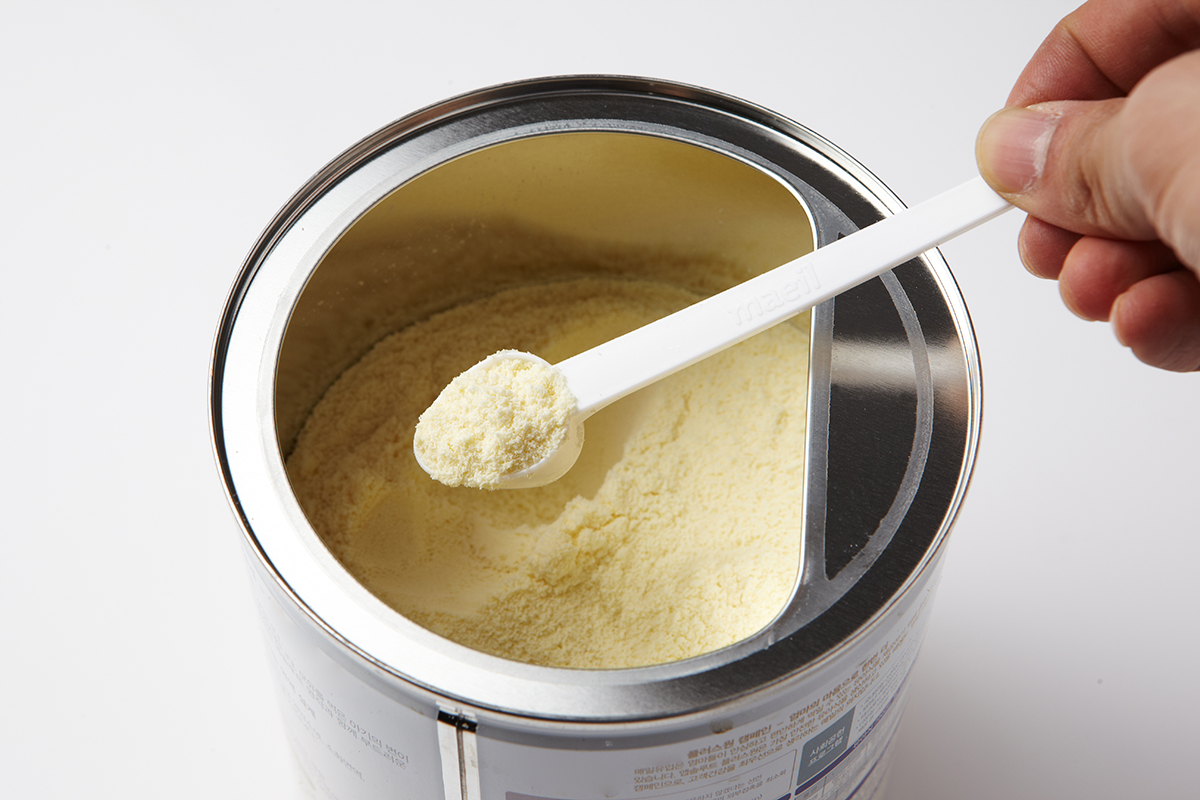
Infant formula, also called baby formula, simply formula (American English), formula milk, baby milk, or infant milk (British English), is a manufactured food designed and marketed for feeding babies and infants under 12 months of age, usually prepared for bottle-feeding or cup-feeding from powder (mixed with water) or liquid (with or without additional water). The U.S. Federal Food, Drug, and Cosmetic Act (FFDCA) defines infant formula as "a food which purports to be or is represented for special dietary use solely as a food for infants because it simulates human milk or its suitability as a complete or partial substitute for human milk".
A 2001 World Health Organization (WHO) report found that infant formula prepared per applicable Codex Alimentarius standards was a safe complementary food and a suitable breast milk substitute. In 2003, the WHO and UNICEF published their Global Strategy for Infant and Young Child Feeding, which restated that "processed-food products for...young children should, when sold or otherwise distributed, meet applicable standards recommended by the Codex Alimentarius Commission", and also warned that "lack of breastfeeding—and especially lack of exclusive breastfeeding during the first half-year of life—are important risk factors for infant and childhood morbidity and mortality".
Some studies have shown that use of formula can vary according to the parents' socio-economic status, ethnicity or other characteristics.
The use and marketing of infant formula have been subject to scrutiny. Breastfeeding, including exclusive breastfeeding for the first 6 months of life, is widely advocated as "ideal" for babies and infants, both by health authorities—and accordingly in ethical advertising of infant formula manufacturers. Despite the recommendation that babies be exclusively breastfed for the first 6 months, 48% of infants below this age are exclusively breastfed worldwide. The overwhelming majority of American babies are not exclusively breastfed for this period—in 2025 24.9% of babies were breastfed exclusively for the first 6 months, with nearly 40% of babies less than 3 months of age being supplemented with infant formula in 2022, and approximately 20% of infants having infant formula feeding within two days of birth. The use of hydrolysed cow milk baby formula versus standard milk baby formula does not appear to change the risk of allergies or autoimmune diseases.
In some cases, breastfeeding is medically contraindicated; these include:
Other reasons for not breastfeeding include:
The use of infant formula has been cited for association with numerous increased health risks. Studies have found infants in developed countries who consume formula are at increased risk for acute otitis media, gastroenteritis, severe lower respiratory tract infections, atopic dermatitis, asthma, obesity, type 1 and 2 diabetes, sudden infant death syndrome (SIDS), eczema and necrotizing enterocolitis when compared to infants who are breastfed. Some studies have found an association between infant formula and lower cognitive development, including iron supplementation in baby formula being linked to lowered I.Q. and other neurodevelopmental delays; however other studies have found no correlation. Causation, however, has not been established for negative long-term health effects of infant formula; studies analyzing health outcomes for breastfed vs. formula fed babies are primarily observational in nature and are plagued with confounding factors such as socioeconomic status, education level, and maternal preexisting conditions (such as obesity, which is associated with both low milk production and childhood obesity). When confounding factors are controlled for, differences between the long-term health of breastfed and formula-fed infants decrease.
In 2008, a case of melamine poisoning of infant formula was discovered in China, where milk was deliberately adulterated with the chemical, leading to the death of six babies, and illnesses in more than 300,000 infants, including cases of acute kidney failure. Large quantities of melamine were added to watered-down milk to give it the appearance of having adequate protein levels. Some of those responsible for the poisoning were sentenced to death.
Hub AI
Infant formula AI simulator
(@Infant formula_simulator)
Infant formula
Infant formula, also called baby formula, simply formula (American English), formula milk, baby milk, or infant milk (British English), is a manufactured food designed and marketed for feeding babies and infants under 12 months of age, usually prepared for bottle-feeding or cup-feeding from powder (mixed with water) or liquid (with or without additional water). The U.S. Federal Food, Drug, and Cosmetic Act (FFDCA) defines infant formula as "a food which purports to be or is represented for special dietary use solely as a food for infants because it simulates human milk or its suitability as a complete or partial substitute for human milk".
A 2001 World Health Organization (WHO) report found that infant formula prepared per applicable Codex Alimentarius standards was a safe complementary food and a suitable breast milk substitute. In 2003, the WHO and UNICEF published their Global Strategy for Infant and Young Child Feeding, which restated that "processed-food products for...young children should, when sold or otherwise distributed, meet applicable standards recommended by the Codex Alimentarius Commission", and also warned that "lack of breastfeeding—and especially lack of exclusive breastfeeding during the first half-year of life—are important risk factors for infant and childhood morbidity and mortality".
Some studies have shown that use of formula can vary according to the parents' socio-economic status, ethnicity or other characteristics.
The use and marketing of infant formula have been subject to scrutiny. Breastfeeding, including exclusive breastfeeding for the first 6 months of life, is widely advocated as "ideal" for babies and infants, both by health authorities—and accordingly in ethical advertising of infant formula manufacturers. Despite the recommendation that babies be exclusively breastfed for the first 6 months, 48% of infants below this age are exclusively breastfed worldwide. The overwhelming majority of American babies are not exclusively breastfed for this period—in 2025 24.9% of babies were breastfed exclusively for the first 6 months, with nearly 40% of babies less than 3 months of age being supplemented with infant formula in 2022, and approximately 20% of infants having infant formula feeding within two days of birth. The use of hydrolysed cow milk baby formula versus standard milk baby formula does not appear to change the risk of allergies or autoimmune diseases.
In some cases, breastfeeding is medically contraindicated; these include:
Other reasons for not breastfeeding include:
The use of infant formula has been cited for association with numerous increased health risks. Studies have found infants in developed countries who consume formula are at increased risk for acute otitis media, gastroenteritis, severe lower respiratory tract infections, atopic dermatitis, asthma, obesity, type 1 and 2 diabetes, sudden infant death syndrome (SIDS), eczema and necrotizing enterocolitis when compared to infants who are breastfed. Some studies have found an association between infant formula and lower cognitive development, including iron supplementation in baby formula being linked to lowered I.Q. and other neurodevelopmental delays; however other studies have found no correlation. Causation, however, has not been established for negative long-term health effects of infant formula; studies analyzing health outcomes for breastfed vs. formula fed babies are primarily observational in nature and are plagued with confounding factors such as socioeconomic status, education level, and maternal preexisting conditions (such as obesity, which is associated with both low milk production and childhood obesity). When confounding factors are controlled for, differences between the long-term health of breastfed and formula-fed infants decrease.
In 2008, a case of melamine poisoning of infant formula was discovered in China, where milk was deliberately adulterated with the chemical, leading to the death of six babies, and illnesses in more than 300,000 infants, including cases of acute kidney failure. Large quantities of melamine were added to watered-down milk to give it the appearance of having adequate protein levels. Some of those responsible for the poisoning were sentenced to death.