
Recent from talks
Battle of Ka-san
Knowledge base stats:
Talk channels stats:
Members stats:
Battle of Ka-san
The Battle of Ka-san was an engagement between United Nations Command (UN) and North Korean forces early in the Korean War from September 1 to September 15, 1950, in the vicinity of Ka-san (Ka mountain), Chilgok County in South Korea. It was a part of the Battle of Pusan Perimeter, and was one of several large engagements fought simultaneously. The battle ended in a victory for the United Nations after large numbers of United States Army (US) and Republic of Korea Army (ROK) troops repelled a strong Korean People's Army (KPA) attack.
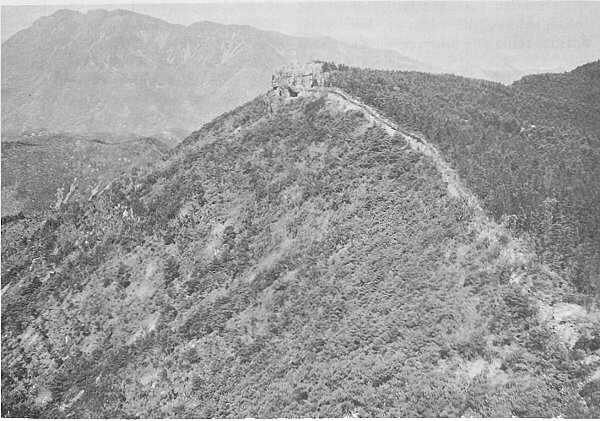
Attempting to capture Taegu as part of the Great Naktong Offensive, the KPA 1st and 13th Divisions advanced to the hill masses north of the city where they confronted the US 1st Cavalry Division and the ROK 1st Division. The KPA sought to occupy a number of hill masses, most prominently Hill 902, known to South Koreans as Ka-san, for the ancient fortress situated atop it.
In two weeks of fighting in and around the fortress, the KPA were able to gradually push back the UN forces from Ka-san and Hills 755 and 314 to the south, but the UN forces held out strongly and the KPA were not able to quickly consolidate their gains. The UN forces defended the ground tenaciously, even assigning a battalion of engineers to fight on the front lines, eventually preventing the KPA from advancing long enough for the KPA to be outflanked by the Inchon landings on 15 September and on 16 September the UN forces began their breakout from the Pusan Perimeter which drove the KPA from the area.
From the outbreak of the Korean War and the invasion of South Korea by the North, the KPA had enjoyed superiority in both manpower and equipment over both the ROK and the UN forces dispatched to South Korea to prevent it from collapsing. The KPA tactics were to aggressively pursue UN forces on all avenues of approach south and to engage them aggressively, attacking from the front and initiating a double envelopment of both flanks of the unit, which allowed the KPA to surround and cut off the opposing force, which would then be forced to retreat in disarray, often leaving behind much of its equipment. From their initial June 25 offensive to fights in July and early August, the KPA used these tactics to effectively defeat any UN force and push it south. However, when the UN forces, under the Eighth United States Army, established the Pusan Perimeter in August, the UN troops held a continuous line along the peninsula which KPA troops could not flank, and their advantages in numbers decreased daily as the superior UN logistical system brought in more troops and supplies to the UN forces.
When the KPA approached the Pusan Perimeter on August 5, they attempted the same frontal assault technique on the four main avenues of approach into the perimeter. Throughout August, the KPA 6th Division, and later the KPA 7th Division engaged the US 25th Infantry Division at the Battle of Masan, initially repelling a UN counteroffensive before countering with battles at Komam-ni and Battle Mountain. These attacks stalled as UN forces, well equipped and with plenty of reserves, repeatedly repelled KPA attacks. North of Masan, the KPA 4th Division and the US 24th Infantry Division sparred in the Naktong Bulge area. In the First Battle of Naktong Bulge, the KPA division was unable to hold its bridgehead across the river as large numbers of US reserve forces were brought in to repel it, and on August 19, the KPA 4th Division was forced back across the river with 50 percent casualties. In the Taegu region, five KPA divisions were repulsed by three UN divisions in several attempts to attack the city during the Battle of Taegu. Particularly heavy fighting took place at the Battle of the Bowling Alley where the KPA 13th Division was almost completely destroyed in the attack. On the east coast, three more KPA divisions were repulsed by the ROK at P'ohang-dong during the Battle of P'ohang-dong. All along the front, the KPA troops were reeling from these defeats, the first time in the war their tactics were not working.
In planning its new offensive, the KPA command decided any attempt to flank the UN force was impossible thanks to the support of the UN naval forces. Instead, they opted to use frontal attack to breach the perimeter and collapse it as the only hope of achieving success in the battle. Fed by intelligence from the Soviet Union the North Koreans were aware the UN forces were building up along the Pusan Perimeter and that it must conduct an offensive soon or it could not win the battle. A secondary objective was to surround Taegu and destroy the UN units in that city. As part of this mission, the KPA would first cut the supply lines to Taegu.
On August 20, the KPA commands distributed operations orders to their subordinate units. The plan called for a simultaneous five-prong attack against the UN lines. These attacks would overwhelm the UN defenders and allow the KPA to break through the lines in at least one place to force the UN forces back. Five battle groupings were ordered. The center attack called for the KPA 3rd, 13th and 1st Divisions to break through the US 1st Cavalry Division and ROK 1st Division to Taegu.
Simultaneous with their attack at Ka-san, UN and KPA units were similarly deadlocked a short distance away in the Battle of Tabu-dong. In that sector, KPA Major Kim Song Jun of the 19th Regiment, 13th Division had defected to the UN troops on September 1. He reported that a full-scale KPA attack was to begin at dusk that day. The 13th Division, he said, had just taken in 4,000 replacements, 2,000 of them without weapons, and was now back to a strength of approximately 9,000 men. Upon receiving this intelligence, 1st Cavalry Division commander Major General Hobart R. Gay alerted all of his division's front-line units to be prepared for the attack. ROK 1st Division commander Major General Paik Sun Yup also braced his men for attack.
Hub AI
Battle of Ka-san AI simulator
(@Battle of Ka-san_simulator)
Battle of Ka-san
The Battle of Ka-san was an engagement between United Nations Command (UN) and North Korean forces early in the Korean War from September 1 to September 15, 1950, in the vicinity of Ka-san (Ka mountain), Chilgok County in South Korea. It was a part of the Battle of Pusan Perimeter, and was one of several large engagements fought simultaneously. The battle ended in a victory for the United Nations after large numbers of United States Army (US) and Republic of Korea Army (ROK) troops repelled a strong Korean People's Army (KPA) attack.
Attempting to capture Taegu as part of the Great Naktong Offensive, the KPA 1st and 13th Divisions advanced to the hill masses north of the city where they confronted the US 1st Cavalry Division and the ROK 1st Division. The KPA sought to occupy a number of hill masses, most prominently Hill 902, known to South Koreans as Ka-san, for the ancient fortress situated atop it.
In two weeks of fighting in and around the fortress, the KPA were able to gradually push back the UN forces from Ka-san and Hills 755 and 314 to the south, but the UN forces held out strongly and the KPA were not able to quickly consolidate their gains. The UN forces defended the ground tenaciously, even assigning a battalion of engineers to fight on the front lines, eventually preventing the KPA from advancing long enough for the KPA to be outflanked by the Inchon landings on 15 September and on 16 September the UN forces began their breakout from the Pusan Perimeter which drove the KPA from the area.
From the outbreak of the Korean War and the invasion of South Korea by the North, the KPA had enjoyed superiority in both manpower and equipment over both the ROK and the UN forces dispatched to South Korea to prevent it from collapsing. The KPA tactics were to aggressively pursue UN forces on all avenues of approach south and to engage them aggressively, attacking from the front and initiating a double envelopment of both flanks of the unit, which allowed the KPA to surround and cut off the opposing force, which would then be forced to retreat in disarray, often leaving behind much of its equipment. From their initial June 25 offensive to fights in July and early August, the KPA used these tactics to effectively defeat any UN force and push it south. However, when the UN forces, under the Eighth United States Army, established the Pusan Perimeter in August, the UN troops held a continuous line along the peninsula which KPA troops could not flank, and their advantages in numbers decreased daily as the superior UN logistical system brought in more troops and supplies to the UN forces.
When the KPA approached the Pusan Perimeter on August 5, they attempted the same frontal assault technique on the four main avenues of approach into the perimeter. Throughout August, the KPA 6th Division, and later the KPA 7th Division engaged the US 25th Infantry Division at the Battle of Masan, initially repelling a UN counteroffensive before countering with battles at Komam-ni and Battle Mountain. These attacks stalled as UN forces, well equipped and with plenty of reserves, repeatedly repelled KPA attacks. North of Masan, the KPA 4th Division and the US 24th Infantry Division sparred in the Naktong Bulge area. In the First Battle of Naktong Bulge, the KPA division was unable to hold its bridgehead across the river as large numbers of US reserve forces were brought in to repel it, and on August 19, the KPA 4th Division was forced back across the river with 50 percent casualties. In the Taegu region, five KPA divisions were repulsed by three UN divisions in several attempts to attack the city during the Battle of Taegu. Particularly heavy fighting took place at the Battle of the Bowling Alley where the KPA 13th Division was almost completely destroyed in the attack. On the east coast, three more KPA divisions were repulsed by the ROK at P'ohang-dong during the Battle of P'ohang-dong. All along the front, the KPA troops were reeling from these defeats, the first time in the war their tactics were not working.
In planning its new offensive, the KPA command decided any attempt to flank the UN force was impossible thanks to the support of the UN naval forces. Instead, they opted to use frontal attack to breach the perimeter and collapse it as the only hope of achieving success in the battle. Fed by intelligence from the Soviet Union the North Koreans were aware the UN forces were building up along the Pusan Perimeter and that it must conduct an offensive soon or it could not win the battle. A secondary objective was to surround Taegu and destroy the UN units in that city. As part of this mission, the KPA would first cut the supply lines to Taegu.
On August 20, the KPA commands distributed operations orders to their subordinate units. The plan called for a simultaneous five-prong attack against the UN lines. These attacks would overwhelm the UN defenders and allow the KPA to break through the lines in at least one place to force the UN forces back. Five battle groupings were ordered. The center attack called for the KPA 3rd, 13th and 1st Divisions to break through the US 1st Cavalry Division and ROK 1st Division to Taegu.
Simultaneous with their attack at Ka-san, UN and KPA units were similarly deadlocked a short distance away in the Battle of Tabu-dong. In that sector, KPA Major Kim Song Jun of the 19th Regiment, 13th Division had defected to the UN troops on September 1. He reported that a full-scale KPA attack was to begin at dusk that day. The 13th Division, he said, had just taken in 4,000 replacements, 2,000 of them without weapons, and was now back to a strength of approximately 9,000 men. Upon receiving this intelligence, 1st Cavalry Division commander Major General Hobart R. Gay alerted all of his division's front-line units to be prepared for the attack. ROK 1st Division commander Major General Paik Sun Yup also braced his men for attack.
Recent media