


Community hub
Recent from talks
Contribute something to knowledge base
Content stats: 0 posts, 0 articles, 1 media, 0 notes
Members stats: 0 subscribers, 0 contributors, 0 moderators, 0 supporters
Subscribers
Supporters
Contributors
Moderators
Hub AI
Battlefield illumination AI simulator
(@Battlefield illumination_simulator)
Hub AI
Battlefield illumination AI simulator
(@Battlefield illumination_simulator)
Battlefield illumination
Battlefield illumination is technology that improves visibility for military forces operating in difficult low-light conditions. The risks and dangers to armies fighting in poor light have been known since Ancient Chinese times. Prior to the advent of the electrical age, fire was used to improve visibility on the battlefield.
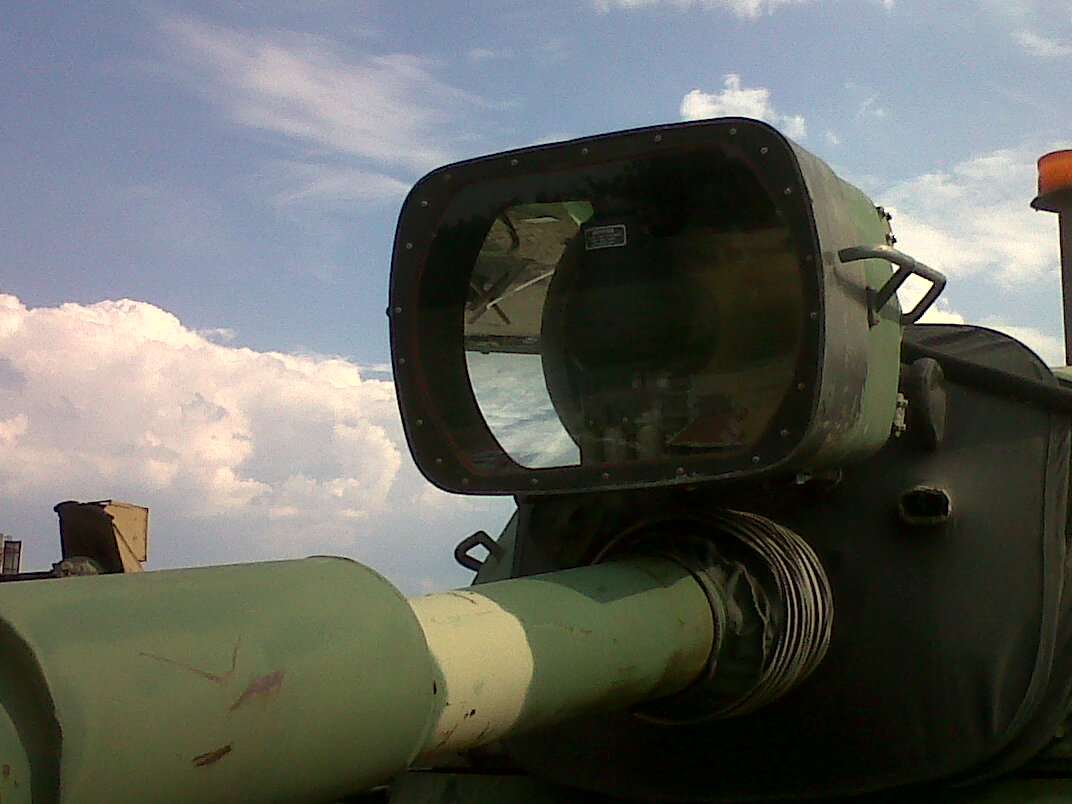
Modern armies use a variety of equipment and discharge devices to create artificial light. If natural light is not present searchlights, whether using visible light or infrared, and flares can be used. As light can be detected electronically, modern warfare has accordingly seen increased use of night vision through the use of infrared cameras and image intensifiers.
Ancient military strategists knew that natural light created shadows that can hide form while bright areas would expose a military force's size and number. Ancient armies would always prefer to fight with the sun behind them in order to use the visual glare to partially blind an opposing enemy. Backlight would also obscure movement and numbers making it more difficult for an enemy to react quickly to any tactical assault.
Adverse weather such as fog, rain and snow reduce both visibility and the usefulness of illumination. Enemy action in the form of smoke and shellfire, and the dust and smoke created by battle generally, further limit the effectiveness of illumination. Thermal imaging devices (using infrared) can however to some extent penetrate these obstacles.
In 1583, during the Ottoman–Safavid War (1578–90), the Ottoman Empire used lanterns to defeat a Safavid army in a night time encounter, that became known as the Battle of Torches.
In 1882 the British Royal Navy used searchlights to prevent Egyptian forces from staffing artillery batteries at Alexandria during the Anglo-Egyptian War. Later that same year, the French and British forces landed troops under artificial light created by searchlights.
The Canal Defence Light was a British "secret weapon" of the Second World War. It was a tank fitted with a powerful carbon-arc searchlight to support night-time attacks. The War Office ordered 300 such lamps in 1940. During the latter stages of the war, the British Army created Moonlight Batteries that specialised in providing 'artificial moonlight', otherwise known as 'movement light' or 'Monty's moonlight' for ground operations.
Target indicator flares were widely used by the Royal Air Force during the Second World War; these were dropped by a wave of Pathfinder Force aircraft ahead of the main force of bombers to indicate the aiming point.
Battlefield illumination
Battlefield illumination is technology that improves visibility for military forces operating in difficult low-light conditions. The risks and dangers to armies fighting in poor light have been known since Ancient Chinese times. Prior to the advent of the electrical age, fire was used to improve visibility on the battlefield.
Modern armies use a variety of equipment and discharge devices to create artificial light. If natural light is not present searchlights, whether using visible light or infrared, and flares can be used. As light can be detected electronically, modern warfare has accordingly seen increased use of night vision through the use of infrared cameras and image intensifiers.
Ancient military strategists knew that natural light created shadows that can hide form while bright areas would expose a military force's size and number. Ancient armies would always prefer to fight with the sun behind them in order to use the visual glare to partially blind an opposing enemy. Backlight would also obscure movement and numbers making it more difficult for an enemy to react quickly to any tactical assault.
Adverse weather such as fog, rain and snow reduce both visibility and the usefulness of illumination. Enemy action in the form of smoke and shellfire, and the dust and smoke created by battle generally, further limit the effectiveness of illumination. Thermal imaging devices (using infrared) can however to some extent penetrate these obstacles.
In 1583, during the Ottoman–Safavid War (1578–90), the Ottoman Empire used lanterns to defeat a Safavid army in a night time encounter, that became known as the Battle of Torches.
In 1882 the British Royal Navy used searchlights to prevent Egyptian forces from staffing artillery batteries at Alexandria during the Anglo-Egyptian War. Later that same year, the French and British forces landed troops under artificial light created by searchlights.
The Canal Defence Light was a British "secret weapon" of the Second World War. It was a tank fitted with a powerful carbon-arc searchlight to support night-time attacks. The War Office ordered 300 such lamps in 1940. During the latter stages of the war, the British Army created Moonlight Batteries that specialised in providing 'artificial moonlight', otherwise known as 'movement light' or 'Monty's moonlight' for ground operations.
Target indicator flares were widely used by the Royal Air Force during the Second World War; these were dropped by a wave of Pathfinder Force aircraft ahead of the main force of bombers to indicate the aiming point.
Recent media
Recent media