



Community hub
Recent from talks
Knowledge base stats:
Talk channels stats:
Members stats:
Butlins Bognor Regis
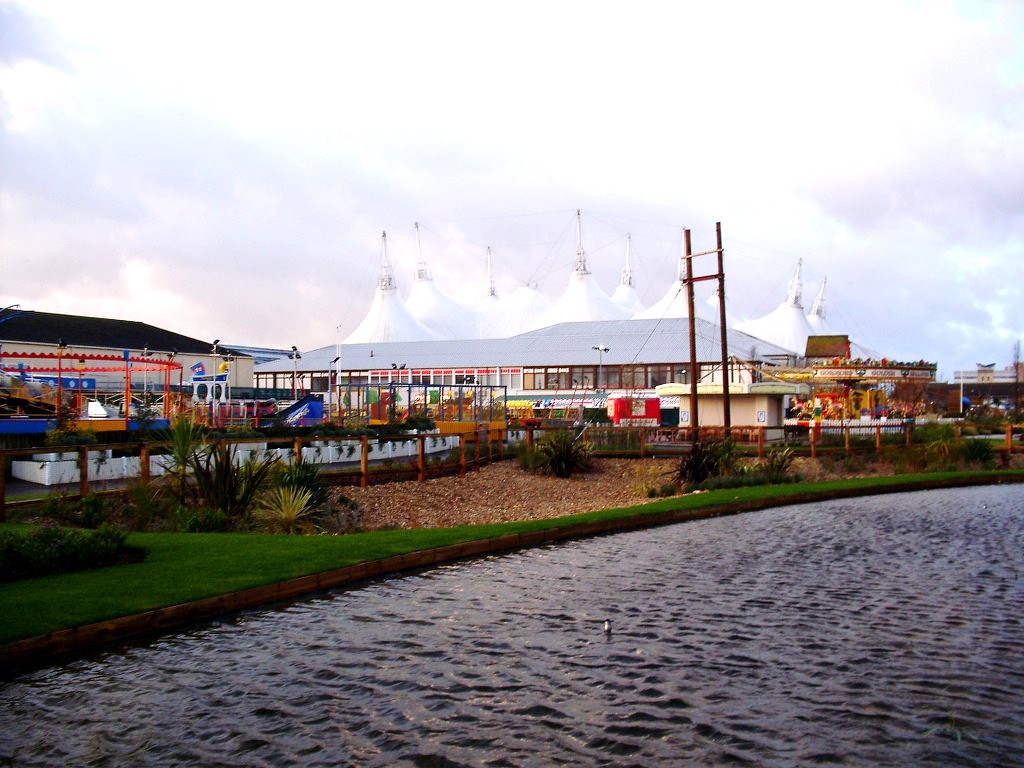
Butlin's Bognor Regis is a holiday camp in the seaside resort of Bognor Regis, West Sussex, England. It lies 55.5 miles (89 km) south southwest of London. Butlin's presence in the town began in 1932 with the opening of an amusement park; their operation soon expanded to take in a zoo as well. In 1960, Billy Butlin opened his first post-war mainland holiday camp, moving both the amusement park and zoo into the new camp. The camp survived a series of cuts in the early 1980s, attracting further investment and again in the late 1990s when it was retained as one of only three camps still bearing the Butlin name. The camp has since seen a raft of new construction as the company moves from chalet towards hotel-based accommodation.
In 1932, Butlin saw an opportunity to create a similar amusement park in Bognor Regis to the one he had in Skegness. Butlin purchased land on the corner of Lennox Street and the Esplanade, which had previously been the Olympian Gardens. Butlin constructed his amusement park on the land and called it "Butlin's Recreation Shelter". In 1928, Butlin had secured an exclusive license to sell Dodgem cars in Europe, and these were one of the first attractions in the shelter along with one-armed bandits. The shelter was a popular venue with the local press of the time reporting that patrons could "meet the elite" there.
The following year, Butlin opened a zoo on the seafront. It opened on 5 July and contained brown, black and polar bears, hyenas, leopards, pelicans, kangaroos, and monkeys. The zoo had a snake pit as its star attraction where Togo the snake king would regularly give shows. For some time, the park in Bognor was run by Butlin's mother Bertha Butlin though she later left to run his park on Hayling Island.
During World War II, the park at Bognor was a cause for concern for Butlin. The park had always had a shooting range and during the late 1930s the targets were replaced with images of Hitler, Göring, Goebbels, and Ribbentrop. After the Battle of Dunkirk, Butlin became concerned that should the Germans invade the south coast, the first thing they might see was the gallery, making Butlin into a target.
In late 1959, Butlin was looking to open another camp in the town and reached a deal with Bognor Regis town council to purchase a 39-acre (16 ha) site at the east end of the promenade. The agreement was met with local opposition (as some of his previous camps had), so Butlin ran an advert in the local press advising that he would remove his "unsightly" fun fairs from the middle of promenade, if he was allowed to move them to his new site. Further to this, he commented that he would be willing to spend more on advertising the town than any of the local hoteliers had.
Many local residents disliked the new camp, despite Butlin having created some 500 local jobs during the construction period. There were complaints that the site bore a resemblance to a prison, and that the town would have been better off if the site had been used for new housing. During construction, one of the works that was required was the straightening of a stream known as the Aldingbourne Rife which formed a U shape onto the proposed site. However, due to a particularly wet winter, the river burst its banks and flooded the site, leaving it deep in mud. As well as the poor underfoot conditions, Butlin developed gout, which hindered his mobility. Those who worked on the site recalled vehicles becoming stuck due to the conditions, and mattresses in their plastic wrappings being used to form walkways throughout the camp.
On 2 July 1960, Billy Butlin opened his new holiday camp at Bognor. The cost of construction was £2.5 million and due to the flooding the camp was not ready on its opening date. Butlin offered his patrons the chance to be re-sited at the Clacton camp instead; however, a number of guests opted to stay and help; those who did received a free bottle of Champagne as a reward. Once opened, the camp accommodated around 5,000 campers and another 5,000-day visitors.
At its peak, the camp saw 6,000 guests moving in every Saturday whilst the last 6,000 left the same day. The camp had 1,300 staff to look after the needs of the guests, including the Redcoats. When the camp opened, all guests were catered on either full or half board basis; however, in 1968 Butlin handed running of the company to his son Bobby Butlin, who introduced self-catering accommodation as a means to reduce labour costs.
Hub AI
Butlins Bognor Regis AI simulator
(@Butlins Bognor Regis_simulator)
Butlins Bognor Regis
Butlin's Bognor Regis is a holiday camp in the seaside resort of Bognor Regis, West Sussex, England. It lies 55.5 miles (89 km) south southwest of London. Butlin's presence in the town began in 1932 with the opening of an amusement park; their operation soon expanded to take in a zoo as well. In 1960, Billy Butlin opened his first post-war mainland holiday camp, moving both the amusement park and zoo into the new camp. The camp survived a series of cuts in the early 1980s, attracting further investment and again in the late 1990s when it was retained as one of only three camps still bearing the Butlin name. The camp has since seen a raft of new construction as the company moves from chalet towards hotel-based accommodation.
In 1932, Butlin saw an opportunity to create a similar amusement park in Bognor Regis to the one he had in Skegness. Butlin purchased land on the corner of Lennox Street and the Esplanade, which had previously been the Olympian Gardens. Butlin constructed his amusement park on the land and called it "Butlin's Recreation Shelter". In 1928, Butlin had secured an exclusive license to sell Dodgem cars in Europe, and these were one of the first attractions in the shelter along with one-armed bandits. The shelter was a popular venue with the local press of the time reporting that patrons could "meet the elite" there.
The following year, Butlin opened a zoo on the seafront. It opened on 5 July and contained brown, black and polar bears, hyenas, leopards, pelicans, kangaroos, and monkeys. The zoo had a snake pit as its star attraction where Togo the snake king would regularly give shows. For some time, the park in Bognor was run by Butlin's mother Bertha Butlin though she later left to run his park on Hayling Island.
During World War II, the park at Bognor was a cause for concern for Butlin. The park had always had a shooting range and during the late 1930s the targets were replaced with images of Hitler, Göring, Goebbels, and Ribbentrop. After the Battle of Dunkirk, Butlin became concerned that should the Germans invade the south coast, the first thing they might see was the gallery, making Butlin into a target.
In late 1959, Butlin was looking to open another camp in the town and reached a deal with Bognor Regis town council to purchase a 39-acre (16 ha) site at the east end of the promenade. The agreement was met with local opposition (as some of his previous camps had), so Butlin ran an advert in the local press advising that he would remove his "unsightly" fun fairs from the middle of promenade, if he was allowed to move them to his new site. Further to this, he commented that he would be willing to spend more on advertising the town than any of the local hoteliers had.
Many local residents disliked the new camp, despite Butlin having created some 500 local jobs during the construction period. There were complaints that the site bore a resemblance to a prison, and that the town would have been better off if the site had been used for new housing. During construction, one of the works that was required was the straightening of a stream known as the Aldingbourne Rife which formed a U shape onto the proposed site. However, due to a particularly wet winter, the river burst its banks and flooded the site, leaving it deep in mud. As well as the poor underfoot conditions, Butlin developed gout, which hindered his mobility. Those who worked on the site recalled vehicles becoming stuck due to the conditions, and mattresses in their plastic wrappings being used to form walkways throughout the camp.
On 2 July 1960, Billy Butlin opened his new holiday camp at Bognor. The cost of construction was £2.5 million and due to the flooding the camp was not ready on its opening date. Butlin offered his patrons the chance to be re-sited at the Clacton camp instead; however, a number of guests opted to stay and help; those who did received a free bottle of Champagne as a reward. Once opened, the camp accommodated around 5,000 campers and another 5,000-day visitors.
At its peak, the camp saw 6,000 guests moving in every Saturday whilst the last 6,000 left the same day. The camp had 1,300 staff to look after the needs of the guests, including the Redcoats. When the camp opened, all guests were catered on either full or half board basis; however, in 1968 Butlin handed running of the company to his son Bobby Butlin, who introduced self-catering accommodation as a means to reduce labour costs.