
Recent from talks
Canonical hours
Knowledge base stats:
Talk channels stats:
Members stats:
Canonical hours
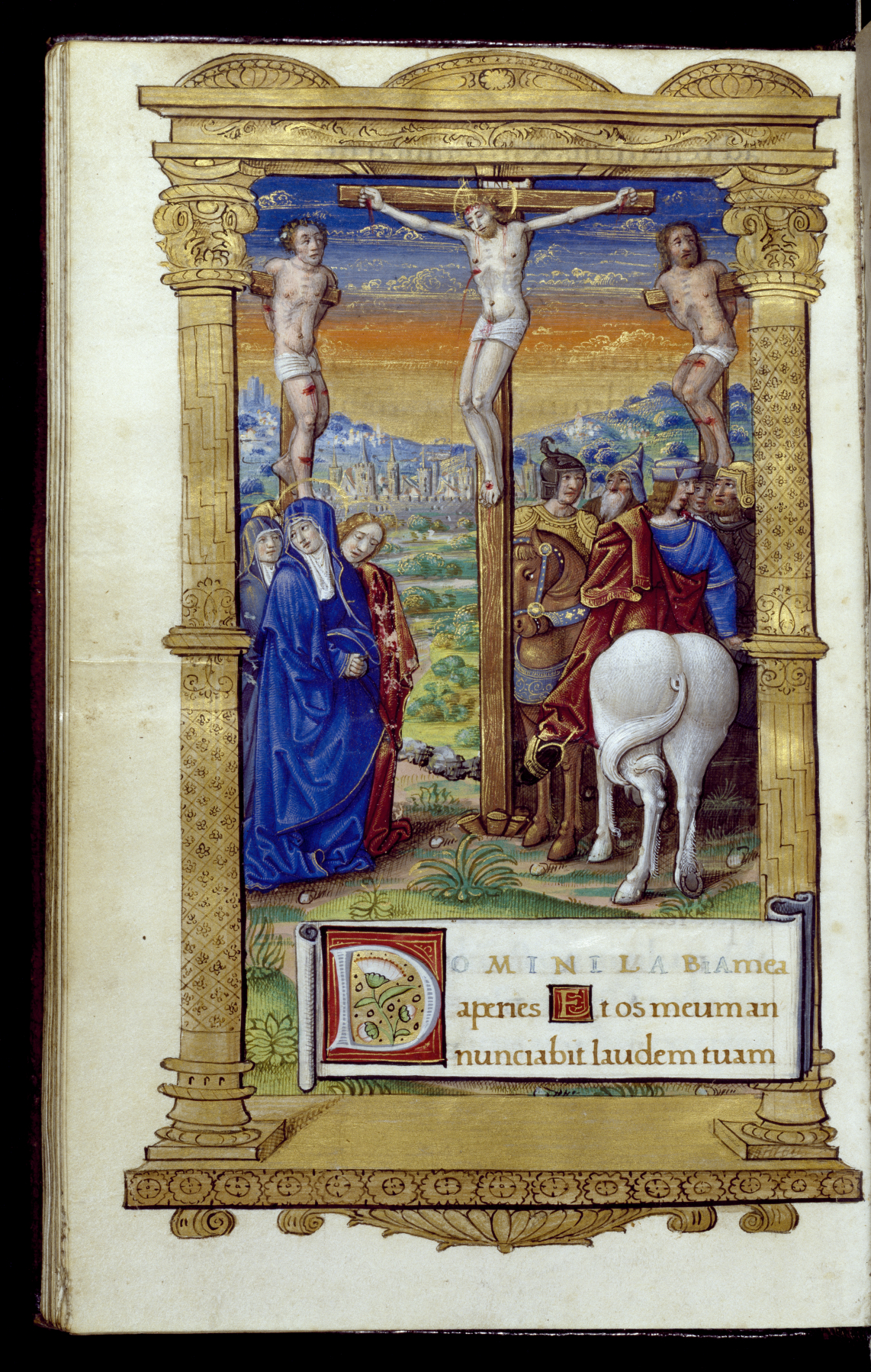
In the practice of Christianity, canonical hours mark the divisions of the day in terms of fixed times of prayer at regular intervals. A book of hours, chiefly a breviary, normally contains a version of, or selection from, such prayers.
In the Roman Rite of the Catholic Church, canonical hours are also called officium, since it refers to the official prayer of the Church, which is known variously as the officium divinum ("divine service", "divine office", or "divine duty"), and the opus Dei ("work of God"). The current official version of the hours in the Roman Rite is called the Liturgy of the Hours (Latin: liturgia horarum) or divine office.
In Lutheranism and Anglicanism, they are often known as the daily office or divine office, to distinguish them from the other "offices" of the Church (e.g. the administration of the sacraments).
In the Eastern Orthodox and Byzantine Catholic Churches, the canonical hours may be referred to as the divine services, and the book of hours is called the horologion (Greek: Ὡρολόγιον). Despite numerous small differences in practice according to local custom, the overall order is the same among Byzantine Rite monasteries, although parish and cathedral customs vary rather more so by locale.
The usage in Oriental Orthodox Churches, the Assyrian Church of the East, and their Eastern Catholic and Eastern Lutheran counterparts vary based on the rite, for example the East Syriac Rite or the Byzantine Rite.
The canonical hours stemmed from Jewish prayer. In the Old Testament, God commanded the Israelite priests to offer sacrifices of animals in the morning and afternoon (Exodus 29:38–39). Eventually, these sacrifices moved from the Tabernacle to Solomon's Temple in Jerusalem.
During the Babylonian captivity, when the Temple was no longer in use, synagogues carried on the practice, and the services (at fixed hours of the day) of Torah readings, psalms, and hymns began to evolve. This "sacrifice of praise" began to be substituted for the sacrifices of animals. After the people returned to Judea, the prayer services were incorporated into Temple worship as well.
The miraculous healing of the crippled beggar described in Acts of the Apostles 3:1, took place as Peter and John went to the Temple for the three o'clock hour of prayer. The practice of daily prayers grew from the Jewish practice of reciting prayers at set times of the day known as zmanim: for example, in the Acts of the Apostles, Saint Peter and John the Evangelist visit the Temple in Jerusalem for the afternoon prayers.
Hub AI
Canonical hours AI simulator
(@Canonical hours_simulator)
Canonical hours
In the practice of Christianity, canonical hours mark the divisions of the day in terms of fixed times of prayer at regular intervals. A book of hours, chiefly a breviary, normally contains a version of, or selection from, such prayers.
In the Roman Rite of the Catholic Church, canonical hours are also called officium, since it refers to the official prayer of the Church, which is known variously as the officium divinum ("divine service", "divine office", or "divine duty"), and the opus Dei ("work of God"). The current official version of the hours in the Roman Rite is called the Liturgy of the Hours (Latin: liturgia horarum) or divine office.
In Lutheranism and Anglicanism, they are often known as the daily office or divine office, to distinguish them from the other "offices" of the Church (e.g. the administration of the sacraments).
In the Eastern Orthodox and Byzantine Catholic Churches, the canonical hours may be referred to as the divine services, and the book of hours is called the horologion (Greek: Ὡρολόγιον). Despite numerous small differences in practice according to local custom, the overall order is the same among Byzantine Rite monasteries, although parish and cathedral customs vary rather more so by locale.
The usage in Oriental Orthodox Churches, the Assyrian Church of the East, and their Eastern Catholic and Eastern Lutheran counterparts vary based on the rite, for example the East Syriac Rite or the Byzantine Rite.
The canonical hours stemmed from Jewish prayer. In the Old Testament, God commanded the Israelite priests to offer sacrifices of animals in the morning and afternoon (Exodus 29:38–39). Eventually, these sacrifices moved from the Tabernacle to Solomon's Temple in Jerusalem.
During the Babylonian captivity, when the Temple was no longer in use, synagogues carried on the practice, and the services (at fixed hours of the day) of Torah readings, psalms, and hymns began to evolve. This "sacrifice of praise" began to be substituted for the sacrifices of animals. After the people returned to Judea, the prayer services were incorporated into Temple worship as well.
The miraculous healing of the crippled beggar described in Acts of the Apostles 3:1, took place as Peter and John went to the Temple for the three o'clock hour of prayer. The practice of daily prayers grew from the Jewish practice of reciting prayers at set times of the day known as zmanim: for example, in the Acts of the Apostles, Saint Peter and John the Evangelist visit the Temple in Jerusalem for the afternoon prayers.
Recent media