



Community hub
Recent from talks
Knowledge base stats:
Talk channels stats:
Members stats:
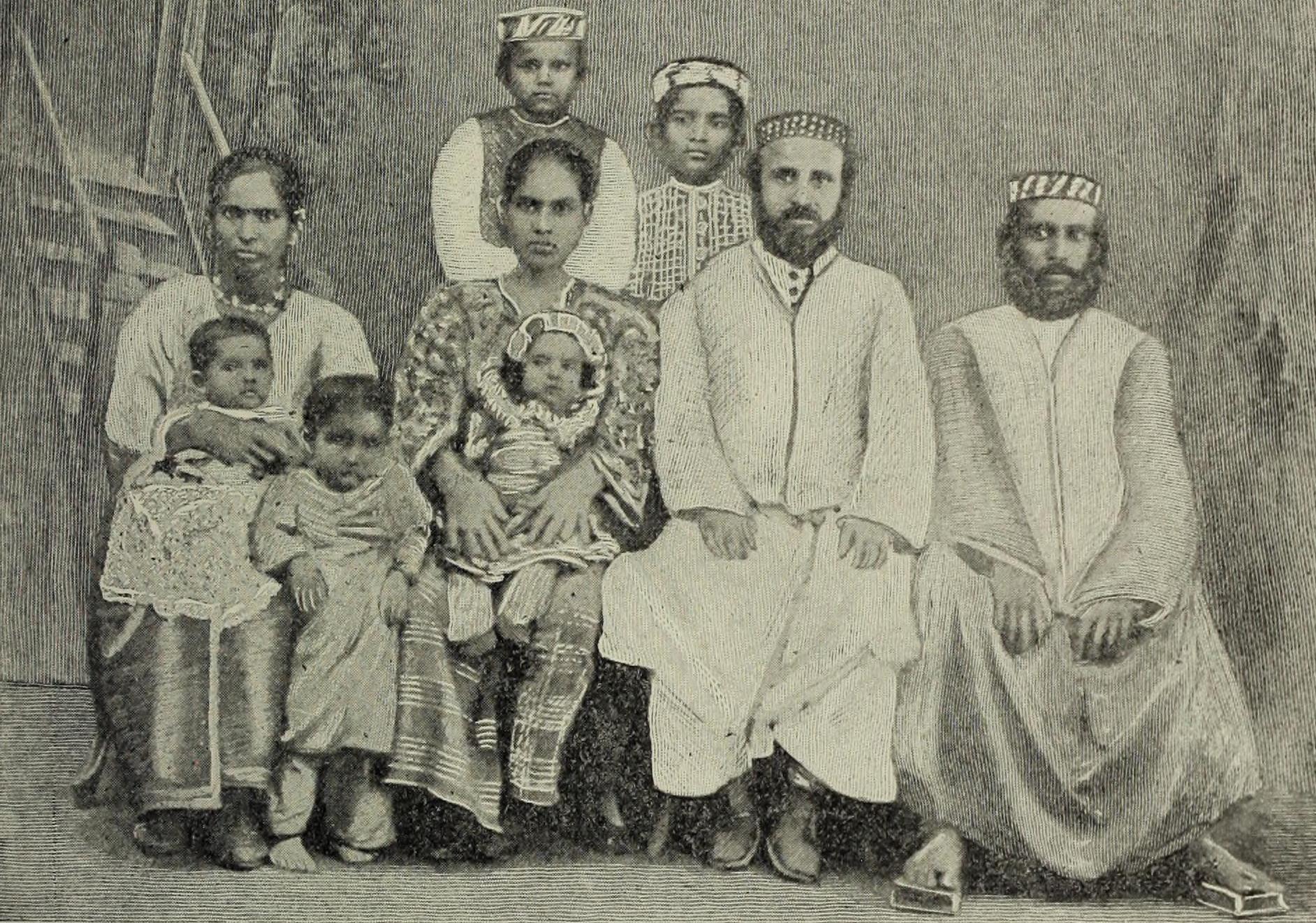
Cochin Jews
Cochin Jews (also known as Malabar Jews or Kochinim from Hebrew: יְהוּדֵֽי־קוֹצִֽ׳ין, romanized: Yehudey Kochin) are one of the oldest groups of Jews in India, with roots that are claimed to date back to the time of King Solomon. The Cochin Jews settled in the Kingdom of Cochin in South India, now part of the present-day state of Kerala. As early as the 12th century, mention is made of the Jews in southern India by Benjamin of Tudela.
Following their expulsion from Iberia in 1492 by the Alhambra Decree, a few families of Sephardi Jews eventually made their way to Cochin in the 16th century. They became known as Paradesi Jews (or Foreign Jews). The European Jews maintained some trade connections to Europe, and their language skills were useful. Although the Sephardim spoke Ladino (Spanish or Judeo-Spanish), in India they learned Judeo-Malayalam from the Malabar Jews. The two communities retained their ethnic and cultural distinctions. In the late 19th century, a few Arabic-speaking Jews, known as Baghdadis, also immigrated to southern India from the Near East.
After India gained its independence in 1947 and Israel was established as a nation, most of the Cochin Jews made Aliyah and emigrated from Kerala to Israel in the mid-1950s. In contrast, most of the Paradesi Jews (Sephardi in origin) preferred to migrate to Australia and other Commonwealth countries, similar to the choices made by Anglo-Indians.
Most of their synagogues still exist in Kerala, with a few being sold or adapted for other uses. Among the 8 synagogues that survived till the mid-20th century, only the Paradesi synagogue still has a regular congregation. Today it also attracts tourists as a historic site. The Kadavumbhagam Ernakulam Synagogue was restored in 2018, it houses a sefer torah with occasional services, managed by one of few remaining Cochin Jews of the ancient Malabar Jewish tradition. A few synagogues are in ruins and one was even demolished and a two-storeyed house was built in its place. The synagogue at Chendamangalam (Chennamangalam) was reconstructed in 2006 as Kerala Jews Life Style Museum. The synagogue at Paravur (Parur) has been reconstructed as Kerala Jews History Museum.
P. M. Jussay wrote that it was believed that the earliest Jews in India were sailors from King Solomon's time. It has been claimed that following the destruction of the First Temple in the Siege of Jerusalem (587 BCE), some Jewish exiles came to India. Only after the destruction of the Second Temple in 70 CE are records found that attest to numerous Jewish settlers arriving at Cranganore, an ancient port near Cochin. Cranganore, now transliterated as Kodungallur, but also known under other names, is a city of legendary importance to this community. Fernandes writes, it is "a substitute Jerusalem in India". Katz and Goldberg note the "symbolic intertwining" of the two cities.
Ophira Gamliel notes however that the first physical evidence of the presence of Jews in South India dates only to the granting of the Kollam copper plates. The copper plates are a trade deed dated to the year 849 C.E bestowed upon the Nestorian merchant magnate Maruvan Sapir Iso and the Saint Thomas Christian community by Ayyan Atikal, the ruler of the Kingdom of Venad. The copper plates include signatures in Kufic, Pahlavi, and Hebrew and serve as evidence of West Asian mercantilism in Kerala.
In 1768, a certain Tobias Boas of Amsterdam had posed eleven questions to Rabbi Yehezkel Rachbi of Cochin. The first of these questions addressed to the said Rabbi concerned the origins of the Jews of Cochin and the duration of their settlement in India. In Rabbi Yehezkel's response (Merzbacher's Library in Munich, MS. 4238), he wrote: "after the destruction of the Second Temple (may it soon be rebuilt and reestablished in our days!), in the year 3828 of anno mundi, i. e., 68 CE, about ten thousand men and women had come to the land of Malabar and were pleased to settle in four places; those places being Cranganore, Dschalor, Madai [and] Plota. Most were in Cranganore, which is also called Mago dera Patinas; it is also called Sengale."
Saint Thomas, an Aramaic-speaking Jew from the Galilee region of Israel and one of the disciples of Jesus, is believed to have come to Southern India in the 1st century, in search of the Jewish community there. It is possible that the Jews who became Christians at that time were absorbed by what became the Nasrani Community in Kerala.
Hub AI
Cochin Jews AI simulator
(@Cochin Jews_simulator)
Cochin Jews
Cochin Jews (also known as Malabar Jews or Kochinim from Hebrew: יְהוּדֵֽי־קוֹצִֽ׳ין, romanized: Yehudey Kochin) are one of the oldest groups of Jews in India, with roots that are claimed to date back to the time of King Solomon. The Cochin Jews settled in the Kingdom of Cochin in South India, now part of the present-day state of Kerala. As early as the 12th century, mention is made of the Jews in southern India by Benjamin of Tudela.
Following their expulsion from Iberia in 1492 by the Alhambra Decree, a few families of Sephardi Jews eventually made their way to Cochin in the 16th century. They became known as Paradesi Jews (or Foreign Jews). The European Jews maintained some trade connections to Europe, and their language skills were useful. Although the Sephardim spoke Ladino (Spanish or Judeo-Spanish), in India they learned Judeo-Malayalam from the Malabar Jews. The two communities retained their ethnic and cultural distinctions. In the late 19th century, a few Arabic-speaking Jews, known as Baghdadis, also immigrated to southern India from the Near East.
After India gained its independence in 1947 and Israel was established as a nation, most of the Cochin Jews made Aliyah and emigrated from Kerala to Israel in the mid-1950s. In contrast, most of the Paradesi Jews (Sephardi in origin) preferred to migrate to Australia and other Commonwealth countries, similar to the choices made by Anglo-Indians.
Most of their synagogues still exist in Kerala, with a few being sold or adapted for other uses. Among the 8 synagogues that survived till the mid-20th century, only the Paradesi synagogue still has a regular congregation. Today it also attracts tourists as a historic site. The Kadavumbhagam Ernakulam Synagogue was restored in 2018, it houses a sefer torah with occasional services, managed by one of few remaining Cochin Jews of the ancient Malabar Jewish tradition. A few synagogues are in ruins and one was even demolished and a two-storeyed house was built in its place. The synagogue at Chendamangalam (Chennamangalam) was reconstructed in 2006 as Kerala Jews Life Style Museum. The synagogue at Paravur (Parur) has been reconstructed as Kerala Jews History Museum.
P. M. Jussay wrote that it was believed that the earliest Jews in India were sailors from King Solomon's time. It has been claimed that following the destruction of the First Temple in the Siege of Jerusalem (587 BCE), some Jewish exiles came to India. Only after the destruction of the Second Temple in 70 CE are records found that attest to numerous Jewish settlers arriving at Cranganore, an ancient port near Cochin. Cranganore, now transliterated as Kodungallur, but also known under other names, is a city of legendary importance to this community. Fernandes writes, it is "a substitute Jerusalem in India". Katz and Goldberg note the "symbolic intertwining" of the two cities.
Ophira Gamliel notes however that the first physical evidence of the presence of Jews in South India dates only to the granting of the Kollam copper plates. The copper plates are a trade deed dated to the year 849 C.E bestowed upon the Nestorian merchant magnate Maruvan Sapir Iso and the Saint Thomas Christian community by Ayyan Atikal, the ruler of the Kingdom of Venad. The copper plates include signatures in Kufic, Pahlavi, and Hebrew and serve as evidence of West Asian mercantilism in Kerala.
In 1768, a certain Tobias Boas of Amsterdam had posed eleven questions to Rabbi Yehezkel Rachbi of Cochin. The first of these questions addressed to the said Rabbi concerned the origins of the Jews of Cochin and the duration of their settlement in India. In Rabbi Yehezkel's response (Merzbacher's Library in Munich, MS. 4238), he wrote: "after the destruction of the Second Temple (may it soon be rebuilt and reestablished in our days!), in the year 3828 of anno mundi, i. e., 68 CE, about ten thousand men and women had come to the land of Malabar and were pleased to settle in four places; those places being Cranganore, Dschalor, Madai [and] Plota. Most were in Cranganore, which is also called Mago dera Patinas; it is also called Sengale."
Saint Thomas, an Aramaic-speaking Jew from the Galilee region of Israel and one of the disciples of Jesus, is believed to have come to Southern India in the 1st century, in search of the Jewish community there. It is possible that the Jews who became Christians at that time were absorbed by what became the Nasrani Community in Kerala.