
Recent from talks
Convoy RS 3
Knowledge base stats:
Talk channels stats:
Members stats:
Convoy RS 3
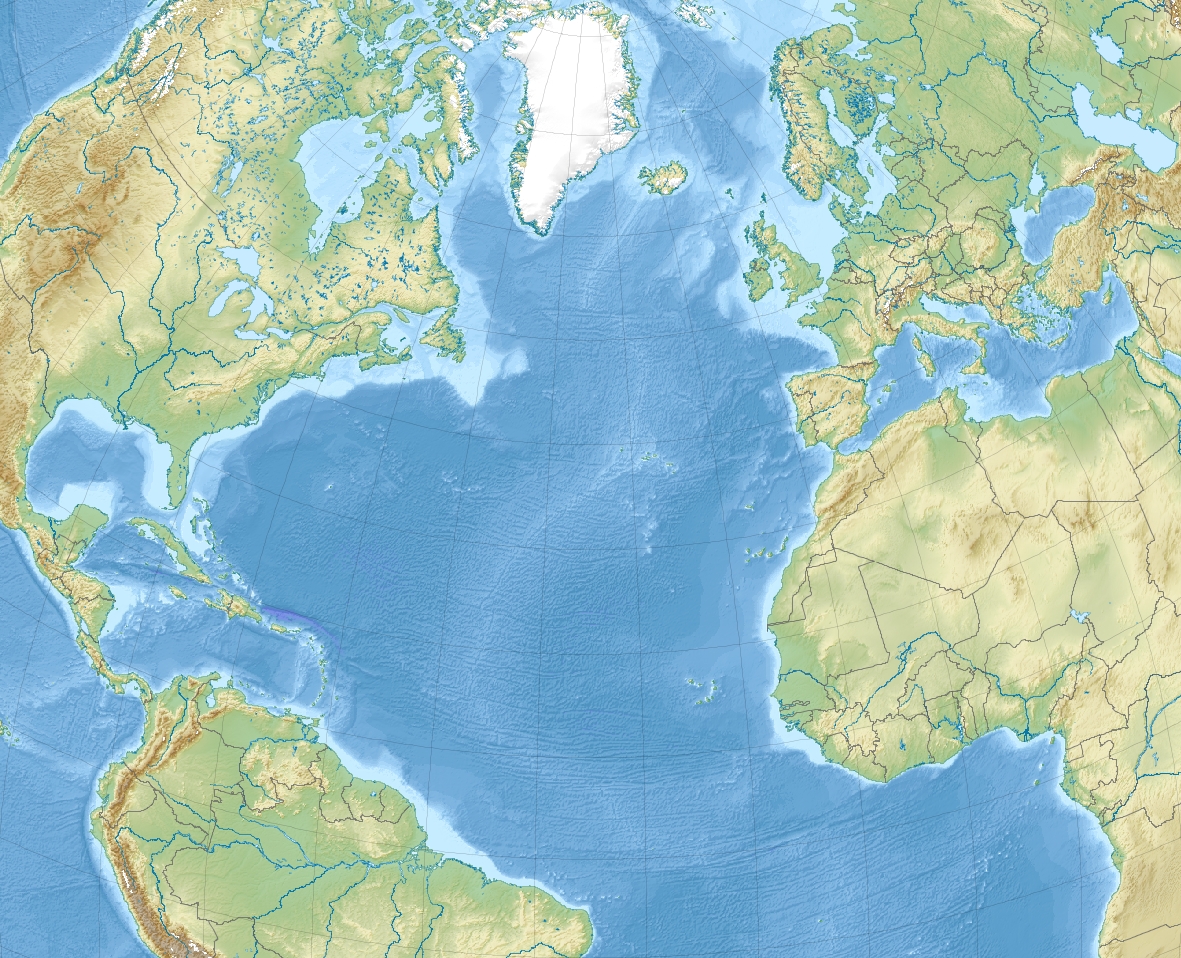
Convoy RS 3 was a South Atlantic convoy from 22 to 31 March 1943 between Gibraltar and Freetown in Sierra Leone. A convoy series that ran from 1943 to 1945. The convoy was part of the Battle of the Atlantic in the Second World War. The convoy lost its three biggest ships to U-boat attacks.
In March 1943 most of the 108 ships (627,000 GRT) sunk by U-boats were in convoy, that led to a crisis in Allied shipping. By April, more escort groups were available and shipping losses declined. Some U-boats were diverted from the Atlantic to West Africa.
Wolfpack Unverzagt (Unshrinking) and Wolfpack Wohlgemut (Cheerful) were on the way to form patrol lines off the Azores to attack a UGS convoy (United States to Gibraltar Slow) a series of slow convoys run from the United States to Gibraltar beginning with Operation Torch (8–16 November 1942). The convoy had been revealed by B-Dienst, a code-breaking department of the German Naval Intelligence Service (Marinenachrichtendienst [MND]).
Before the expected convoy was spotted, U-130 found Convoy UGS 6 of 45 ships, protected by the US destroyers Wainwright, Trippe, Champlin, Mayrant, Rowan, Rhind and Hobby. Champlin detected the U-boat and sank it. With the sea so calm, it was difficult for the U-boats to close on the convoy because the destroyers had centimetric radar but lacked High-frequency direction finding (huff-duff) to pinpoint U-boat wireless broadcasts. Late on 13 March, U-172 sank SS Benjamin Harrison (7,191 GRT) a straggler and Wolfpack Tümmler (Porpoise) joined the attack.
That day, attacks by U-513, U-167 and U-172 were defeated by the convoy escorts and the U-boats were forced to retire. On 14 September U-106, U-167 and U-513 were driven off and U-515 was damaged by depth charging. On 15 March U-159 and U-524 attacked the convoy submerged in daylight and U-524 sank Wyoming (8,062 GRT). On 16 March U-106 directed nine U-boats to the convoy but the escorts thwarted their attempts to attack the convoy. U-524, with U-172, made a simultaneous submerged attack in the evening. On the evening of 17 March U-167 torpedoed Molly Pitcher (7,200 GRT) which was sunk later by U-521.
On the next day, the convoy received air cover; U-524 maintained contact but was unable to attack and the convoy operation was terminated. U-524 was caught on the surface and sunk by the depth-charges of a B-24 bomber from the 2nd Antisubmarine Squadron on 22 March. Karl Dönitz the commander of U-boats (Befehlshaber der U-Boote, BdU) sent the remaining seven U-boats to form a cordon from the west to the south-east of the Canary Islands to attack another UGS convoy. No UGS convoys were found and BdU moved the U-boats into the area between the African coast and the islands, along with U-123 that was en route to Freetown in Sierra Leone with the name gruppe Seeräuber (Pirate) based on reports from B-Dienst. The US Navy had established Fleet Air Wing 15 at Naval Air Station Port Lyautey in Morocco, in January, with the patrol squadrons VPB-73 and VPB-92, each with twelve Catalina flying boats. In March the United States Army Air Forces (USAAF) 1st Antisubmarine Squadron and the 2nd Antisubmarine Squadron of the 2037th Antisubmarine Wing (Provisional) with twelve B-24 Liberator bombers each, joined the naval aircraft at Port Lyautey.
The RS convoy series ran from Gibraltar to Freetown in Sierra Leone during 1943, the reciprocal SR convoys from 1943 to 1944. When Convoy RS 3 left Gibraltar for Freetown, it consisted of the merchant ships SS Lagosian, SS Moanda, MV Silverbeech, the cable layer SS Lady Denison-Pender, whose captain, Harold Milne, was the convoy commodore, the tugs HMS Alligator, HMS Crocodile, the Seagoing Tugs ST Empire Ace and ST Empire Oberon. Lady Denison-Pender was returning after laying a cable between Gibraltar and Casablanca for communications at the Casablanca Conference. The convoy was escorted by the Bridgewater-class sloop HMS Bridgewater and the Flower-class corvette HMS Burdock.
U-513 made contact with the convoy on 28 March between the Canary Islands and Dakar. The Allied commanders did not know that the convoy was in danger and on the morning of 28 March, the convoy escorts Bridgewater and Burdock were diverted to reinforce the escort of a northbound convoy, leaving Convoy RS 3 to aircraft anti-submarine patrols.
Hub AI
Convoy RS 3 AI simulator
(@Convoy RS 3_simulator)
Convoy RS 3
Convoy RS 3 was a South Atlantic convoy from 22 to 31 March 1943 between Gibraltar and Freetown in Sierra Leone. A convoy series that ran from 1943 to 1945. The convoy was part of the Battle of the Atlantic in the Second World War. The convoy lost its three biggest ships to U-boat attacks.
In March 1943 most of the 108 ships (627,000 GRT) sunk by U-boats were in convoy, that led to a crisis in Allied shipping. By April, more escort groups were available and shipping losses declined. Some U-boats were diverted from the Atlantic to West Africa.
Wolfpack Unverzagt (Unshrinking) and Wolfpack Wohlgemut (Cheerful) were on the way to form patrol lines off the Azores to attack a UGS convoy (United States to Gibraltar Slow) a series of slow convoys run from the United States to Gibraltar beginning with Operation Torch (8–16 November 1942). The convoy had been revealed by B-Dienst, a code-breaking department of the German Naval Intelligence Service (Marinenachrichtendienst [MND]).
Before the expected convoy was spotted, U-130 found Convoy UGS 6 of 45 ships, protected by the US destroyers Wainwright, Trippe, Champlin, Mayrant, Rowan, Rhind and Hobby. Champlin detected the U-boat and sank it. With the sea so calm, it was difficult for the U-boats to close on the convoy because the destroyers had centimetric radar but lacked High-frequency direction finding (huff-duff) to pinpoint U-boat wireless broadcasts. Late on 13 March, U-172 sank SS Benjamin Harrison (7,191 GRT) a straggler and Wolfpack Tümmler (Porpoise) joined the attack.
That day, attacks by U-513, U-167 and U-172 were defeated by the convoy escorts and the U-boats were forced to retire. On 14 September U-106, U-167 and U-513 were driven off and U-515 was damaged by depth charging. On 15 March U-159 and U-524 attacked the convoy submerged in daylight and U-524 sank Wyoming (8,062 GRT). On 16 March U-106 directed nine U-boats to the convoy but the escorts thwarted their attempts to attack the convoy. U-524, with U-172, made a simultaneous submerged attack in the evening. On the evening of 17 March U-167 torpedoed Molly Pitcher (7,200 GRT) which was sunk later by U-521.
On the next day, the convoy received air cover; U-524 maintained contact but was unable to attack and the convoy operation was terminated. U-524 was caught on the surface and sunk by the depth-charges of a B-24 bomber from the 2nd Antisubmarine Squadron on 22 March. Karl Dönitz the commander of U-boats (Befehlshaber der U-Boote, BdU) sent the remaining seven U-boats to form a cordon from the west to the south-east of the Canary Islands to attack another UGS convoy. No UGS convoys were found and BdU moved the U-boats into the area between the African coast and the islands, along with U-123 that was en route to Freetown in Sierra Leone with the name gruppe Seeräuber (Pirate) based on reports from B-Dienst. The US Navy had established Fleet Air Wing 15 at Naval Air Station Port Lyautey in Morocco, in January, with the patrol squadrons VPB-73 and VPB-92, each with twelve Catalina flying boats. In March the United States Army Air Forces (USAAF) 1st Antisubmarine Squadron and the 2nd Antisubmarine Squadron of the 2037th Antisubmarine Wing (Provisional) with twelve B-24 Liberator bombers each, joined the naval aircraft at Port Lyautey.
The RS convoy series ran from Gibraltar to Freetown in Sierra Leone during 1943, the reciprocal SR convoys from 1943 to 1944. When Convoy RS 3 left Gibraltar for Freetown, it consisted of the merchant ships SS Lagosian, SS Moanda, MV Silverbeech, the cable layer SS Lady Denison-Pender, whose captain, Harold Milne, was the convoy commodore, the tugs HMS Alligator, HMS Crocodile, the Seagoing Tugs ST Empire Ace and ST Empire Oberon. Lady Denison-Pender was returning after laying a cable between Gibraltar and Casablanca for communications at the Casablanca Conference. The convoy was escorted by the Bridgewater-class sloop HMS Bridgewater and the Flower-class corvette HMS Burdock.
U-513 made contact with the convoy on 28 March between the Canary Islands and Dakar. The Allied commanders did not know that the convoy was in danger and on the morning of 28 March, the convoy escorts Bridgewater and Burdock were diverted to reinforce the escort of a northbound convoy, leaving Convoy RS 3 to aircraft anti-submarine patrols.
Recent media