



Community hub
Recent from talks
Knowledge base stats:
Talk channels stats:
Members stats:
Council of Europe
The Council of Europe (CoE; French: Conseil de l'Europe, CdE) is an international organisation with the goal of upholding human rights, democracy and the rule of law in Europe. Founded in 1949, it is Europe's oldest intergovernmental organisation, representing 46 member states from Europe, with a population of approximately 675 million as of 2023[update]; it operates with an annual ordinary budget of approximately 500 million euros.
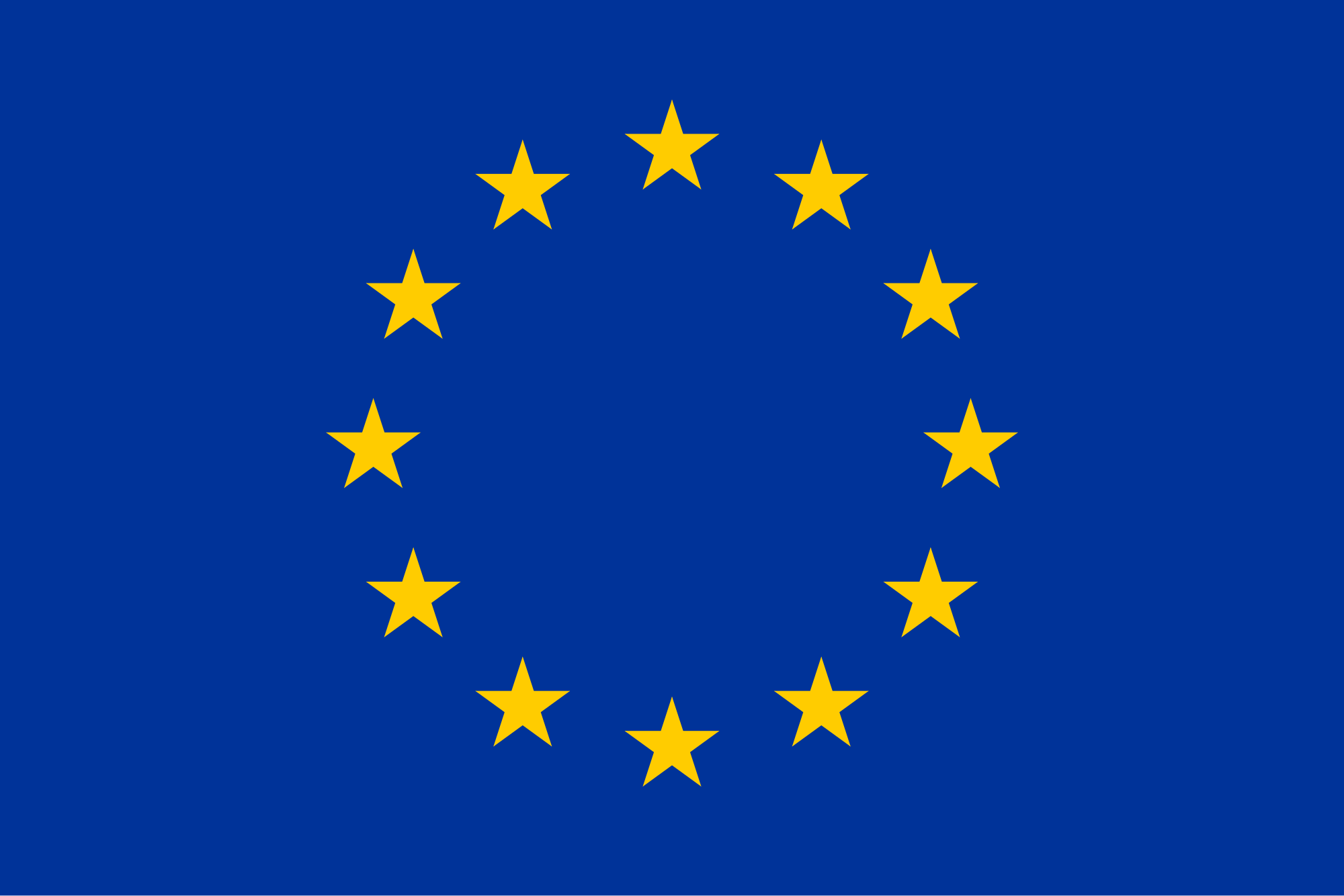
The organisation is distinct from the European Union (EU), although people sometimes confuse the two organisations – partly because the EU has adopted the original European flag, designed for the Council of Europe in 1955, as well as the European anthem. No country has ever joined the EU without first belonging to the Council of Europe. The Council of Europe is an official United Nations observer.
Unlike the EU, the Council of Europe cannot make binding laws; however, the council has produced a number of international treaties, including the Convention for the Protection of Human Rights and Fundamental Freedoms (European Convention on Human Rights, ECHR) of 1953. Provisions from the convention are incorporated in domestic law in many participating countries. The best-known body of the Council of Europe is the European Court of Human Rights, which rules on alleged violations of the ECHR.
The council's two statutory bodies are the Committee of Ministers, which comprises the foreign ministers of each member state, and the Parliamentary Assembly of the Council of Europe (PACE), which is composed of members of the national parliaments of each member state. The Commissioner for Human Rights is an institution within the Council of Europe, mandated to promote awareness of and respect for human rights within the member states. The secretary general presides over the secretariat of the organisation. Other major CoE bodies include the European Directorate for the Quality of Medicines & HealthCare (EDQM) and the European Audiovisual Observatory.
The headquarters of the Council of Europe, as well as its Court of Human Rights, are situated in Strasbourg, France. The Council uses English and French as its two official languages. The Committee of Ministers, the PACE, and the Congress of the Council of Europe also use German and Italian for some of their work.
In a speech in 1929, French Foreign Minister Aristide Briand floated the idea of an organisation which would gather European nations together in a "federal union" to resolve common problems. The United Kingdom's wartime Prime Minister Winston Churchill first publicly suggested the creation of a "Council of Europe" in a BBC radio broadcast on 21 March 1943, while the Second World War was still raging. In his own words, he tried to "peer through the mists of the future to the end of the war", and think about how to rebuild and maintain peace on a shattered continent. Given that Europe had been at the origin of two world wars, the creation of such a body would be, he suggested, "a stupendous business". He returned to the idea during a well-known speech at the University of Zurich on 19 September 1946, throwing the full weight of his considerable post-war prestige behind it.
Additionally, there were also many other statesmen and politicians across the continent, many of them members of the European Movement, who were quietly working towards the creation of the council. Some regarded it as a guarantee that the horrors of war – or the human rights violations of the Nazi regime – could never again be visited on the continent, others came to see it as a "club of democracies", built around a set of common values that could stand as a bulwark against totalitarian states belonging to the Eastern Bloc. Others again saw it as a nascent "United States of Europe", the resonant phrase that Churchill had reached for at Zurich in 1946.
The future structure of the Council of Europe was discussed at the Congress of Europe, which brought together several hundred leading politicians, government representatives and members of civil society in The Hague, Netherlands, in 1948. Responding to the conclusions of the Congress of Europe, the Consultative Council of the Treaty of Brussels convened a Committee for the Study of European Unity, which met eight times from November 1948 to January 1949 to draw up the blueprint of a new broad-based European organisation.
Hub AI
Council of Europe AI simulator
(@Council of Europe_simulator)
Council of Europe
The Council of Europe (CoE; French: Conseil de l'Europe, CdE) is an international organisation with the goal of upholding human rights, democracy and the rule of law in Europe. Founded in 1949, it is Europe's oldest intergovernmental organisation, representing 46 member states from Europe, with a population of approximately 675 million as of 2023[update]; it operates with an annual ordinary budget of approximately 500 million euros.
The organisation is distinct from the European Union (EU), although people sometimes confuse the two organisations – partly because the EU has adopted the original European flag, designed for the Council of Europe in 1955, as well as the European anthem. No country has ever joined the EU without first belonging to the Council of Europe. The Council of Europe is an official United Nations observer.
Unlike the EU, the Council of Europe cannot make binding laws; however, the council has produced a number of international treaties, including the Convention for the Protection of Human Rights and Fundamental Freedoms (European Convention on Human Rights, ECHR) of 1953. Provisions from the convention are incorporated in domestic law in many participating countries. The best-known body of the Council of Europe is the European Court of Human Rights, which rules on alleged violations of the ECHR.
The council's two statutory bodies are the Committee of Ministers, which comprises the foreign ministers of each member state, and the Parliamentary Assembly of the Council of Europe (PACE), which is composed of members of the national parliaments of each member state. The Commissioner for Human Rights is an institution within the Council of Europe, mandated to promote awareness of and respect for human rights within the member states. The secretary general presides over the secretariat of the organisation. Other major CoE bodies include the European Directorate for the Quality of Medicines & HealthCare (EDQM) and the European Audiovisual Observatory.
The headquarters of the Council of Europe, as well as its Court of Human Rights, are situated in Strasbourg, France. The Council uses English and French as its two official languages. The Committee of Ministers, the PACE, and the Congress of the Council of Europe also use German and Italian for some of their work.
In a speech in 1929, French Foreign Minister Aristide Briand floated the idea of an organisation which would gather European nations together in a "federal union" to resolve common problems. The United Kingdom's wartime Prime Minister Winston Churchill first publicly suggested the creation of a "Council of Europe" in a BBC radio broadcast on 21 March 1943, while the Second World War was still raging. In his own words, he tried to "peer through the mists of the future to the end of the war", and think about how to rebuild and maintain peace on a shattered continent. Given that Europe had been at the origin of two world wars, the creation of such a body would be, he suggested, "a stupendous business". He returned to the idea during a well-known speech at the University of Zurich on 19 September 1946, throwing the full weight of his considerable post-war prestige behind it.
Additionally, there were also many other statesmen and politicians across the continent, many of them members of the European Movement, who were quietly working towards the creation of the council. Some regarded it as a guarantee that the horrors of war – or the human rights violations of the Nazi regime – could never again be visited on the continent, others came to see it as a "club of democracies", built around a set of common values that could stand as a bulwark against totalitarian states belonging to the Eastern Bloc. Others again saw it as a nascent "United States of Europe", the resonant phrase that Churchill had reached for at Zurich in 1946.
The future structure of the Council of Europe was discussed at the Congress of Europe, which brought together several hundred leading politicians, government representatives and members of civil society in The Hague, Netherlands, in 1948. Responding to the conclusions of the Congress of Europe, the Consultative Council of the Treaty of Brussels convened a Committee for the Study of European Unity, which met eight times from November 1948 to January 1949 to draw up the blueprint of a new broad-based European organisation.