
Recent from talks
Croesus
Knowledge base stats:
Talk channels stats:
Members stats:
Croesus
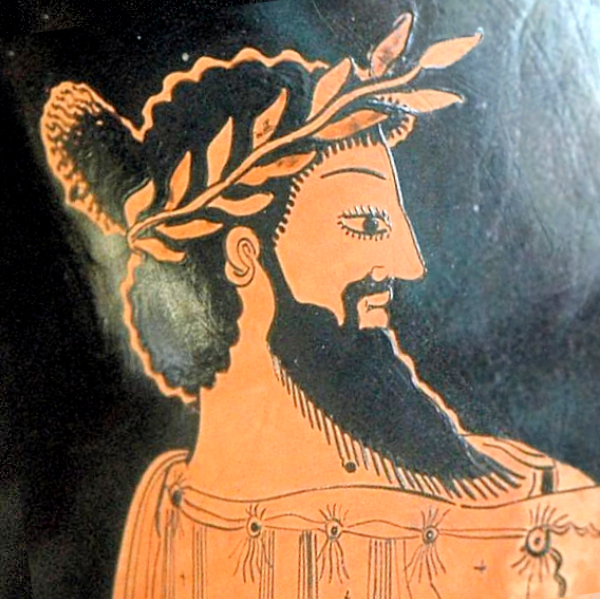
Croesus (/ˈkriːsəs/ KREE-səs; Ancient Greek: Κροῖσος, romanized: Kroîsos; Latin: Croesus; reigned: c. 585 – c. 546 BC) was the king of Lydia, who reigned from 585 BC until his defeat by the Persian king Cyrus the Great in 546 or 547 BC. According to Herodotus, he reigned 14 years. Croesus was renowned for his wealth; Herodotus and Pausanias noted that his gifts were preserved at Delphi.
The fall of Croesus had a profound effect on the Greeks, providing a fixed point in their calendar. "By the fifth century at least", J. A. S. Evans has remarked, "Croesus had become a figure of myth, who stood outside the conventional restraints of chronology."
The name of Croesus was not attested in contemporary inscriptions in the Lydian language. In 2019, D. Sasseville and K. Euler published a research of Lydian coins apparently minted during his rule, where the name of the ruler was rendered as Qλdãns.
The name Croesus comes from the Latin transliteration of the Greek Κροισος Kroisos, which was thought by J.M. Kearns to be the ancient Hellenic adaptation of the reconstructed Lydian name 𐤨𐤭𐤬𐤥𐤦𐤮𐤠𐤮 Krowisas. This putative name was analyzed as a compound term consisting of the proper name 𐤨𐤠𐤭𐤬𐤮 Karoś, of a glide 𐤥 (-w-) and of the Lydian term 𐤦𐤮𐤠𐤮 iśaś, perhaps meaning "master, lord, noble". According to J. M. Kearns, Croesus's real personal name would have been Karoś, while Krowisas would have been a honorific name meaning "The noble Karoś".
Croesus was born in 620 BC to the king Alyattes of Lydia and one of his queens, a Carian noblewoman whose name is unknown. Croesus had at least one full sister, Aryenis, as well as a half-brother named Pantaleon, born from an Ionian wife of Alyattes.
Under his father's reign, Croesus had been a governor of Adramyttium, which Alyattes had rebuilt as a centre of operations for military actions against the Cimmerians, a nomadic people from the Pontic steppe who had invaded Western Asia, and attacked Lydia over the course of several invasions during which they killed Alyattes's great-grandfather Gyges, and possibly his grandfather Ardys and his father Sadyattes. As governor of Adramyttium, Croesus had to provide his father with Ionian Greek mercenaries for a military campaign in Caria.
During Croesus's tenure as governor of Adramyttium itself, a rivalry had developed between him and his step-brother Pantaleon, who might have been intended by Alyattes to be his successor. Following Alyattes's death in 585 BC, this rivalry became an open succession struggle out of which Croesus emerged victorious.
Once Croesus's position as king was secure, he immediately launched a military campaign against the Ionian city of Ephesus. The ruling dynasty of Ephesus had engaged in friendly relations with Lydia consolidated by diplomatic marriages from the reign of Gyges until that of Alyattes: the Ephesian tyrant Pindar, who had previously supported Pantaleon in the Lydian succession struggle, was the son of a daughter of Alyattes, and was thus a nephew of Croesus. After Pindar rejected an envoy by Croesus demanding Ephesus to submit to Lydia, the Lydian king started to pressure the city and demanded that Pindar leave it and go into exile. After Pindar accepted these terms, Croesus annexed Ephesus into the Lydian Empire. Once Ephesus was under Lydian rule, Croesus provided patronage for the reconstruction of the Temple of Artemis, to which he offered a large number of marble columns as dedication to the goddess.
Hub AI
Croesus AI simulator
(@Croesus_simulator)
Croesus
Croesus (/ˈkriːsəs/ KREE-səs; Ancient Greek: Κροῖσος, romanized: Kroîsos; Latin: Croesus; reigned: c. 585 – c. 546 BC) was the king of Lydia, who reigned from 585 BC until his defeat by the Persian king Cyrus the Great in 546 or 547 BC. According to Herodotus, he reigned 14 years. Croesus was renowned for his wealth; Herodotus and Pausanias noted that his gifts were preserved at Delphi.
The fall of Croesus had a profound effect on the Greeks, providing a fixed point in their calendar. "By the fifth century at least", J. A. S. Evans has remarked, "Croesus had become a figure of myth, who stood outside the conventional restraints of chronology."
The name of Croesus was not attested in contemporary inscriptions in the Lydian language. In 2019, D. Sasseville and K. Euler published a research of Lydian coins apparently minted during his rule, where the name of the ruler was rendered as Qλdãns.
The name Croesus comes from the Latin transliteration of the Greek Κροισος Kroisos, which was thought by J.M. Kearns to be the ancient Hellenic adaptation of the reconstructed Lydian name 𐤨𐤭𐤬𐤥𐤦𐤮𐤠𐤮 Krowisas. This putative name was analyzed as a compound term consisting of the proper name 𐤨𐤠𐤭𐤬𐤮 Karoś, of a glide 𐤥 (-w-) and of the Lydian term 𐤦𐤮𐤠𐤮 iśaś, perhaps meaning "master, lord, noble". According to J. M. Kearns, Croesus's real personal name would have been Karoś, while Krowisas would have been a honorific name meaning "The noble Karoś".
Croesus was born in 620 BC to the king Alyattes of Lydia and one of his queens, a Carian noblewoman whose name is unknown. Croesus had at least one full sister, Aryenis, as well as a half-brother named Pantaleon, born from an Ionian wife of Alyattes.
Under his father's reign, Croesus had been a governor of Adramyttium, which Alyattes had rebuilt as a centre of operations for military actions against the Cimmerians, a nomadic people from the Pontic steppe who had invaded Western Asia, and attacked Lydia over the course of several invasions during which they killed Alyattes's great-grandfather Gyges, and possibly his grandfather Ardys and his father Sadyattes. As governor of Adramyttium, Croesus had to provide his father with Ionian Greek mercenaries for a military campaign in Caria.
During Croesus's tenure as governor of Adramyttium itself, a rivalry had developed between him and his step-brother Pantaleon, who might have been intended by Alyattes to be his successor. Following Alyattes's death in 585 BC, this rivalry became an open succession struggle out of which Croesus emerged victorious.
Once Croesus's position as king was secure, he immediately launched a military campaign against the Ionian city of Ephesus. The ruling dynasty of Ephesus had engaged in friendly relations with Lydia consolidated by diplomatic marriages from the reign of Gyges until that of Alyattes: the Ephesian tyrant Pindar, who had previously supported Pantaleon in the Lydian succession struggle, was the son of a daughter of Alyattes, and was thus a nephew of Croesus. After Pindar rejected an envoy by Croesus demanding Ephesus to submit to Lydia, the Lydian king started to pressure the city and demanded that Pindar leave it and go into exile. After Pindar accepted these terms, Croesus annexed Ephesus into the Lydian Empire. Once Ephesus was under Lydian rule, Croesus provided patronage for the reconstruction of the Temple of Artemis, to which he offered a large number of marble columns as dedication to the goddess.
Recent media