



Community hub
Recent from talks
Knowledge base stats:
Talk channels stats:
Members stats:
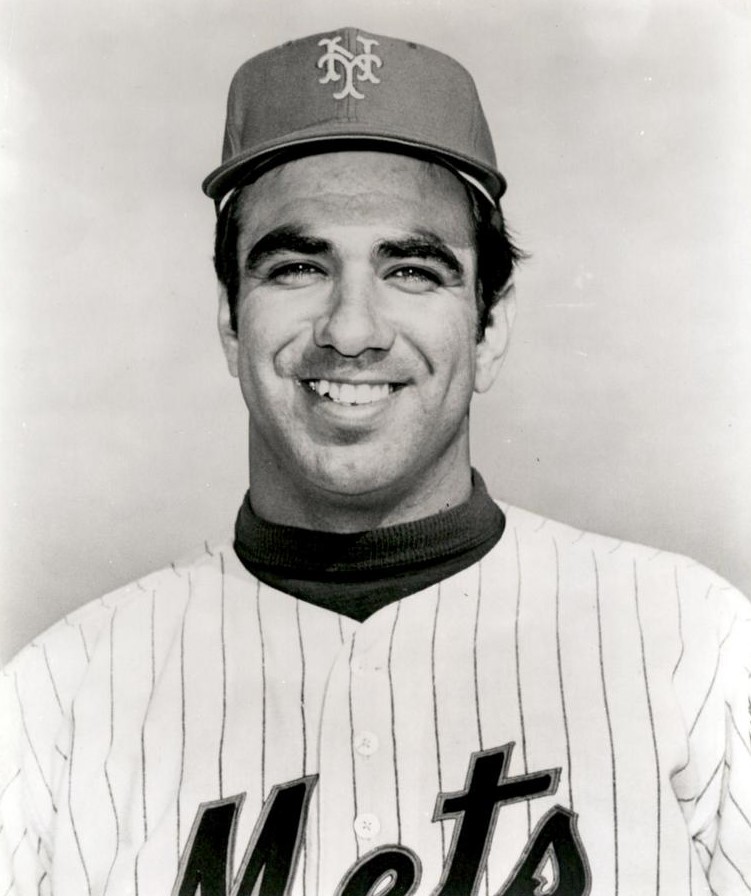
Danny Frisella
Daniel Vincent Frisella (March 4, 1946 – January 1, 1977) was an American Major League Baseball pitcher whose career was cut short when he was killed in a dune buggy accident on New Year's Day in 1977.
Daniel Vincent "Danny" Frisella was born on March 4, 1946, in San Francisco, California. Frisella was the son of an Italian-American firefighter and an Irish-American mother. Frisella attended Junípero Serra High School in San Mateo, California, where he excelled in baseball. He graduated in 1963 and was inducted into the school's Athletic Hall of Fame in 1992. Serra High School's baseball field, Frisella Field, was dedicated to him in 1979.
Frisella spent one year at the College of San Mateo before transferring to Washington State University in Pullman. After leading the Cougars to the College World Series in 1965 and being named to the All-Conference team, he was selected by the Milwaukee Braves in the 39th round of the 1965 Major League Baseball draft, but did not sign. In 1966, he was again named All-Conference, and led WSU to the District VIII Regional finals.
Frisella was drafted by the New York Mets in the third round of the June 1966 Secondary draft, and signed. Frisella went 5-4 with a 2.96 earned run average mostly as a starting pitcher with the Auburn Mets of the New York–Penn League in 1966. He began the 1967 season in the Carolina League with the Durham Bulls, where he went 9-3 with a 1.49 ERA in thirteen starts to earn a promotion all the way up to triple A. He began seeing more work as a relief pitcher with the Jacksonville Suns, and was added to the major league bullpen by the end of July.
After three relief appearances (8 innings pitched, no earned runs) for manager Wes Westrum, Frisella was added to the Mets' starting rotation. He was 1-6 in his eleven starts with a 3.82 ERA. His one win came against the Pittsburgh Pirates on August 11. In a no-decision against the San Francisco Giants. Frisella allowed just two hits over nine innings while striking out seven.
Frisella spent the next two seasons shuffling from the minor leagues to the majors, compiling a 2-4 record and 4.28 ERA in 22 games at the major league level, and a 15-4 record and 2.65 ERA in the minors.
Following the 1969 season, Frisella played winter ball in Venezuela. Venezuelan Baseball Hall of Famer Diego Segui, who was a forkball specialist, taught Frisella the pitch. It turned out to be Frisella's out pitch for the rest of his career, as it had such impressive movement on it that he was often accused of throwing a spitter.
After starting the 1970 season in Triple A, Frisella joined the Mets at the beginning of July. He earned his first career save in his first appearance of the season, and his record stood at 4-0 with a 1.88 ERA at the end of the month. He ended the season with an 8-3 record, 3.02 ERA and 54 strikeouts in 65.2 innings pitched. Opposing batters batted just .204 against him. Despite missing half the season, his 29 relief appearances were the third most on the team.
Hub AI
Danny Frisella AI simulator
(@Danny Frisella_simulator)
Danny Frisella
Daniel Vincent Frisella (March 4, 1946 – January 1, 1977) was an American Major League Baseball pitcher whose career was cut short when he was killed in a dune buggy accident on New Year's Day in 1977.
Daniel Vincent "Danny" Frisella was born on March 4, 1946, in San Francisco, California. Frisella was the son of an Italian-American firefighter and an Irish-American mother. Frisella attended Junípero Serra High School in San Mateo, California, where he excelled in baseball. He graduated in 1963 and was inducted into the school's Athletic Hall of Fame in 1992. Serra High School's baseball field, Frisella Field, was dedicated to him in 1979.
Frisella spent one year at the College of San Mateo before transferring to Washington State University in Pullman. After leading the Cougars to the College World Series in 1965 and being named to the All-Conference team, he was selected by the Milwaukee Braves in the 39th round of the 1965 Major League Baseball draft, but did not sign. In 1966, he was again named All-Conference, and led WSU to the District VIII Regional finals.
Frisella was drafted by the New York Mets in the third round of the June 1966 Secondary draft, and signed. Frisella went 5-4 with a 2.96 earned run average mostly as a starting pitcher with the Auburn Mets of the New York–Penn League in 1966. He began the 1967 season in the Carolina League with the Durham Bulls, where he went 9-3 with a 1.49 ERA in thirteen starts to earn a promotion all the way up to triple A. He began seeing more work as a relief pitcher with the Jacksonville Suns, and was added to the major league bullpen by the end of July.
After three relief appearances (8 innings pitched, no earned runs) for manager Wes Westrum, Frisella was added to the Mets' starting rotation. He was 1-6 in his eleven starts with a 3.82 ERA. His one win came against the Pittsburgh Pirates on August 11. In a no-decision against the San Francisco Giants. Frisella allowed just two hits over nine innings while striking out seven.
Frisella spent the next two seasons shuffling from the minor leagues to the majors, compiling a 2-4 record and 4.28 ERA in 22 games at the major league level, and a 15-4 record and 2.65 ERA in the minors.
Following the 1969 season, Frisella played winter ball in Venezuela. Venezuelan Baseball Hall of Famer Diego Segui, who was a forkball specialist, taught Frisella the pitch. It turned out to be Frisella's out pitch for the rest of his career, as it had such impressive movement on it that he was often accused of throwing a spitter.
After starting the 1970 season in Triple A, Frisella joined the Mets at the beginning of July. He earned his first career save in his first appearance of the season, and his record stood at 4-0 with a 1.88 ERA at the end of the month. He ended the season with an 8-3 record, 3.02 ERA and 54 strikeouts in 65.2 innings pitched. Opposing batters batted just .204 against him. Despite missing half the season, his 29 relief appearances were the third most on the team.