
Recent from talks
Dorival Caymmi
Knowledge base stats:
Talk channels stats:
Members stats:
Dorival Caymmi
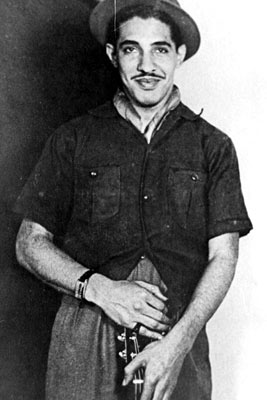
Dorival Caymmi (Brazilian Portuguese: [doɾiˈvaw kaˈĩmi]; April 30, 1914 – August 16, 2008) was a Brazilian singer, songwriter, actor, and painter active for more than 70 years, beginning in 1933. He contributed to the birth of Brazil's bossa nova movement, and several of his samba pieces, such as "Samba da Minha Terra", "Doralice" and "Saudade da Bahia", have become staples of música popular brasileira (MPB). Equally notable are his ballads celebrating the fishermen and women of Bahia, including "Promessa de Pescador", "O Que É Que a Baiana Tem?", and "Milagre". Caymmi composed about 100 songs in his lifetime, and many of his works are now considered to be Brazilian classics. Both Brazilian and non-Brazilian musicians have covered his songs.
Ben Ratliff of The New York Times wrote that Caymmi was "perhaps second only to Antônio Carlos Jobim in 'establishing a songbook of [the 20th] century's Brazilian identity.'" Throughout his career, his music about the people and culture of Bahia influenced Brazil's image in the eyes of both Brazilians and foreigners. Caymmi was married to Brazilian singer Stella Maris for 68 years, and the couple's children, Dori, Danilo, and Nana, are also prominent musicians. Each debuted professionally by accompanying Caymmi onstage and in recordings. In 2014, Caymmi's granddaughter Alice also began a musical career.
Caymmi was born in Salvador, Bahia, to Durval Henrique Caymmi, the great-grandson of an Italian immigrant, and Aurelina Soares Caymmi, a native Bahian. He had two younger sisters, Dinahir and Dinah, and a younger brother, Deraldo. His father, a civil servant, often played the piano, guitar, and mandolin at home, and his mother, a housewife, sang regularly. He participated in his church's choir for much of his childhood. At age 13, he left school to work as a journalist at Bahian newspaper O Imparcial. When O Imparcial went out of business two years later, he took up work as a street vendor.
Although he never formally studied music, Caymmi taught himself to play guitar in the late 1920s and began to compose, sing, and play his own songs on Bahian radio programs around 1930. He first achieved widespread recognition in 1933, when he composed the song "O Que É Que a Baiana Tem?" ("What Is It About Bahian Women?") for singer Carmen Miranda. In 1936, at age 22, he won a songwriting contest at Salvador's annual Carnaval celebration. His prize was a pink satin lampshade. Despite his early musical success, he moved to Rio de Janeiro in 1938 with intentions to pursue a law degree and to return to working as a journalist. While employed there by the newspaper Diários Associados, he spent his spare time composing and singing songs on the radio show Dragão da Rua Larga. His popularity began to grow with the show's audience.
I have written 400 songs, and Caymmi 70. But Caymmi has 70 perfect songs, and I do not.
Many of Caymmi's lyrics pay homage to the lifestyle, beaches, fishermen, and women of his native Bahia. He drew much of his inspiration from music indigenous to northeastern Brazil, especially Afro-Brazilian music and samba. He recorded for more than five decades and released about 20 albums, sometimes singing and playing guitar as a soloist and at other times accompanied by bands and orchestras. Although active for the better part of the 20th century, Caymmi wrote only about 100 songs. Despite having a relatively small body of work, Caymmi held a reputation for composing songs of exceptional quality. He occasionally collaborated with Jobim, who called him a "universal genius" and Brazil's greatest composer. Many contemporary Brazilian artists, including Caetano Veloso, Gilberto Gil and Beth Carvalho cite Caymmi as a significant influence on their music.
"O Que É Que a Baiana Tem?" gained even more fame in Brazil when Miranda performed it in the 1939 film Banana da Terra, and it was this song that garnered her international attention and helped launch her career. After this success, Caymmi began to focus more on making music, and he wrote songs that appeared in other Brazilian films. In late 1939, he signed with Odeon Records and recorded his first three singles, "Rainha do Mar/Promessa de Pescador" ("Queen of the Sea/Promise of the Fisherman"), "Roda Pião" ("Spinning Wheel"), and "O Que É Que a Baiana Tem?/A Preta do Acarajé" ("What Is It About Bahian Women?/The Black Beauty Who Sells Acarajé"). He came to more attention in the early 1940s when he performed as a regular on the Brazilian radio network Rádio Nacional. He recorded "Samba da Minha Terra" ("Samba of My Homeland") in 1940 and "A Jangada Voltou Só" ("The Raft Returned Alone") in 1941. Also in 1941, he released "Você Já Foi à Bahia?" ("Have You Been to Bahia?").
In 1944, he performed his own "Acontece Que Eu Sou Baiano" ("It Just So Happens That I'm Bahian") in the movie Abacaxi Azul (Blue Pineapple). In the late 1940s, he was a member of the samba-canção movement largely founded by his sometime creative rival, composer Ary Barroso. Other prominent Brazilian musicians of the day covered several of his songs, including Dick Farney, who famously recorded Caymmi's "Marina" (1944) in 1947. In 1957 Caymmi wrote "Suíte do Pescador", which appeared in the film The Sandpit Generals.[citation needed]
Hub AI
Dorival Caymmi AI simulator
(@Dorival Caymmi_simulator)
Dorival Caymmi
Dorival Caymmi (Brazilian Portuguese: [doɾiˈvaw kaˈĩmi]; April 30, 1914 – August 16, 2008) was a Brazilian singer, songwriter, actor, and painter active for more than 70 years, beginning in 1933. He contributed to the birth of Brazil's bossa nova movement, and several of his samba pieces, such as "Samba da Minha Terra", "Doralice" and "Saudade da Bahia", have become staples of música popular brasileira (MPB). Equally notable are his ballads celebrating the fishermen and women of Bahia, including "Promessa de Pescador", "O Que É Que a Baiana Tem?", and "Milagre". Caymmi composed about 100 songs in his lifetime, and many of his works are now considered to be Brazilian classics. Both Brazilian and non-Brazilian musicians have covered his songs.
Ben Ratliff of The New York Times wrote that Caymmi was "perhaps second only to Antônio Carlos Jobim in 'establishing a songbook of [the 20th] century's Brazilian identity.'" Throughout his career, his music about the people and culture of Bahia influenced Brazil's image in the eyes of both Brazilians and foreigners. Caymmi was married to Brazilian singer Stella Maris for 68 years, and the couple's children, Dori, Danilo, and Nana, are also prominent musicians. Each debuted professionally by accompanying Caymmi onstage and in recordings. In 2014, Caymmi's granddaughter Alice also began a musical career.
Caymmi was born in Salvador, Bahia, to Durval Henrique Caymmi, the great-grandson of an Italian immigrant, and Aurelina Soares Caymmi, a native Bahian. He had two younger sisters, Dinahir and Dinah, and a younger brother, Deraldo. His father, a civil servant, often played the piano, guitar, and mandolin at home, and his mother, a housewife, sang regularly. He participated in his church's choir for much of his childhood. At age 13, he left school to work as a journalist at Bahian newspaper O Imparcial. When O Imparcial went out of business two years later, he took up work as a street vendor.
Although he never formally studied music, Caymmi taught himself to play guitar in the late 1920s and began to compose, sing, and play his own songs on Bahian radio programs around 1930. He first achieved widespread recognition in 1933, when he composed the song "O Que É Que a Baiana Tem?" ("What Is It About Bahian Women?") for singer Carmen Miranda. In 1936, at age 22, he won a songwriting contest at Salvador's annual Carnaval celebration. His prize was a pink satin lampshade. Despite his early musical success, he moved to Rio de Janeiro in 1938 with intentions to pursue a law degree and to return to working as a journalist. While employed there by the newspaper Diários Associados, he spent his spare time composing and singing songs on the radio show Dragão da Rua Larga. His popularity began to grow with the show's audience.
I have written 400 songs, and Caymmi 70. But Caymmi has 70 perfect songs, and I do not.
Many of Caymmi's lyrics pay homage to the lifestyle, beaches, fishermen, and women of his native Bahia. He drew much of his inspiration from music indigenous to northeastern Brazil, especially Afro-Brazilian music and samba. He recorded for more than five decades and released about 20 albums, sometimes singing and playing guitar as a soloist and at other times accompanied by bands and orchestras. Although active for the better part of the 20th century, Caymmi wrote only about 100 songs. Despite having a relatively small body of work, Caymmi held a reputation for composing songs of exceptional quality. He occasionally collaborated with Jobim, who called him a "universal genius" and Brazil's greatest composer. Many contemporary Brazilian artists, including Caetano Veloso, Gilberto Gil and Beth Carvalho cite Caymmi as a significant influence on their music.
"O Que É Que a Baiana Tem?" gained even more fame in Brazil when Miranda performed it in the 1939 film Banana da Terra, and it was this song that garnered her international attention and helped launch her career. After this success, Caymmi began to focus more on making music, and he wrote songs that appeared in other Brazilian films. In late 1939, he signed with Odeon Records and recorded his first three singles, "Rainha do Mar/Promessa de Pescador" ("Queen of the Sea/Promise of the Fisherman"), "Roda Pião" ("Spinning Wheel"), and "O Que É Que a Baiana Tem?/A Preta do Acarajé" ("What Is It About Bahian Women?/The Black Beauty Who Sells Acarajé"). He came to more attention in the early 1940s when he performed as a regular on the Brazilian radio network Rádio Nacional. He recorded "Samba da Minha Terra" ("Samba of My Homeland") in 1940 and "A Jangada Voltou Só" ("The Raft Returned Alone") in 1941. Also in 1941, he released "Você Já Foi à Bahia?" ("Have You Been to Bahia?").
In 1944, he performed his own "Acontece Que Eu Sou Baiano" ("It Just So Happens That I'm Bahian") in the movie Abacaxi Azul (Blue Pineapple). In the late 1940s, he was a member of the samba-canção movement largely founded by his sometime creative rival, composer Ary Barroso. Other prominent Brazilian musicians of the day covered several of his songs, including Dick Farney, who famously recorded Caymmi's "Marina" (1944) in 1947. In 1957 Caymmi wrote "Suíte do Pescador", which appeared in the film The Sandpit Generals.[citation needed]
Recent media